


Jamie Ager’s Political Journey and the Shift in Rural Voting Trends
The Roots of Jamie Ager
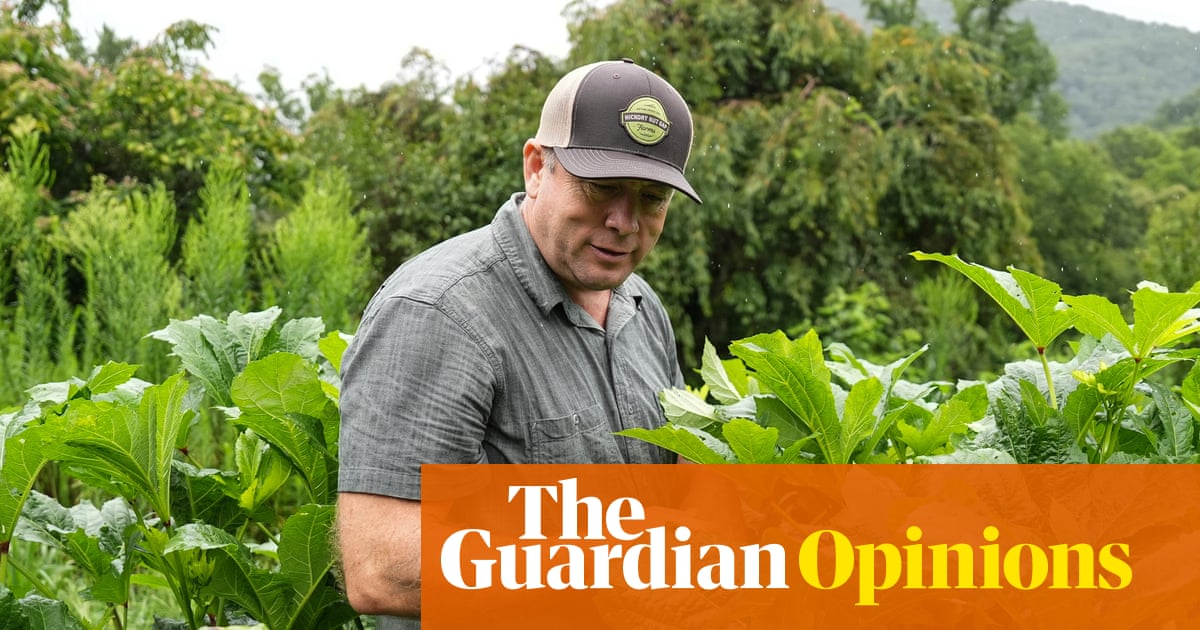
Before stepping into the political arena, Jamie Ager was well-known as the owner of Hickory Nut Gap, a regenerative farm located near Asheville, North Carolina. His journey began at a grocery store meat counter in Boone, where he gained a reputation for his commitment to building a healthier food system in the region.
Over two decades, Ager’s efforts contributed significantly to enhancing land stewardship and making farming more viable economically. His dedication to agricultural practices not only benefited local ecosystems but also served the community’s needs.
A Significant Election Victory
In a recent significant political shift, Ager won the House seat for North Carolina’s 11th district, a territory previously held by Republicans. His victory is notable as it signals a powerful transition in voter sentiment, as he flipped a district that strongly supported Donald Trump in the 2024 election.
This election showcased a broader trend, with Democrats making considerable gains in traditionally Republican-dominated rural areas. They effectively addressed the concerns of rural constituents, successfully narrowing Trump’s previously vast lead.
Democrats’ Rural Engagement Strategy
As seen in various races across states like Kansas, Mississippi, and Iowa, Democratic candidates focused heavily on economic issues that resonate with rural voters. Candidates such as Adam Hamilton and Scott Colom emphasized the financial challenges faced by farmers, while others advocated for rural healthcare and educational funding.
The strategy varied by state, but themes of kitchen table economics and local concerns dominated campaign platforms. This focused approach allowed candidates to connect meaningfully with voters, leading to surprising electoral outcomes.
Engagement and Outreach Efforts
This election cycle marked a shift in how Democrats approached rural engagement. Increased efforts included local organizing and more visible presences in towns that had previously been overlooked.
For example, candidates like Rob Sand in Iowa and Abdul El-Sayed in Michigan took their campaigns directly into communities, holding town halls and engaging in conversations with diverse groups of voters. Their grassroots efforts paid off, demonstrating that listening to constituents and addressing local issues can yield positive electoral results.
Looking Forward: Implications of the Election Results
The Democratic Congressional Campaign Committee’s introduction of a rural engagement program underscores the importance of focusing on rural issues. Grassroots organizations played a crucial role in mobilizing both their base and swing voters, contributing to the overall success of candidates.
As the political landscape evolves, the recent successes in rural areas could represent a shift in how parties engage with working-class voters. “The Democrats have been given the keys by the American people. It’s time to drive the car to a better place,” stated Corbin Trent, a media strategist and former communications director for Alexandria Ocasio-Cortez.
