


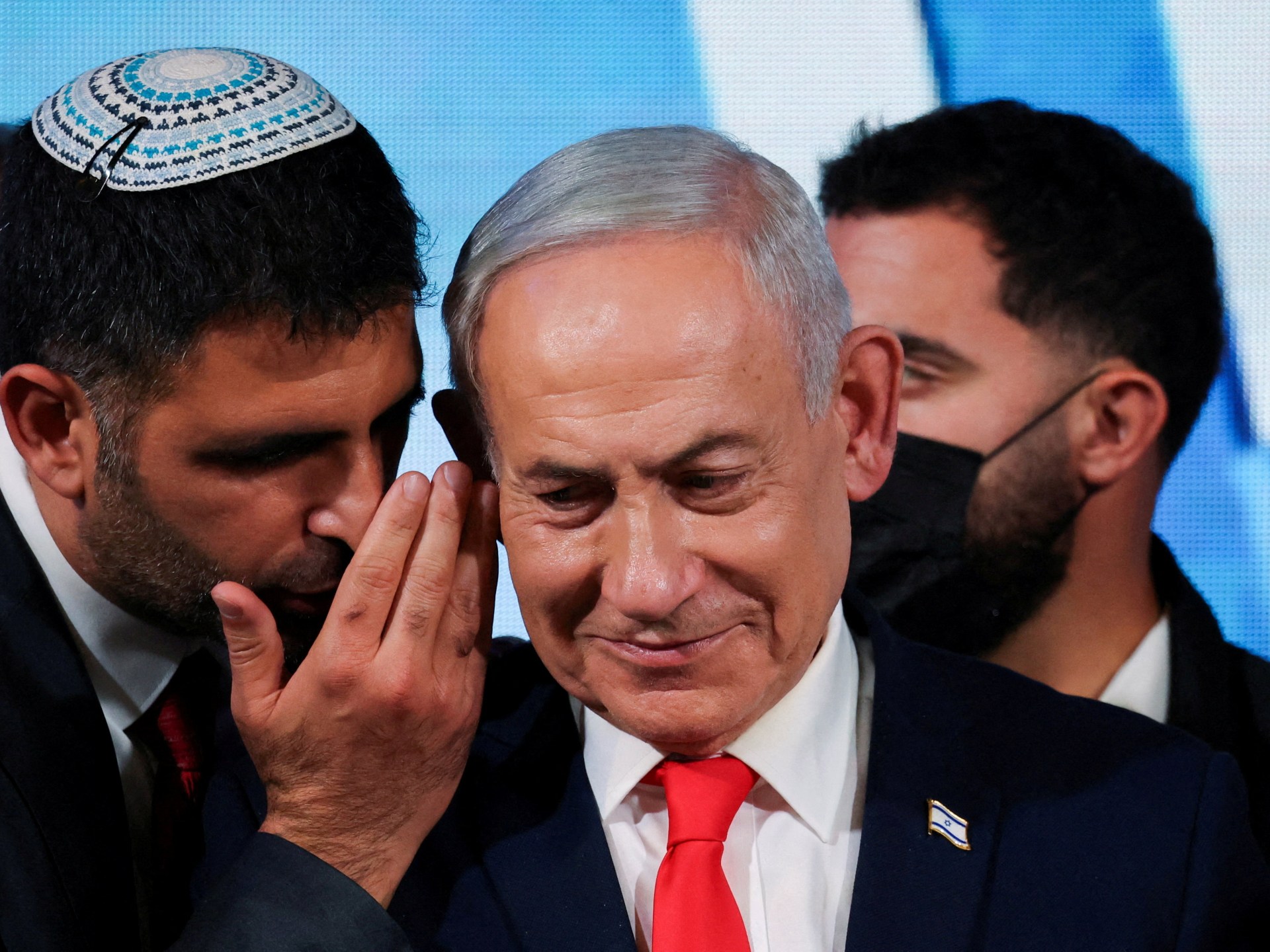
Shifting Dynamics: Israel’s Political Landscape and US Relations
Prime Minister Benjamin Netanyahu has historically positioned himself as a pivotal figure in fostering strong relations with the United States, regarded as Israel’s most significant ally. His security-oriented policies received notable endorsement during the recent parliamentary elections from former President Donald Trump, particularly amid a military conflict against Iran.
US Midterm Elections: A Turning Point
The recent US midterm elections exhibited significant setbacks for Trump’s Republican Party, prompting discussions around the implications for US-Israel relations. Notably, US Vice President JD Vance emphasized these connections when analyzing the Republican’s electoral performance.
Concerns in Israel Over US Support
The outcome of the recent political developments has left many Israelis questioning the reliability of unwavering support from the United States. Opposition leaders are attributing the shifting sentiment towards Netanyahu’s administration, with calls for accountability growing stronger.
Opposition Voices Weigh In
Yair Lapid, a former prime minister and leader of one of the opposition blocs, expressed concerns on social media regarding US attitudes towards Israel. He stated that American voters are not opposed to Israel itself, but rather to Netanyahu’s leadership and the associated issues, including “extremist ministers” and settler violence.
Additionally, Avigdor Lieberman, another opposition figure, pointed out a potential quid pro quo regarding military aid. He highlighted Trump’s declaration on election day, which suggested that US military assistance to Israel could end, possibly in exchange for Netanyahu’s prior endorsement.
Financial Implications for Israel
Ahron Bregman, an expert in security studies at King’s College London, noted the financial ramifications of decreased support. With Israel’s defense budget already constituting a substantial portion of its GDP, the loss of approximately $3.8 billion in annual military aid could necessitate increased spending, impacting the Israeli populace directly.
The Recent Election Results
The parliamentary elections held on October 27 left Netanyahu’s right-wing coalition with 53 seats, falling short of the 61 required to secure a government. In contrast, the opposition bloc, spearheaded by former Israeli army Chief of Staff Gadi Eisenkot, garnered 48 seats. Additionally, the Arab-led parties—comprising the United Arab List (Ra’am) and the Joint List—hold 19 seats and have pledged support to Eisenkot.
The Path Forward for Israel
The Israeli President, Isaac Herzog, is set to designate a candidate to form a government; however, a definitive selection has yet to be made. Noteworthy is the recent decision by United Torah Judaism, a long-standing ally of Netanyahu, to refrain from endorsing him or any other candidate, complicating Netanyahu’s efforts to establish a governing coalition.
Future of US-Israel Relations
While Eisenkot’s potential ascension to prime minister may signal a new era in Israel’s governance, experts remain skeptical about reversing Israel’s declining reputation in the United States. A Pew Research Center poll from April indicated a significant negative perception towards Israel among Americans, paralleling sentiments about Netanyahu himself.
Pollster Shibley Telhami reported, “Most Americans would not change their view of Israel, even if there is a new government without Netanyahu.” He suggests that any Israeli administration would face an uphill battle in mending relations with the American public.
Political scientist Dov Waxman remarked on the growing divide within bipartisan support for Israel, linking it to the ongoing conflicts, such as the war against Iran and the situation in Gaza. Waxman noted that this fracture could lead to a more contentious domestic discourse regarding US policy towards Israel.
While a leadership change in Israel may offer a temporary boost to diplomatic relations, substantial changes in Israeli policy towards Palestinians, particularly in the West Bank and Gaza, will be essential for long-term improvement in American perceptions, as emphasized by Waxman.
