


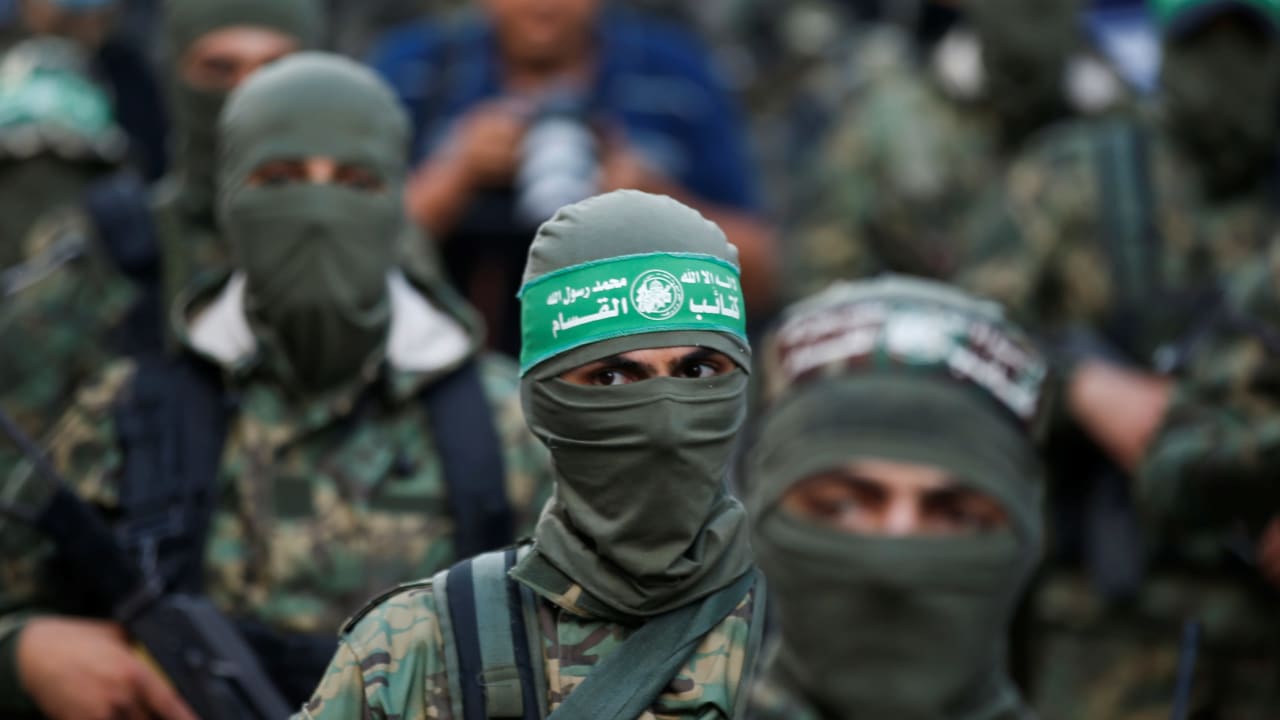
Hamas Leaders Consult on Counteractions Following Israeli Targeted Strikes
In light of escalating tensions, Khalil al-Hayya, a prominent leader of Hamas, announced that the organization is in discussions with other Palestinian groups regarding possible responses to recent Israeli targeted killings of high-ranking Hamas officials in the Gaza Strip.
Concerns Over Targeted Killings
Al-Hayya expressed grave concerns over what he termed an “unacceptable equation” of ongoing violence combined with a military siege. “The equation of continued killing and siege under an agreement is unacceptable to us. We are holding discussions with the other Palestinian factions on how to respond to the daily killings directed against us,” he stated.
Recent Casualties
The Israeli military has confirmed the killing of several key figures within Hamas. Among them was Abu Nada, who led Hamas’s Economic Department and served as its education minister. He was implicated in overseeing the organization’s financial networks and redirecting funds toward military operations.
Most recently, Muhammad Majed Abu al-Ouf, who was responsible for Hamas’s internal security apparatus in northern Gaza, was killed. The military reported his involvement in restoring operational capabilities and executing dissenting Palestinians under Hamas’s rule.
These strikes follow the earlier death of Naeem Abu Nahel, another high-ranking security official within Hamas, which provoked condemnation from the organization and appeals for international intervention to uphold ceasefire agreements.
Israeli Stance on Targeted Operations
Israeli Prime Minister Benjamin Netanyahu and Defense Minister Israel Katz reiterated their commitment to targeting Hamas’s leadership. In a joint statement, they affirmed, “No terrorist is immune, and no one in the Hamas leadership will manage to evade us.”
Ongoing Peace Efforts
These targeted killings occur amid renewed international efforts to push forward U.S. President Donald Trump’s peace initiatives for the Gaza Strip, which include disarmament proposals and the establishment of an alternative governance structure in the region.
Recently, the Board of Peace reported that Hamas and other factions have tentatively agreed on a disarmament roadmap, aimed at relinquishing arms and transitioning civilian and security responsibilities to a new Palestinian administration. However, its feasibility remains uncertain, and the board has urged both parties to uphold their commitments under the accord.