


Crypto and AI in the Midterms: Analyzing the Fallout
Introduction
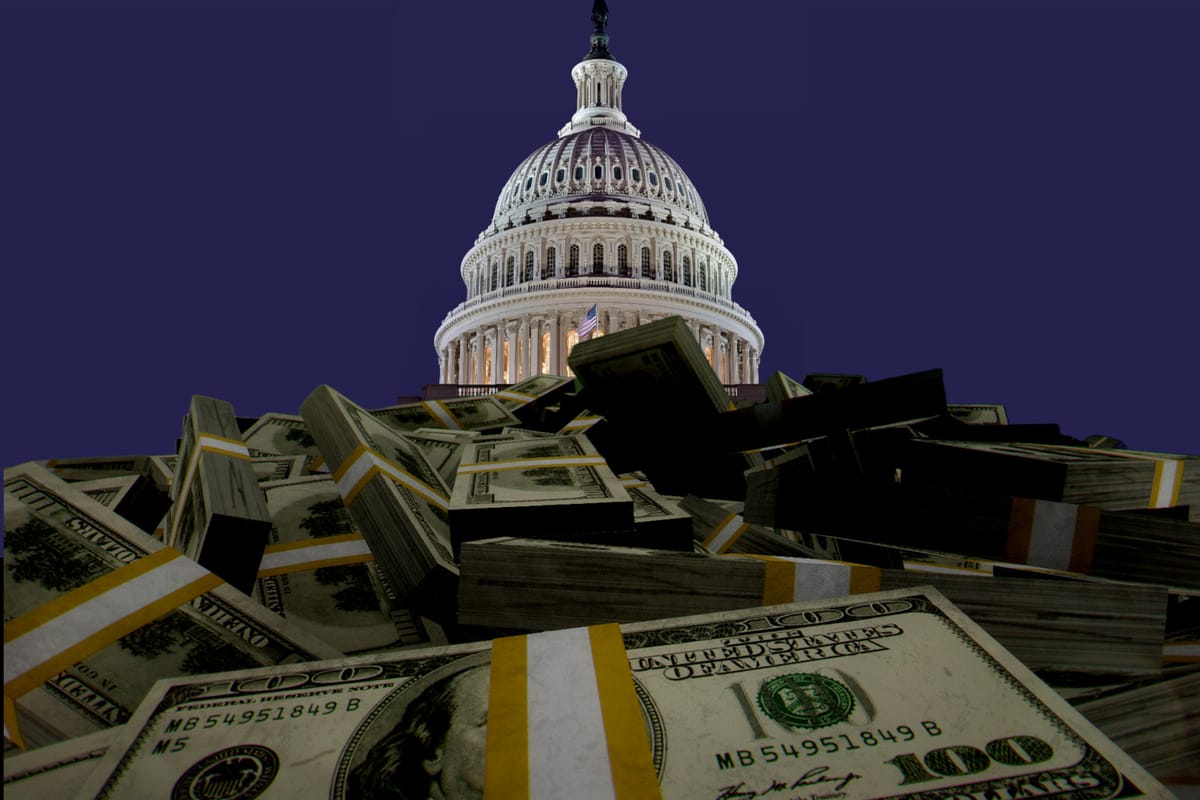
In the recent midterm elections, super PACs representing the crypto and AI industries poured approximately $250 million into supporting various congressional candidates. However, the results fell short of expectations, with many of the candidates who received financial backing from these industries ultimately losing their races.
Significant Investments, Disappointing Outcomes
The largest financial loss for the crypto sector was seen in the Ohio Senate special election to fill the seat vacated by JD Vance. Despite a hefty investment of $64 million from the Fairshake super PAC to prevent Democrat Sherrod Brown from winning, Brown emerged victorious. After his win, Fairshake’s silence highlighted their failure to control the narrative.
Evaluating the Spending Strategy
Despite claims of a 92% success rate in races supported by the crypto PACs, a deeper analysis reveals a different picture. The Fairshake PAC spent substantial funds in races with pre-determined outcomes, allowing them to boast about high success rates without significant victories in competitive races. In reality, about half of their expenditure was allocated to candidates who ultimately lost.
- Out of $154.5 million spent by crypto PACs, nearly $82 million was directed towards unsuccessful candidates.
- The strategy mostly relied on investing in races where the outcomes seemed assured, rather than supporting competitive choices.
Primary Races vs. the General Election
During primary contests, the crypto PACs found more favorable results, spending $48.5 million, with notable wins for candidates such as Barry Moore (AL) and Andy Barr (KY). However, general election outcomes painted a different story, as the PAC struggled in competitive races, with Fairshake losing three out of four major contests.
The AI Industry’s Challenge
Similarly, the AI industry’s $80 million investment faced challenges, largely due to its divided strategies and backlash against aggressive spending. The Leading the Future network, associated with prominent figures in the AI space, concentrated much of its efforts on backing candidates perceived as pro-AI. However, their expensive targeting of individuals like Alex Bores resulted in losses, raising concerns over the effectiveness of their campaign strategies.
Responses and Future Implications
The subtle maneuvers to avoid direct mention of crypto or AI in advertisements point to a recognition of potential voter resistance. While crypto advocates claimed that a significant bloc of “crypto voters” was ready to influence outcomes, the reality portrayed through ad spending suggests skepticism about the industry’s popularity.
Going forward, both industries face an uphill battle in reestablishing support within a potentially Democratic-controlled Congress, especially with key voices like Elizabeth Warren and Maxine Waters advocating for tighter regulations on these technologies.
