


Potential Resurgence of U.S.-China Trade Tensions in 2027
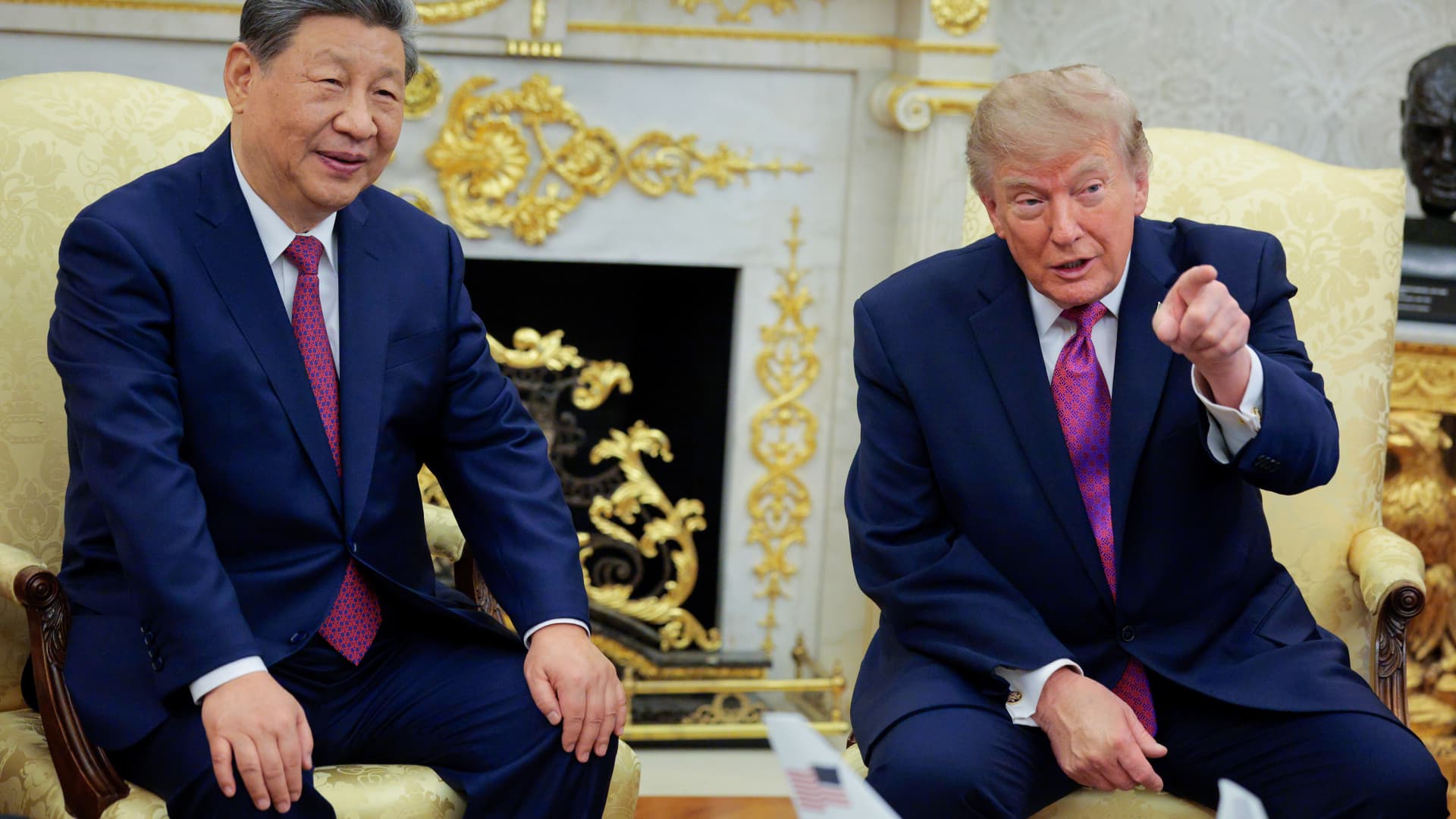
As concerns about trade relations between the United States and China resurface, experts suggest that a Democrat-controlled Congress may take steps to tighten export controls, especially regarding semiconductor technologies. This development occurs in anticipation of an important meeting scheduled for Thursday between U.S. President Donald Trump and Chinese President Xi Jinping.
Implications of the Huang Scandal
The controversy surrounding former Nvidia CEO Jensen Huang, linked to allegations involving an individual reportedly investigated by U.S. intelligence as a potential Chinese spy, has sparked calls for stricter restrictions on technology exports. In response, the U.S. Commerce Department has initiated measures to close a loophole that enabled Chinese firms to gain access to Nvidia’s advanced computing capabilities through third-party data centers.
Despite these developments, Beijing has not yet publicly commented on the U.S. actions leading up to the upcoming Trump-Xi meeting.
Current State of U.S.-China Relations
Though tensions have heightened with the Huang scandal, analysts like Vishnu Varathan from Mizuho Bank emphasize that this situation does not signify a drastic shift in relations. Since a trade truce was established last year during discussions at the Asia-Pacific Economic Cooperation summit, interactions between the two leaders have become more frequent, signaling a potential thaw in long-standing hostilities.
Ben Emons from Highline Asset Management noted that, while “Jensen-Gate” could introduce new challenges, it is unlikely to derail the leader-level dialogue in the immediate future. Instead, he suggests that the real risk lies in a congressional push for more stringent tech controls in the coming year.
Political Dynamics and Economic Stakes
The interplay between the Huang controversy and recent political shifts in Congress may complicate the ongoing U.S.-China trade agreement. The Democrats’ control of the legislature affords them greater influence to advocate for harsher tech export restrictions. Alicia Garcia Herrero of Natixis remarked that the political climate post-Midterms provides Congress increased leverage to challenge any perceived leniency towards China, amplifying the risks of renewed trade escalations.
Both nations are seeking economic wins amidst current pressures. China relies on its tech manufacturing sector to bolster an economy struggling with deflation, weak consumer confidence, and a tepid property market recovery, while the U.S. aims to maintain a trade truce to navigate associated cost-of-living issues following disruptions from international conflicts.
Future Considerations
Should Congress uncover substantial evidence linking the Huang allegations to state security concerns in China, this could trigger a wave of legislative actions against semiconductor sales, potentially leading to intensified trade restrictions. Chris Miller from The Fletcher School cautions that any findings of malfeasance could prompt significant regulatory responses that may not be favorable to Beijing.
Interestingly, China has refrained from approving purchases of Nvidia’s H200 chips, which unexpectedly showcases a strategic calculation that points to a reduced dependency on Nvidia compared to its need for the Chinese market.
Conclusion
As the situation develops, both nations must navigate these complex trade dynamics carefully. The outcomes from the upcoming Trump-Xi dialogue and legislative reactions in Washington will be critical in shaping the trajectory of U.S.-China relations moving into 2027 and beyond.
