


Latest Aurora Borealis Forecast
Despite the recent coronal mass ejections (CMEs) reaching Earth, NOAA predicts geomagnetic activity will remain below storm levels.
Residents in Alaska, northern Canada, and parts of the upper Midwest are positioned for optimal aurora viewing conditions.
Utilizing the night mode feature on smartphones may enhance visibility of the auroras compared to the naked eye.
The northern lights may be visible in the night sky tonight, bringing excitement to sky-watchers.
Commonly known as the aurora borealis, these spectacular lights emerge from geomagnetic storms caused by interactions between charged solar particles and the gases in Earth’s atmosphere, resulting in vibrant displays across the sky.
A series of coronal mass ejections occurred between October 11 and 13, sending large clouds of charged particles and magnetic energy toward Earth. NOAA anticipates their effects may lead to geomagnetic disturbances by Thursday, October 16.
However, current forecasts indicate that geomagnetic activity is expected to be mild, with the maximum Kp index reaching a mere 2.67, which falls within the quiet to unsettled range. This is significantly lower than the G1 or G2 storm conditions that typically drive auroral displays further south.
Nonetheless, auroras can be unpredictable; brief visible displays are still possible, particularly in regions with dark, clear skies at higher latitudes.
NOAA’s three-day outlook suggests that real-time solar-wind measurements could lead to changes in conditions during the evening.
If you’re anticipating viewing the auroras, monitor live maps and give your eyes time to adjust once you’re away from city lights.
Timing for Aurora Visibility
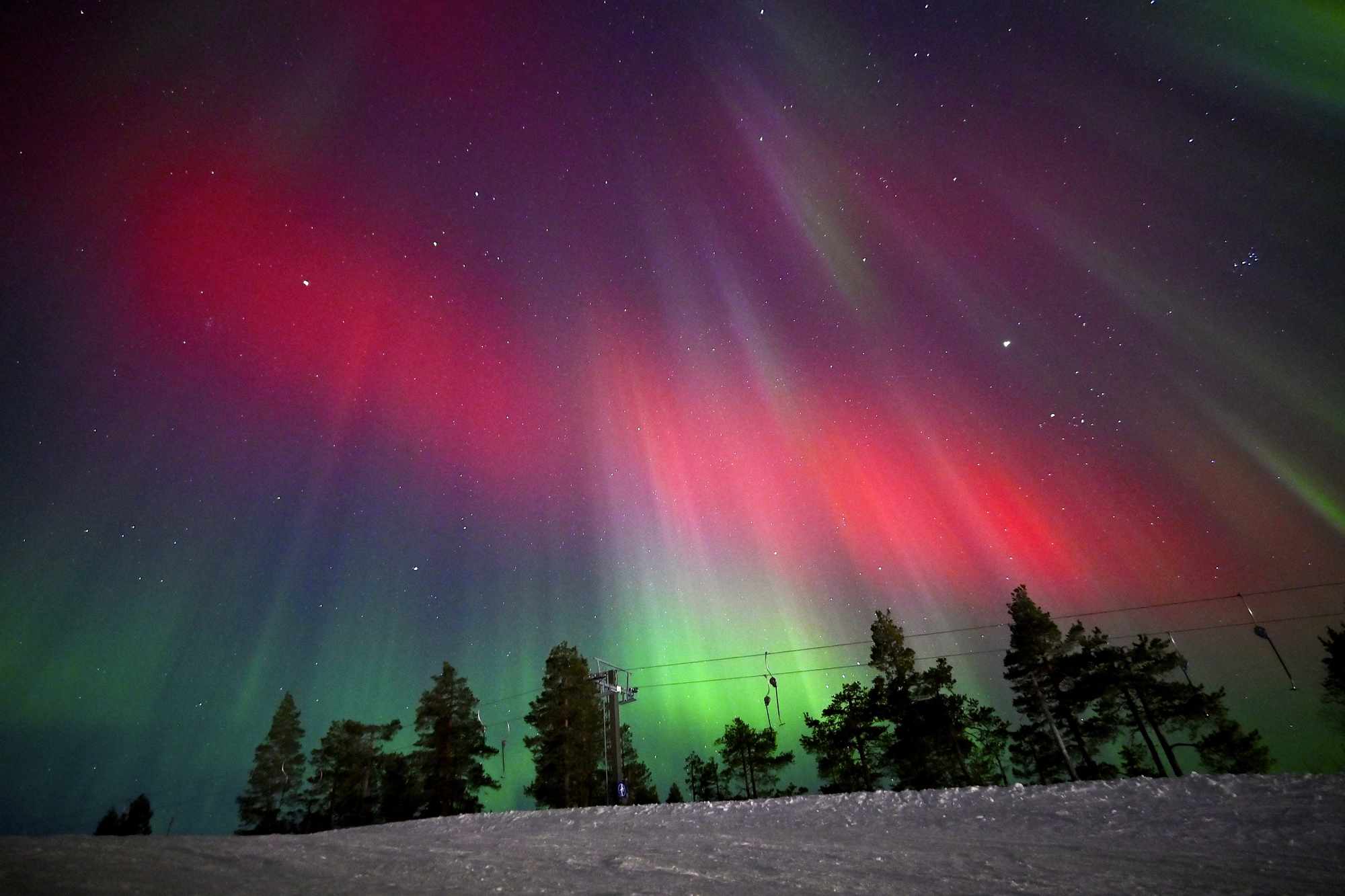
Aurora Borealis Credit: Dean Mouhtaropoulos/Getty
For potential visibility, check the skies after dark. NOAA forecasts the highest auroral activity between 11 p.m. and 2 a.m. ET. However, the absence of guaranteed sightings necessitates staying vigilant.
Optimal Locations for Aurora Viewing
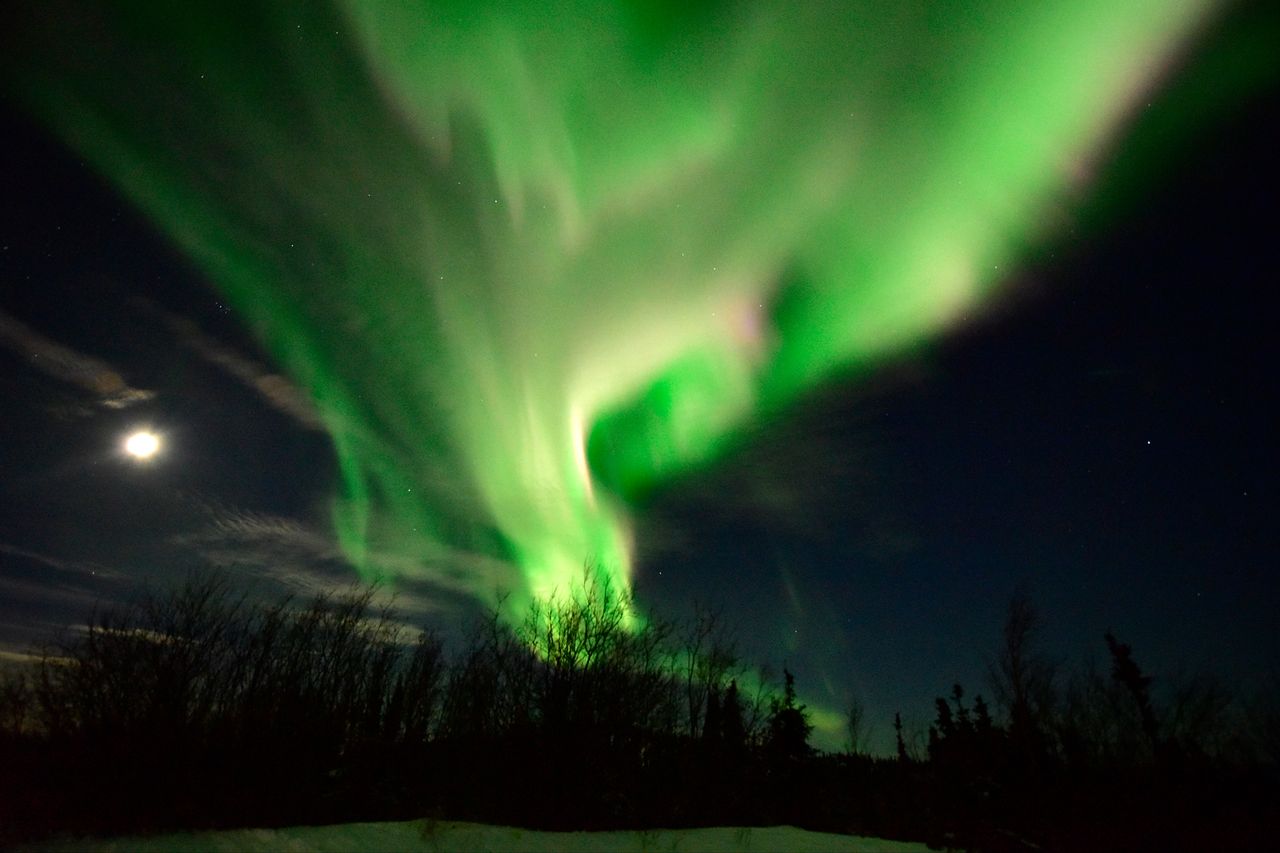
Northern Lights Credit: Lance King/Getty
The prime viewing regions for the northern lights are high northern latitudes, particularly in Alaska and northern Canada, especially under clear, dark skies.
NOAA indicates that auroras might also be observable across some northern and upper Midwest states, from New York to Idaho.
Tips for Watching the Northern Lights
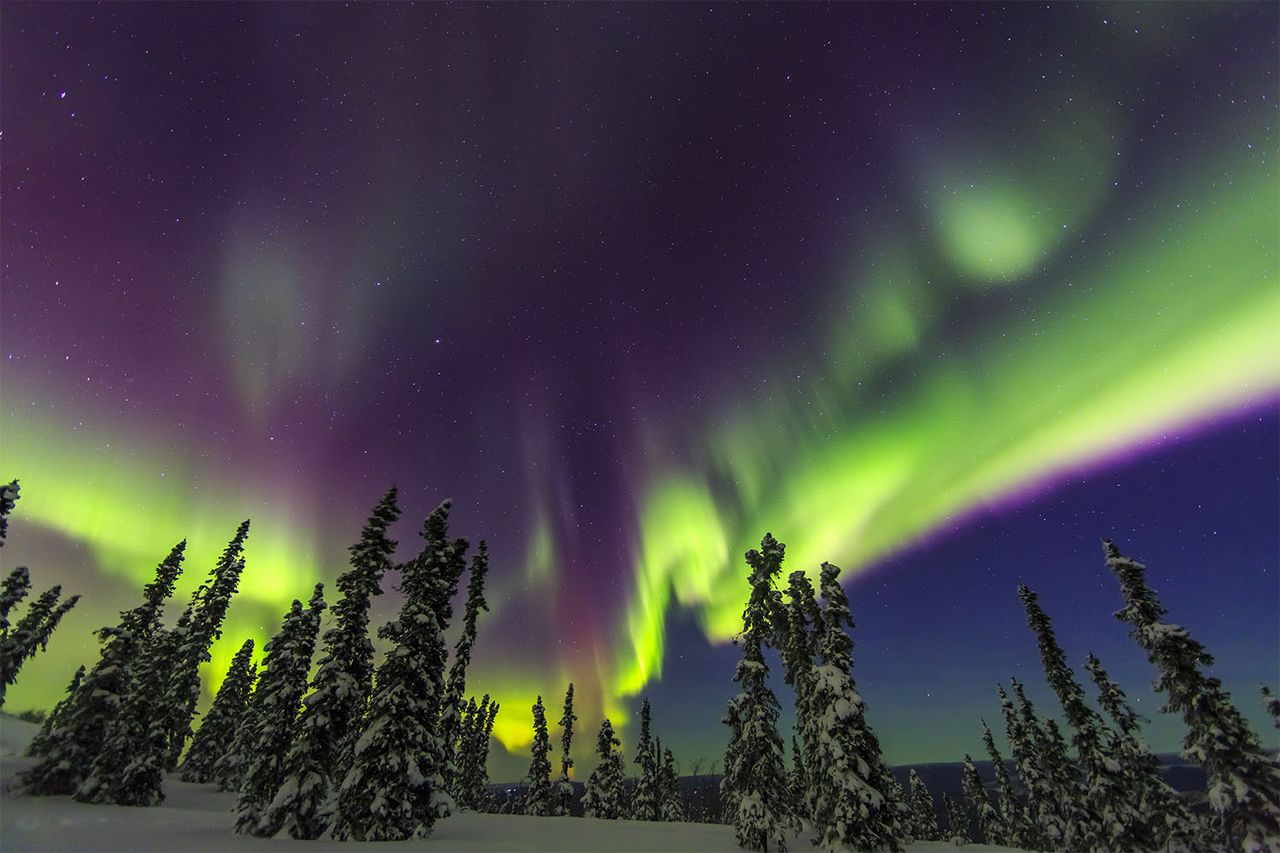
Aurora Borealis Credit: Gallo Images ROOTS Collection/Getty
To enhance your chances of seeing the auroras, it is essential to remove yourself from urban light pollution. The visibility of auroras can be quite faint, especially during milder geomagnetic events, making dark environments crucial.
Exercising patience is vital, as auroral activity can change rapidly, sometimes emerging as a subtle glow before transforming into stunning streams of light.
Stay informed about evolving real-time conditions by utilizing NOAA’s 30-minute aurora forecast or other space weather applications monitoring changes in solar wind and magnetic fields.
How to Photograph the Northern Lights
Your smartphone camera may actually capture auroras more effectively than the naked eye during weaker geomagnetic storms.
For capturing these dazzling lights, switch your device to night mode or long exposure settings, and maintain a steady hold—preferably using a tripod or propping the camera against a stable surface. Long exposure times can produce the best images of the auroras.
Simply navigate to your camera settings and select the “night mode” option or equivalent “pro mode” for extended exposure times.
For more information, visit NOAA’s official site.
