


Judge Moves Forward with Inquiry into DOJ Lawyers in Golf Course Case
Background of the Case
A recent court ruling has ignited discussions surrounding the involvement of Department of Justice (DOJ) lawyers in an ongoing dispute regarding a golf course in Washington D.C. The inquiry was prompted by revelations during court proceedings, where tensions escalated between the judge and the DOJ lawyer present.
Contentious Courtroom Dynamics
During a heated session, the presiding judge expressed frustration when a DOJ attorney referenced the concept of “presumption of regularity.” This principle suggests that government actions are assumed to be based on valid processes unless proven otherwise. The courtroom atmosphere intensified when the judge instructed attendees to raise their hands, a measure reflecting the palpable tension in the room.
Implications of the Judge’s Decision
The judge’s firm stance on proceeding with the inquiry raises significant implications not only for the involved parties but also for the broader context of governmental accountability. The actions of the DOJ lawyers are under scrutiny, and the outcome may have lasting effects on how such cases are handled moving forward.
Public Reaction and Future Developments
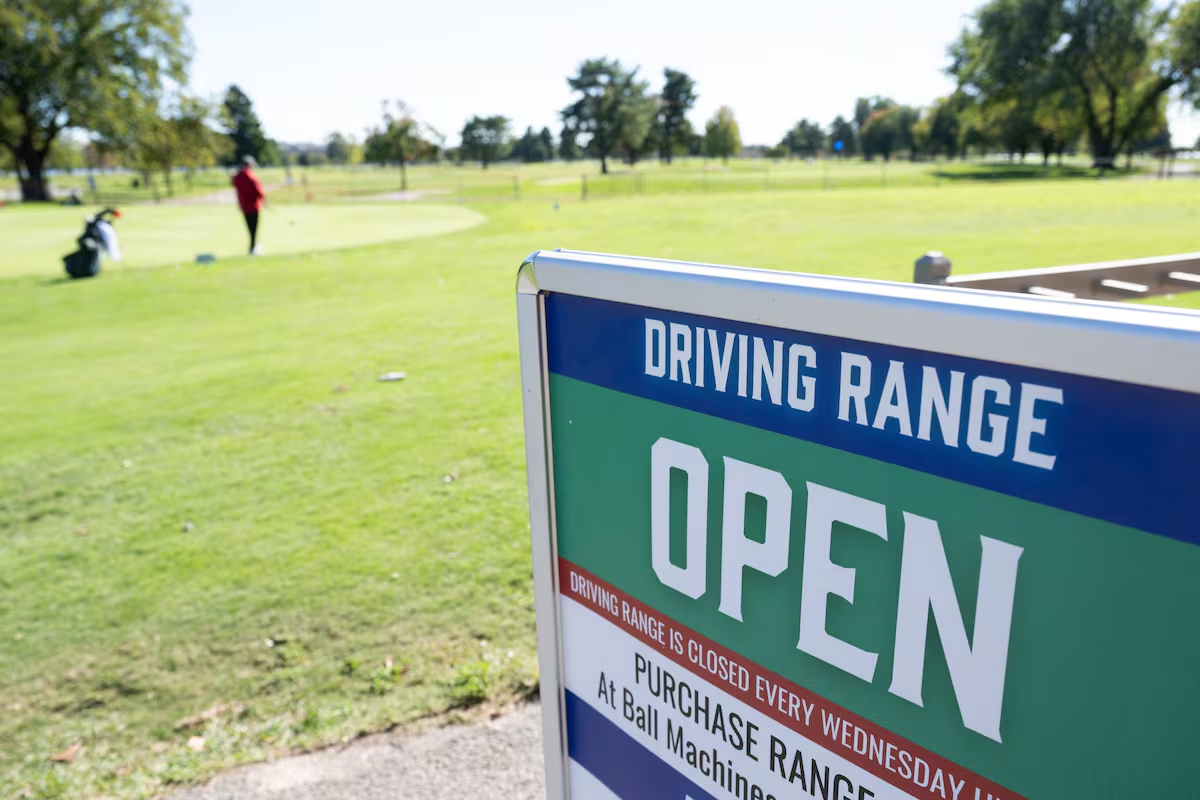
As the case progresses, public interest remains high, especially among those who frequent the golf course central to the dispute. Additionally, a notable figure, former President Donald Trump, recently commented on the course’s deteriorating conditions, emphasizing the need for improvements just days before scheduled renovations begin.
Park Closure and Other Developments
In a related civic matter, the government has announced the closure of a beloved park in D.C., with pending decisions from the judiciary that may intervene in this controversial decision. The community remains engaged, awaiting judgments that could influence both local recreation and legal proceedings surrounding municipal operations.
Conclusion
The developments in the golf course case, combined with the potential closure of a public park, signal a crucial period for both community engagement and legal scrutiny in Washington D.C. Stakeholders will be closely monitoring the outcomes of the inquiries and improvements, which will undoubtedly shape future interactions between local authorities and the public.
