


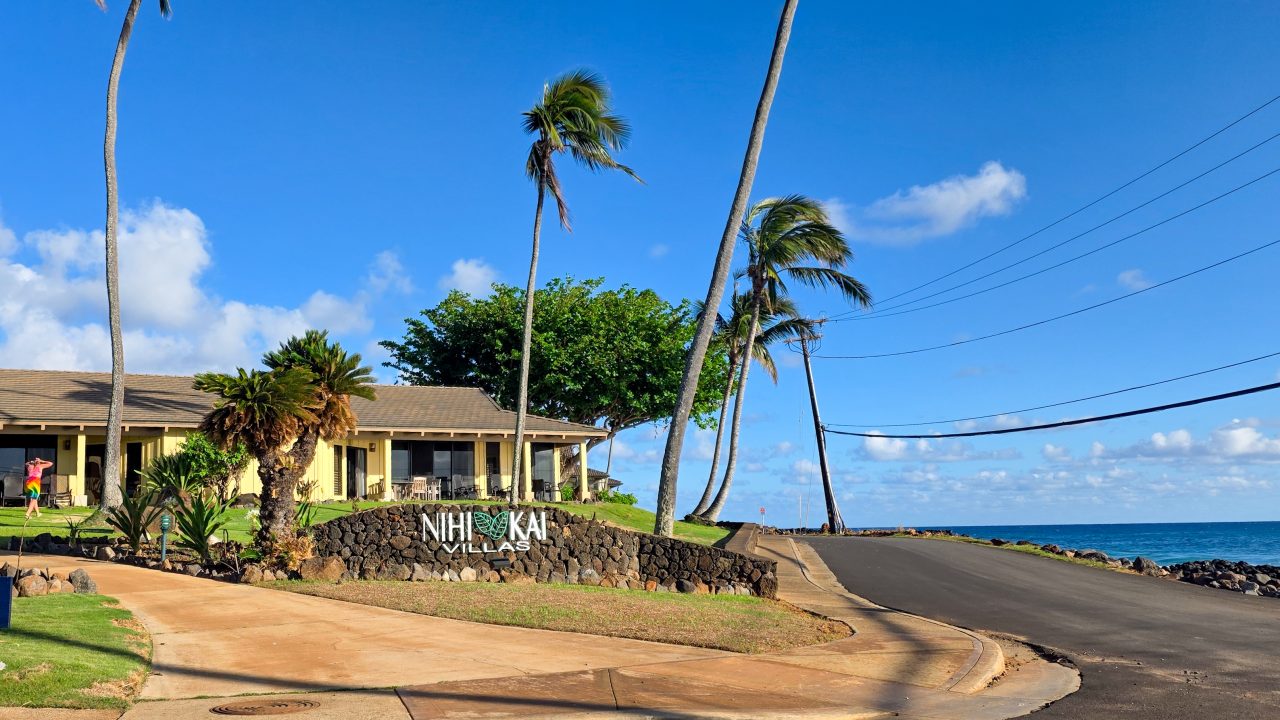
Nihi Kai Villas Under Investigation for Legionnaires’ Disease
The recent Legionnaires’ disease investigation at Nihi Kai Villas in Poipu has raised serious concerns after two visitors were diagnosed with a severe pneumonia linked to the condominium resort’s water systems. This troubling news resonates personally with Beat of Hawaii’s editor, Jeff, who has a long history with this property.
Background of the Investigation
On November 4, the Hawaii Department of Health (DOH) announced an investigation following positive water tests indicating the presence of Legionella bacteria. This announcement raised alarms about the potential risks to both guests and residents. The source of the infections at Nihi Kai Villas remains under inquiry, and specific details regarding affected areas and corrective measures have yet to be disclosed.
A Personal Connection to Nihi Kai Villas
Jeff’s connection with Nihi Kai Villas dates back to the 1990s when he owned a unit there following the devastating Hurricane Iniki. He experienced first-hand the challenges of condominium ownership, including significant special assessments for infrastructure improvements, such as a new septic system. Despite these hardships, he has fond memories of the property, which he has often revisited over the years.
Notably, Nihi Kai Villas underwent a major renovation in 2021, including a $4.8 million investment to enhance the exterior, though these improvements do not directly address concerns related to the current investigation into its water systems.
Findings from the Health Department
Confirmed cases of Legionnaires’ disease were reported in visitors from outside Hawaii who had stayed at the property. DOH received test results on October 13 indicating the presence of Legionella. This disease, which is contracted through inhaling contaminated aerosols from sources like showers or hot tubs, highlights the urgent need for awareness and caution among previous and future guests.
Nihi Kai Villas consists of eight two-story buildings with 70 individually owned units situated nearly six acres from Brennecke Beach. The specific locations of the identified bacteria remain undisclosed, creating uncertainty regarding which buildings or portions of the plumbing infrastructure may be affected.
Timeline of Events
The timeline between the water testing on October 13 and the public announcement on November 4 raises questions about communication and responses. The DOH has not confirmed when property management became aware of the test results or when remediation measures were initiated. This lack of transparency complicates the process of addressing health concerns effectively.
Potential Consequences for the Property
The situation echoes a previous Legionnaires’ disease investigation in Kauai at WorldMark Kapaa Shore Resort, where remediation led to the temporary closure of the property. While it’s uncertain what strategies will be implemented at Nihi Kai Villas, potential responses could range from localized restrictions on specific water fixtures to broader operational adjustments.
Information for Former Guests
Former guests of Nihi Kai Villas who experience respiratory symptoms after staying at the property are urged to seek medical attention. Symptoms of Legionnaires’ disease could manifest 2 to 14 days post-exposure and may include fever, cough, and difficulty breathing. Increased vigilance is particularly crucial for individuals over 50, smokers, or those with weakened immune systems.
The DOH encourages anyone who has been diagnosed with pneumonia within two weeks of staying at Nihi Kai Villas since January 2025 to contact the Hawaii Department of Health’s Disease Outbreak Control Division at 808-586-4586.
Conclusion
The Nihi Kai Villas situation serves as a critical reminder of the health risks associated with shared water systems in residential settings. As investigations continue, transparency and prompt action will be key in ensuring the safety and peace of mind for all guests and residents.
