


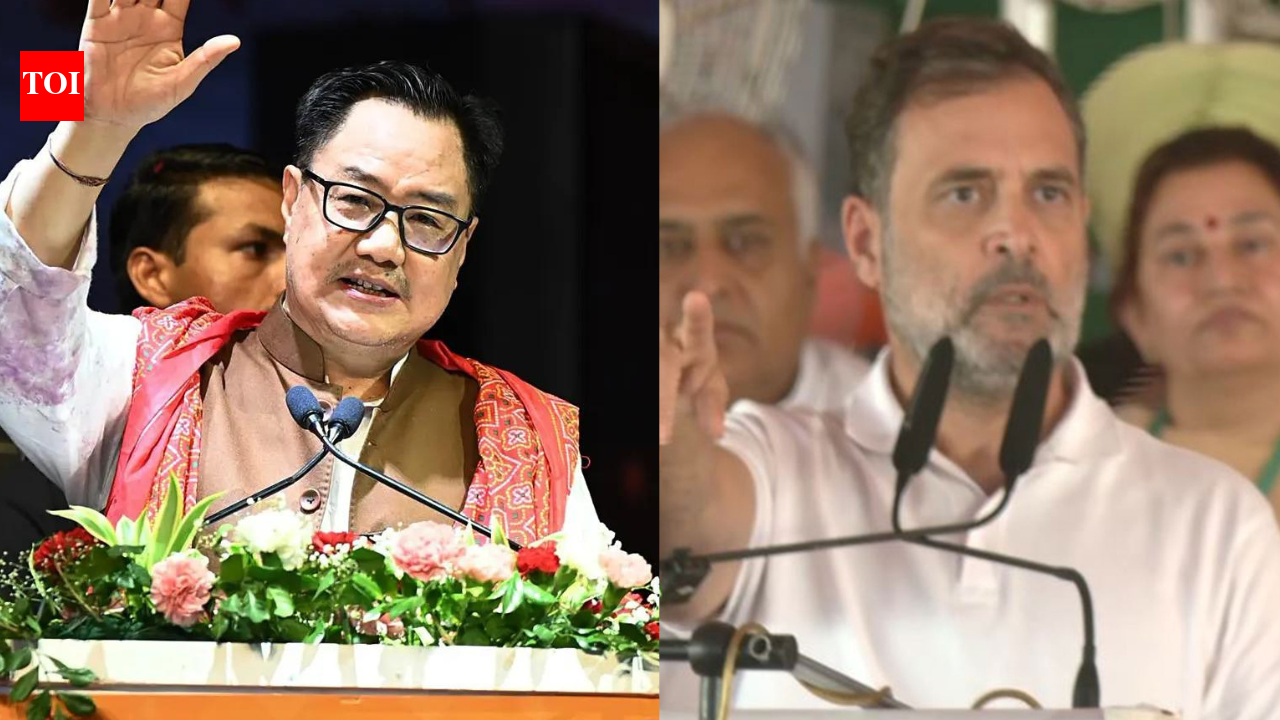
Rijiju Challenges Rahul Gandhi with Seven Recommendations for Political Success
In recent political discourse, Union Parliamentary Affairs Minister Kiren Rijiju has laid out seven essential requirements for Congress leader Rahul Gandhi, aimed at improving his party’s chances of winning more parliamentary seats in future elections. Rijiju’s comments, delivered on the platform X, reflect ongoing tensions between the ruling Bharatiya Janata Party (BJP) and the opposition Congress party.
Key Recommendations from Rijiju
- Increase Presence in India: Rijiju urged Gandhi to spend more time within the country instead of taking frequent trips abroad.
- Avoid Associations with Anti-India Elements: Gandhi was advised to distance himself from individuals and groups seen as antagonistic to national interests.
- Respect Senior Leaders: Asserting the importance of learning from experience, Rijiju emphasized the value of respecting senior political figures, which he described as an integral part of Indian tradition.
- Shift Perspective on Political Opposition: Rijiju encouraged Gandhi to view the BJP not as an enemy but as a political adversary.
- Prioritize Parliamentary Engagement: He also highlighted the necessity for Gandhi to take his parliamentary duties seriously, engaging openly in debates and discussions.
- Uphold Constitutional Values: Rijiju called for a commitment to the Constitution and a functioning Congress party that operates democratically while challenging dynastic politics.
- Foster Democratic Practices: Ensuring that the Congress party functions as a true democracy was seen as essential for its relevance.
Context of the Remarks
Rijiju’s advice came in the context of an ongoing political rivalry, particularly as Rahul Gandhi has recently reiterated his call for a public debate with Prime Minister Narendra Modi. Gandhi believes he can substantiate allegations against Modi regarding national security, which he describes as actions detrimental to the country.
In response, Union Finance Minister Nirmala Sitharaman remarked that Parliament serves as an appropriate platform for such debates, challenging Gandhi to engage directly in that space instead of through social media.
Congress Leadership Response
In the wake of these discussions, Congress President Mallikarjun Kharge supported Gandhi’s challenge, indicating that the prime minister should answer queries related to accusations of vote manipulation. Kharge criticized Modi for not attending Parliament or holding press conferences, contending that it was time for him to face questions from opposition leaders.
Continued Political Discourse
The political environment remains charged, with accusations from both sides regarding the effectiveness and integrity of leadership. Rijiju’s and Kharge’s contrasting perspectives underscore the ongoing debates about political accountability, representation, and governance in India.
Conclusion
As the political landscape continues to evolve, the effectiveness of Rijiju’s recommendations and Gandhi’s responses within parliamentary frameworks could significantly influence future electoral outcomes. The emphasis on respectful engagement and adherence to democratic values highlights the broader issues facing Indian politics today.
