


California Conservation Corps Prepares for Flooding Threats
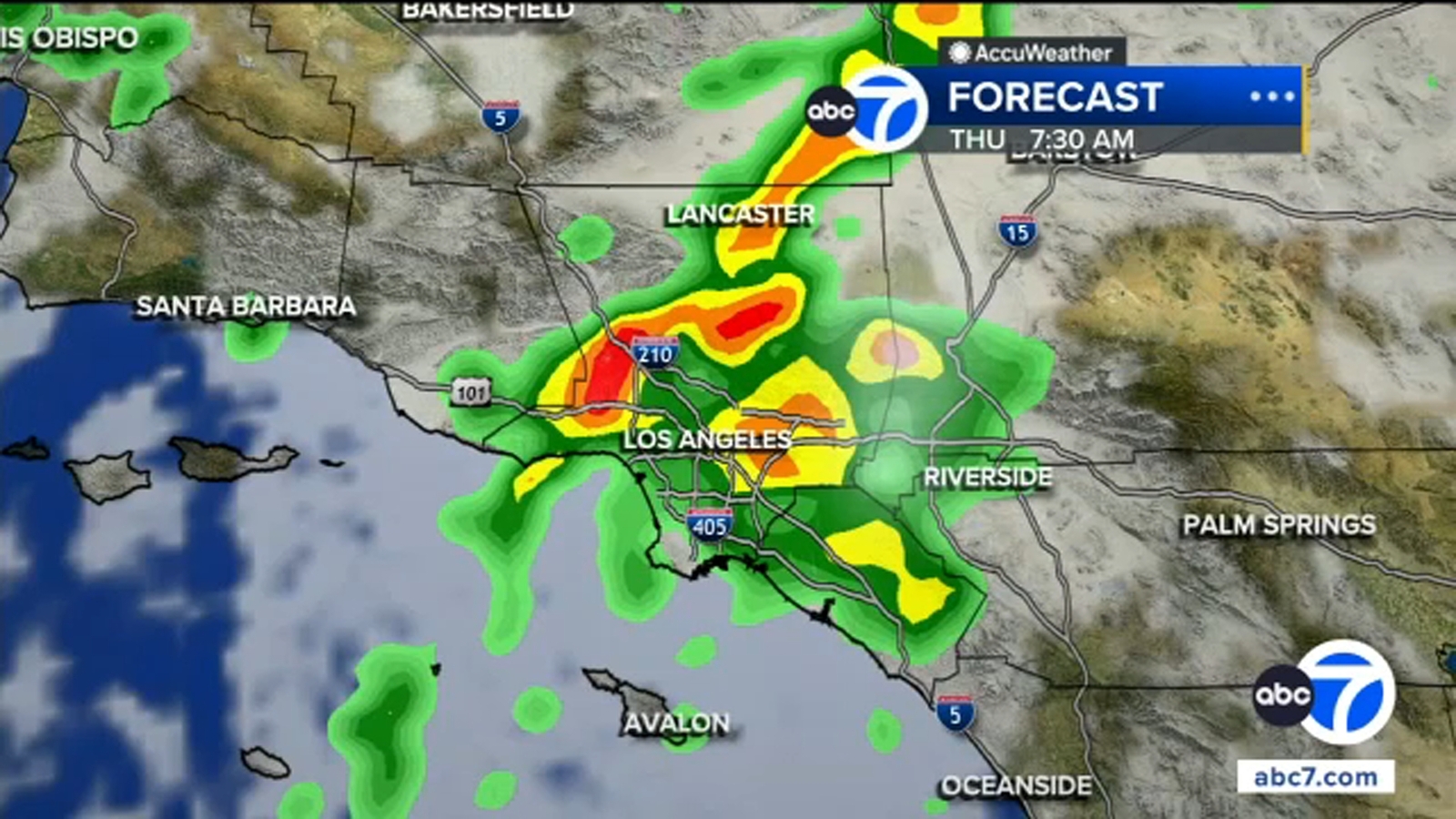
In response to the anticipated arrival of heavy rain and high tides, the California Conservation Corps (CCC) conducted training exercises designed to address potential flooding challenges in Southern California. As evacuation warnings are issued for specific areas, the corps is gearing up to provide assistance wherever it may be required.
Training for Flood Response
Members of the California Conservation Corps from the Los Angeles and Pomona branches participated in flood preparedness drills at Dockweiler State Beach. The training covered essential flood control techniques, including:
- Placing sheets of plastic to mitigate erosion.
- Creating boil sack rings for repairing holes.
- Filling and passing sandbags effectively.
- Constructing muscle walls for additional flood protection.
This hands-on training aims to ensure that the crew is ready to deploy rapidly in the event of severe flooding.
Impact of Severe Weather Alerts
Evacuation notices are set to commence in the Palisades, Hurst, and Sunset burn scar areas as officials emphasize the dangerous potential for flooding. The CCC’s readiness is essential, as Chris Van Horne stated, “We’ve responded to every major El Niño flooding event in the last 50 years.” He noted that teams from Southern California are prepared to assist in areas like the Central Valley and Northern California, focusing on shoring up levees and protecting communities from expected floodwaters.
State Preparations and Funding
In September, Governor Gavin Newsom issued a proclamation to initiate preparations for the projected heavy rains of the upcoming winter season. This declaration resulted in allocated funding that allowed the California Conservation Corps to expedite their training schedule.
Best Practices for Sandbag Deployment
During the training sessions, corps members were instructed on the proper techniques for sandbag filling. It is crucial that each sandbag is only filled halfway, as overfilling can result in bags that are too heavy to move effectively once they become waterlogged. Each bag should contain about three to four scoops of sand to ensure optimal handling during emergencies.
Conclusion
The California Conservation Corps is priming its resources and personnel as it navigates the uncertainties posed by climatic fluctuations and potential flooding. Their proactive approach highlights the importance of community preparedness in the face of natural disasters.
