



The Hidden Costs of Meetings: An In-Depth Analysis
Meetings have long been a topic of contention in the workplace, often associated with wasted time and resources. The adage “this meeting could have been an email” reflects a widespread sentiment that meetings frequently fail to justify their presence. However, a recent survey highlights an even more pressing issue: the economic impact of these meetings.
Understanding Meeting Dynamics
A survey conducted with over 9,000 U.S. employees provides comprehensive insights into the frequency and duration of meetings across different industries. This data reveals significant trends regarding how various demographics engage with meetings, including distinctions by job rank, age, gender, and educational background.
Meeting Time Allocation
Managers, unsurprisingly, dedicate a considerably larger portion of their time to meetings compared to non-managers. The shift towards remote work in the post-pandemic landscape has also resulted in a notable increase in online meetings, further altering how time is spent.
Data indicates that demographic factors influence time spent in meetings. Men, older workers, and individuals with a college degree tend to have more meeting engagement, which aligns with the managerial position often held by these groups.
Sector-Specific Meeting Trends
A closer look at the average number of meetings held weekly, as well as the total hours spent in these gatherings, reveals some surprising sector-specific dynamics:
- Finance and IT: These sectors report the highest number of meetings weekly, suggesting a culture rife with discussions that may not lead to actionable results.
- Public Administration: Contrary to expectations, employees in public service reported fewer meetings than those in finance or IT.
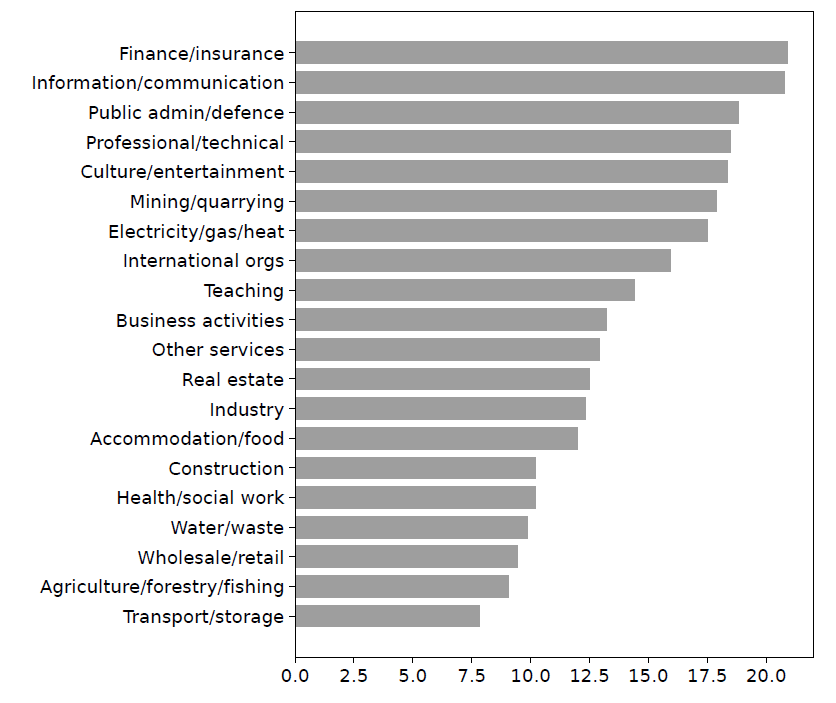
- Retail: Meetings account for a smaller portion of work, with only 10% of the wage bill attributed to attendees, contrasting sharply with the 20% found in finance and IT industries.
The Financial Implications of Meetings
One of the most startling findings from the research is the financial cost of meetings. In industries such as finance and IT, meetings consume a substantial portion of salaries—up to 20% of the total wage bill. In comparison, retail allocates only about 10% to meeting time.
This disparity raises critical questions about productivity and efficiency in administrative practices. The financial burden associated with excessive meetings underscores a need for companies to reevaluate their structures:
- Can the frequency of meetings be reduced?
- Is it feasible to consolidate topics into fewer, more effective sessions?
- How can organizations enhance meeting productivity to avoid unnecessary costs?
Conclusion
The collective insights from the survey suggest a dire need for organizations to critically assess their meeting practices. Given the significant time and financial resources squandered in what often become unproductive gatherings, it is imperative that management strategies evolve to foster more effective communication without burdening employees unnecessarily.
