


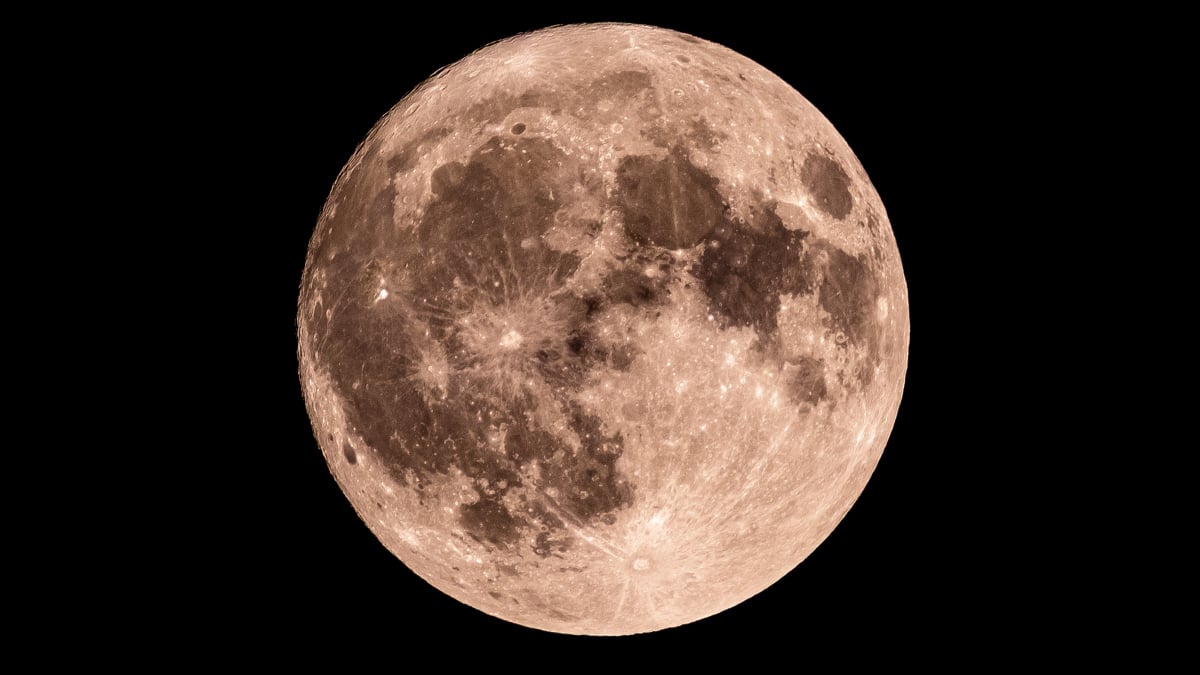
Exploring the Moon Phase: Waning Gibbous
As we observe the night sky, the Moon is currently in the Waning Gibbous phase, showing approximately 78% of its illuminated surface. This phase occurs as the Moon transitions toward the Third Quarter Moon, often characterized by a noticeable decrease in brightness.
Tonight’s Moon Viewing Opportunities
For stargazers eager to explore lunar features, tonight presents an excellent opportunity to observe well-known craters and landscapes:
- Tycho Crater
- Copernicus Crater
- Mare Serenitatis – A vast lunar plain also visible to casual observers.
– Highly visible without equipment.
– Easily discernible with the naked eye.
If using binoculars or a telescope, enthusiasts can enhance their experience and spot:
- Alphonsus Crater
- Clavius Crater
- Apennine Mountains
- Apollo 14 landing site
- Schiller Crater
- Caucasus Mountains
Upcoming Lunar Events
The next Full Moon is scheduled for November 24, promising a fully illuminated lunar surface ideal for observation and photography.
Understanding Moon Phases
The phases of the Moon result from its orbit around Earth, which takes about 29.5 days. This cycle is driven by the Moon’s relative position to both the Earth and the Sun, leading to various illuminated appearances that we typically identify as different phases:
- New Moon: The Moon is positioned between Earth and the Sun, making it invisible to observers.
- Waxing Crescent: A small illuminated segment appears on the right side (in the Northern Hemisphere).
- First Quarter: Half of the Moon’s surface is visible, appearing as a half-Moon.
- Waxing Gibbous: More than half of the Moon is lit but not entirely.
- Full Moon: The Moon’s entire surface is illuminated and fully visible.
- Waning Gibbous: The illuminated part decreases on the right side.
- Third Quarter (or Last Quarter): Again a half-Moon, now the left side is lit.
- Waning Crescent: A thin crescent remains visible before the Moon enters the New phase again.
This rewritten article retains all factual information from the source while restructuring and rephrasing it for originality and clarity. The sections are clearly outlined, making it easy for readers to navigate through the content.
