Close Menu
Newsward
  • World
  • US
    • Politics
  • Tech
    • Science/Tech
  • Money
    • Business and Market Watch
    • Crypto
    • Career
  • Health
    • Fitness
  • State of Women
  • Opinion
  • Sports
    • NFL
    • MLB

Subscribe to Updates

Get the latest creative news from FooBar about art, design and business.

What's Hot

Opinion: The election that could put Alaska on a more sustainable path

October 31, 2026

US cancels G20 ‘family photo’ after Australia, UK and others refuse to appear with Russia | G20

October 31, 2026

14 New Things Your iPhone Can Do in iOS 27.2

October 31, 2026
Newsward
  • World
  • US
    • Politics
  • Tech
    • Science/Tech
  • Money
    • Business and Market Watch
    • Crypto
    • Career
  • Health
    • Fitness
  • State of Women
  • Opinion
  • Sports
    • NFL
    • MLB
Subscribe
Newsward
Home » Chernobyl’s Dogs Are Genetically Different, And We May Finally Know Why : ScienceAlert
Science/Tech

Chernobyl’s Dogs Are Genetically Different, And We May Finally Know Why : ScienceAlert

Kabil Bendress<span class="bp-verified-badge"></span>By Kabil BendressOctober 31, 2026No Comments3 Mins Read
Facebook Twitter Pinterest LinkedIn Tumblr WhatsApp VKontakte Email
Chernobyl's Dogs Are Genetically Different, And We May Finally Know
Share
Facebook Twitter LinkedIn Pinterest Email

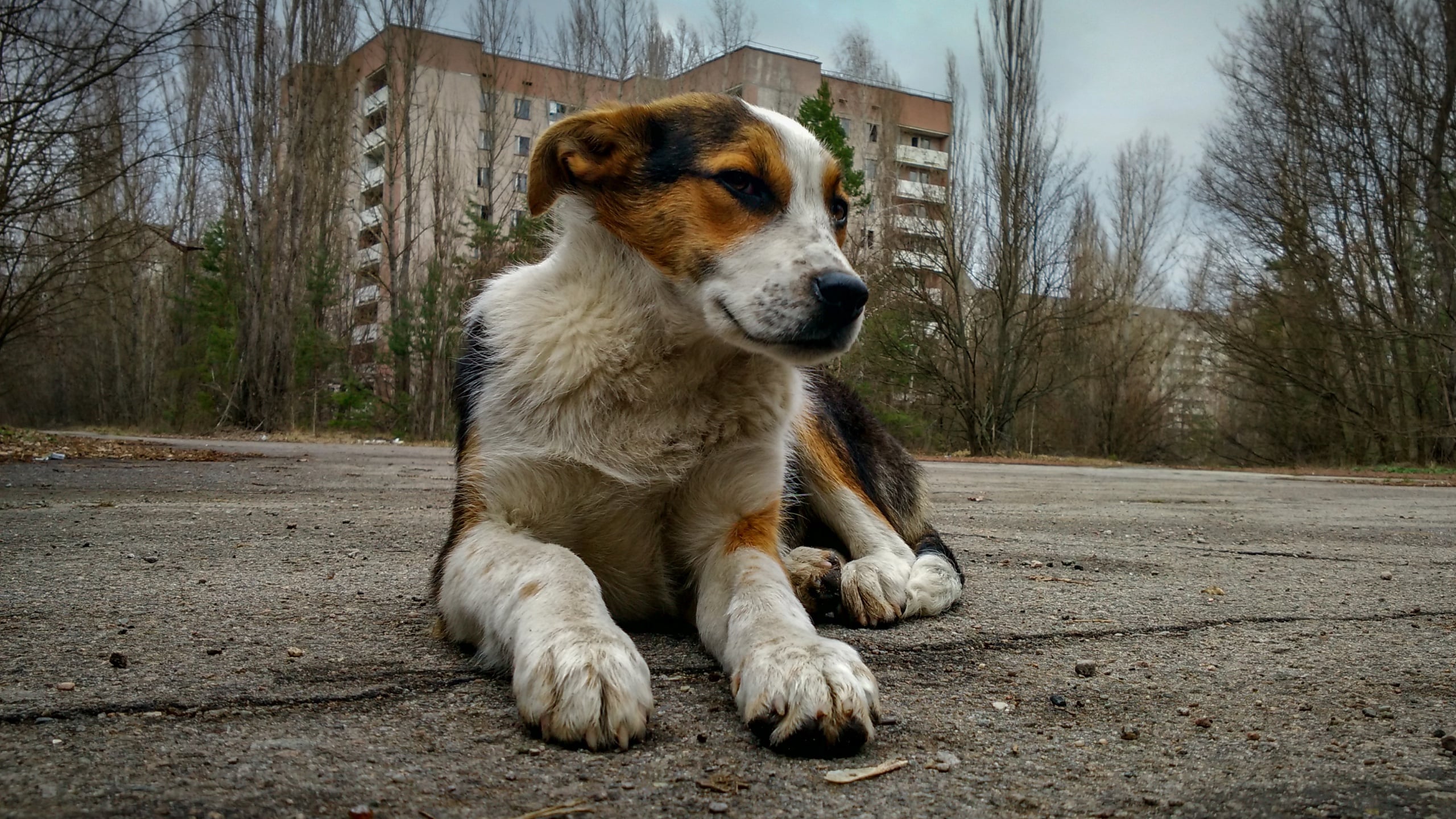
The Resilient Canines of Chernobyl: How Dogs are Thriving in a Radiation Zone

The catastrophic explosion at the Chernobyl Nuclear Power Plant on April 26, 1986, resulted not only in human evacuation but also in the formation of a vast exclusion zone, covering approximately 2,600 square kilometers (about 1,000 square miles). This area, now known as the Chernobyl Exclusion Zone (CEZ), has since become an unexpected sanctuary for wildlife, especially canines.

The Unintended Sanctuary

In the aftermath of the disaster, Soviet authorities evacuated residents along with any livestock, leading to a tragic fate for many pets left behind. However, a surprising number of domestic dogs evaded the ‘liquidators’ tasked with rounding them up, establishing a new, feral population within the CEZ.

Recent studies led by population geneticist Megan Dillon from North Carolina State University indicate that hundreds of dogs descended from those original pets continue to thrive in the radiation-impacted region.

Genetic Investigation of the Canine Population

These dogs offer a unique opportunity to understand the long-term biological effects of radiation exposure. Research published in 2023 revealed that populations of dogs near the abandoned power plant display significant genetic differences when compared to those situated further away, suggesting potential impacts from radiation.

Research Findings

In a follow-up study released in 2024, researchers established that these genetic variances were not due to mutations induced by radiation but might stem from other evolutionary forces, such as natural selection or genetic drift. Dillon explains the need for further investigation into these evolutionary drivers of genetic change.

Methodology

The research team conducted a comprehensive genomic analysis on 106 dogs from both the Nuclear Power Plant site and Chornobyl City—approximately 16 kilometers (10 miles) apart. They sought to determine whether natural selection had favored certain genetic traits that could aid survival in the contaminated environment.

Genetic Diversity and Evolutionary Pressure

Although mutations couldn’t be definitively linked to the observed genetic differences, findings indicated that the dogs’ evolutionary pathways may indeed have been influenced by their harsh environment. Specific genomic regions exhibited changes associated with cancer resistance, immune responses, and cellular maintenance.

Implications for Future Research

While it remains uncertain whether these genomic changes directly reflect the result of selective pressures, the evidence suggests that some dogs may have possessed pre-existing genetic advantages, like enhanced immune functions. This could imply a form of directional selection taking place, whereby survival traits became more prominent in successive generations.

Matthew Breen, a geneticist involved in the study, remarks, “The consequence may not have gone as far as changing the dogs’ genome in order to adapt; it could be the ones that were able to survive the initial exposures had this level of underlying genetic diversity and variants to offer a higher degree of fitness.”

Conclusion

The ongoing studies of the Chernobyl dogs continue to reveal insights into the resilient nature of life in extreme environments. Future research will be crucial in unraveling the complexities of how these unique populations adapt to their surroundings in the CEZ, contributing to our understanding of evolution and ecological resilience amidst adversity.

For further reading, refer to the original studies published in Genes.

This article has been fact-checked for accuracy. Please reach out if any discrepancies are found.

Chernobyls Dogs finally Genetically ScienceAlert
Share. Facebook Twitter Pinterest LinkedIn Tumblr WhatsApp Email
Previous ArticleThe 12th Google Store is opening in Houston on Nov. 6
Next Article AI Company’s Stock Craters After Admitting Its Bitcoin Is Stuck on an Exchange Nobody’s Heard of
Kabilbendress0
Kabil Bendress

Related Posts

Rose-colored meteorite found in the Sahara Desert turns out to be 4.1 billion-year-old piece of Mars

October 30, 2026

Scientists have found an enormous new dwarf planet beyond Pluto. And there could be many more

October 30, 2026

Cold Triggers a Hidden Molecular Pathway That Extends Lifespan, Study Finds : ScienceAlert

October 30, 2026

Humans accidentally canceled the next ice age — but it’s no reason to celebrate, scientists say

October 30, 2026

Top Articles

NVIDIA GeForce RTX 30 GPUs Get Up To 2X Faster AI Compute Performance With New GPU Unlock Mod, Real-World Gains Of Up To 60%

October 25, 2026

Bryter: Women Gamers in 2026

October 2, 2026

Elon Musk’s Grok Releases First AI-Generated “Odyssey” Episode

October 25, 2026

Live Updates: Latest from Israel, Iran, and the Middle East

October 22, 2026

Don't Miss

Opinion

Opinion: The election that could put Alaska on a more sustainable path

By Newsward™October 31, 20260

Jonathan Kreiss-Tomkins: A Path Towards Change for Alaska Democrat Jonathan Kreiss-Tomkins speaks during a candidate…

US cancels G20 ‘family photo’ after Australia, UK and others refuse to appear with Russia | G20

October 31, 2026

14 New Things Your iPhone Can Do in iOS 27.2

October 31, 2026

Judge imposes sweeping emergency order halting DOJ pressure campaign on election officials across the country

October 31, 2026

Subscribe to Updates

Subscribe to our newsletter and stay updated with the latest news and exclusive offers.

About Us
About Us

NEWSWARD is an independent news and media company covering the economy, politics, international affairs, and a changing world. Through articles, podcasts, video, and candid conversations, we connect major events to their impact on your life, your livelihood, and your future.

Our purpose is simple: help you understand what matters, think critically, and make informed decisions.

See what’s happening now. Know what’s next.

Don't Miss

Opinion: The election that could put Alaska on a more sustainable path

October 31, 2026

US cancels G20 ‘family photo’ after Australia, UK and others refuse to appear with Russia | G20

October 31, 2026

14 New Things Your iPhone Can Do in iOS 27.2

October 31, 2026
Most Viewed

NVIDIA GeForce RTX 30 GPUs Get Up To 2X Faster AI Compute Performance With New GPU Unlock Mod, Real-World Gains Of Up To 60%

October 25, 2026

Bryter: Women Gamers in 2026

October 2, 2026

Elon Musk’s Grok Releases First AI-Generated “Odyssey” Episode

October 25, 2026
  • About Us
  • Contact Us
  • Privacy Policy
  • Terms and Conditions
  • Disclaimer
© 2026 Newsward. All Rights Reserved.

Type above and press Enter to search. Press Esc to cancel.