


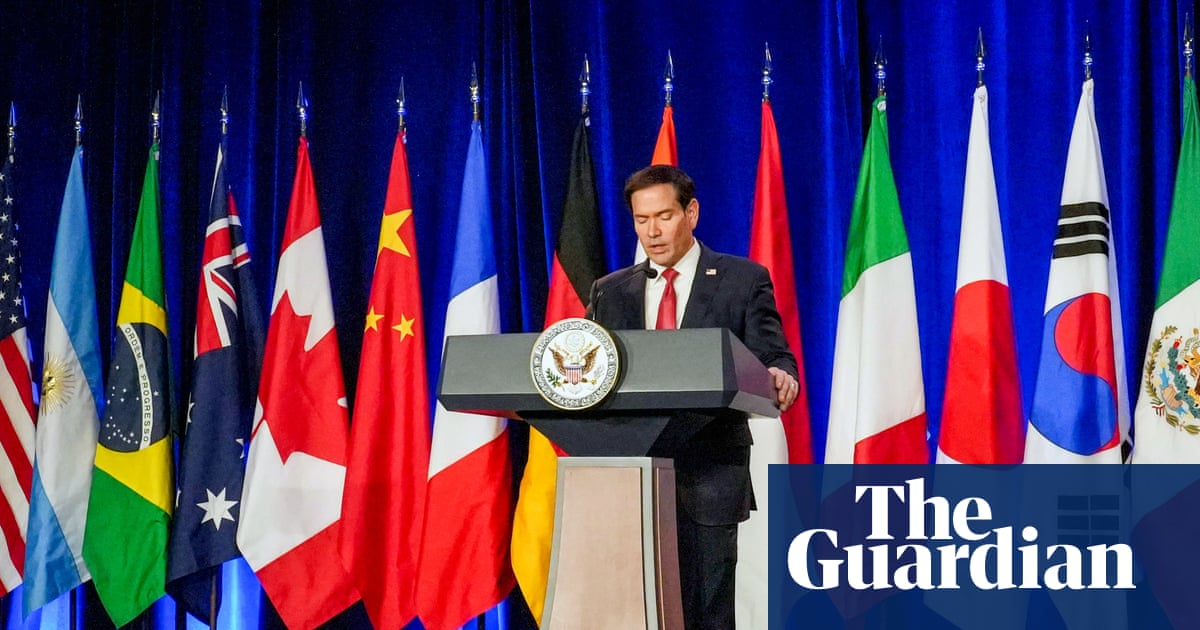
G20 Foreign Ministers’ Meeting: Tensions Rise Over Russia’s Presence
The customary family photo that typically opens the G20 foreign ministers’ gathering has been scrapped by the United States in response to objections from numerous nations, including the UK and Australia. These countries expressed their unwillingness to stand alongside Russian Foreign Minister Sergei Lavrov for the group snapshot.
Cancellation of the Family Photo
U.S. Secretary of State Marco Rubio made the decision to cancel the photo op after it became clear that multiple European officials and nations would boycott or exit the event if Lavrov were present. This move underscores the ongoing tensions surrounding Russia’s actions and its isolation from many key global players.
Opening Remarks and Call for Unity
Despite this fracture, Rubio commenced the meeting in Atlanta with a call for solidarity, emphasizing the need to address pressing issues affecting international security and trade. “We are in a critical moment,” he remarked, highlighting the interconnected economic and geopolitical crises facing the world today.
Nationwide Boycotts Against Russia
Approximately one-third of the countries present at the meeting indicated they would not participate in any photo opportunity involving Russian representatives. German Foreign Affairs Minister Johann Wadephul articulated this sentiment clearly, stating, “In no case will there be a family photo with European partners and Mr. Lavrov together because … there is no normality with Russia.” Similarly, UK Foreign Secretary Ed Miliband affirmed his country’s stance, stating, “We do not engage in that way with the Russians and have not for a number of years.”
Discussion of Ongoing Conflicts
Australian Foreign Affairs Minister Penny Wong used her platform during the initial session to condemn Russia’s invasion of Ukraine, describing it as “brutal and unjustified.” She pointed out the adverse effects of this illegal war on global markets and food security. Australia’s position, as stated by a government spokesperson, aligns with the U.S. decision to forgo the group photo, insisting on not normalizing Russia’s actions.
Continuing Divisions and Diplomatic Challenges
The discord evident at the meeting reflects the wider rift created by the Trump administration’s earlier attempts to reintegrate Russia into global discussions, despite its ongoing military actions against Ukraine. Diplomats who participated reported that discussions remained courteous, yet Russia’s rigid stance on Ukraine and its opposition to Poland’s G20 membership persisted.
Challenges in Crafting a Joint Communiqué
Given the prevailing disagreements, insiders indicated that reaching a unified statement at the conclusion of the meeting on Saturday would be challenging. Polish Deputy Prime Minister and Foreign Minister Radosław Sikorski, at the meeting for the first time as a guest, noted the complexities of negotiating amidst ongoing wars. “We have wars going on and we have participants in those wars around the table, so it’s very difficult to agree a common line,” he stated.
Skipped Invitations and Future Engagements
Importantly, Ukraine was not invited to this year’s G20 meetings after being present in previous sessions, a decision explained by U.S. officials as an effort to include only formal G20 members. Additionally, there was notable absence from the invitation list of South Africa, a founding G20 member, due to its strained relations with the Trump administration. South African international relations spokesperson Phindile Kunene emphasized that their lack of participation was not voluntary.
As the G20 foreign ministers aim to navigate these turbulent waters, their focus remains on the critical issues impacting the global economy, setting the stage for the upcoming leaders’ summit next month in Florida, hosted by President Trump.