


Navigating the Moon’s Underground: NASA’s GIMLI Program
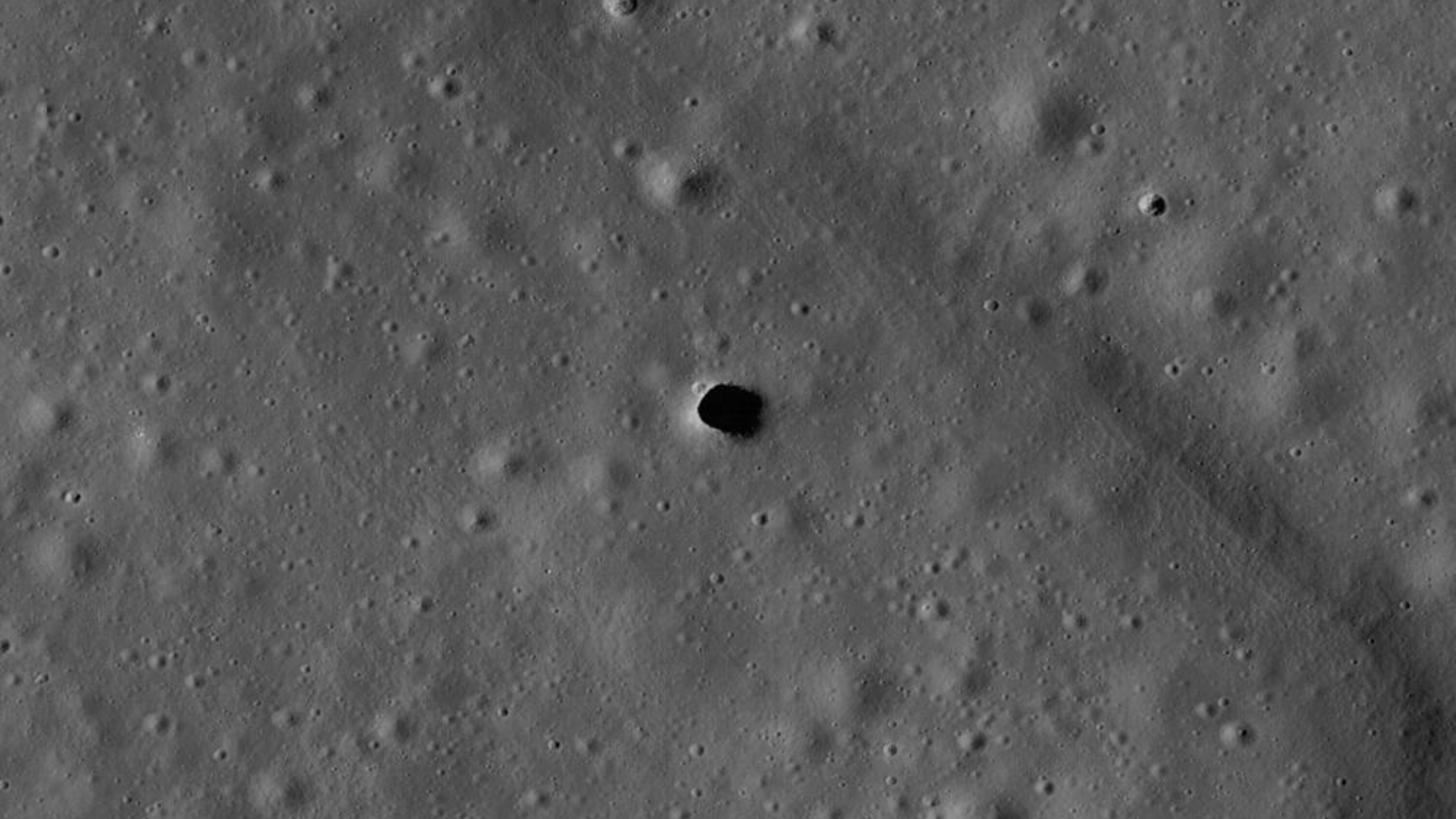
Despite being a constant presence in our night sky, the Moon remains shrouded in enigma. Among its many mysteries is the potential existence of a vast underground cavity, possibly formed by ancient lava flows, accessible from what is known as the Marius Hill Pit. In a significant initiative to explore these lunar secrets, NASA has selected the Geophysical Instruments for Marius Lunar Pit Investigation (GIMLI) program for funding and development.
Exploring the Lunar Landscape
The Marius Hill Pit, first identified in 2009 by Japan’s Kaguya lunar orbiter, serves as the focal point of the GIMLI investigation. Initial observations suggest that this pit might lead to an extensive network of underground lava tubes, which could provide vital insights into the Moon’s volcanic history.
“Confirming a substantial lava tube would give us an insight into how volcanism operated on the moon,” stated Gareth Morgan, deputy principal investigator of GIMLI.
Potential Benefits for Future Lunar Missions
The exploration of these lava tubes could reveal essential geological information, aiding scientists in understanding the Moon’s formation and volcanic activity. More importantly, if validated, these natural structures could serve as protective shelters for astronauts during future missions, offering insulation from the harsh lunar environment, which includes extreme temperature fluctuations and exposure to radiation.
Additionally, these lava tubes might function as safe havens from micrometeorites, a significant concern for human exploration of the Moon’s surface.
Mapping the Depths of the Moon
The GIMLI project will employ a range of geophysical tools to investigate the lunar subsurface. Collaborating with the nonprofit Planetary Science Institute (PSI) and Honeybee Robotics, GIMLI will utilize ground-penetrating radar, seismic sensors, and gravimeters to search for signs of these hypothesized lava tubes.
The equipment will be sent to the Moon aboard a lander and rover, as part of NASA’s Commercial Lunar Payload Services program. Once operational, this technology will enable researchers to analyze the data collected and assess the size and structure of any discovered lava tubes.
The Bigger Picture for Lunar Exploration
Nicky Fox, NASA’s associate administrator for the Science Mission Directorate, highlighted the strategic importance of this investigation:
“NASA Science is building the ultimate interplanetary survival guide to ensure that science goes first to the lunar surface to provide our future astronaut crews with the vital information, resources, and safety precautions needed ahead of time to survive the night on the moon.”
The insights gained from the GIMLI investigation will not only contribute to scientific knowledge but also pave the way for sustainable human presence on the Moon, laying the groundwork for future lunar bases near the South Pole.
