


Ancient Cretaceous Bonebed Discovered Near Arches National Park
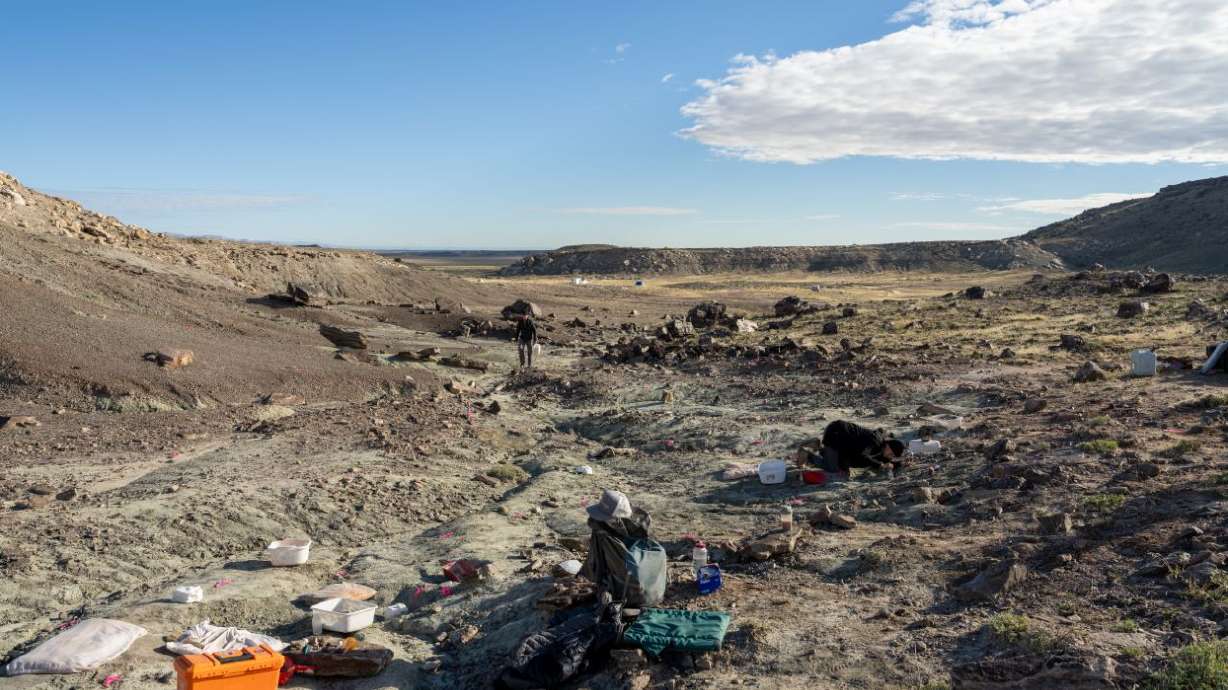
Researchers in Utah have unveiled a newly identified dinosaur excavation site located close to Arches National Park. Preliminary findings suggest that this site may represent one of the earliest known Cretaceous bonebeds in North America.
Dating the Discovery
Located east of Moab, the fossilized remains discovered at this site are believed to date back between 138 and 141 million years. This timeframe places the site in a significant geological transition period, bridging the Jurassic and Cretaceous epochs.
Potential for New Species Identification
Experts assert that the distinctive age and characteristics of the fossils found may indicate the presence of an unidentified dinosaur species. Such a discovery would not only enhance our understanding of biodiversity during this era but would also contribute to illuminating the evolutionary transitions occurring at the time.
Implications for Paleontological Studies
The revelations from this new site have the potential to provide critical insight into a mass extinction event that transpired as the world transitioned from the Jurassic to the Cretaceous period. This extinction had profound effects on the planet’s ecosystems and the types of dinosaurs that eventually flourished.
This excavation officially commenced in mid-October, with paleontologists hopeful about the significant findings that could emerge as they explore the depth and complexity of the site. Continued research here may pave the way for groundbreaking discoveries, enhancing our comprehension of prehistoric life.
Conclusion
The ongoing excavation near Arches National Park stands as a testament to the rich paleontological heritage of the region. As researchers delve deeper into this promising site, the potential to uncover new insights into dinosaur evolution and ancient environments becomes increasingly exciting.
