


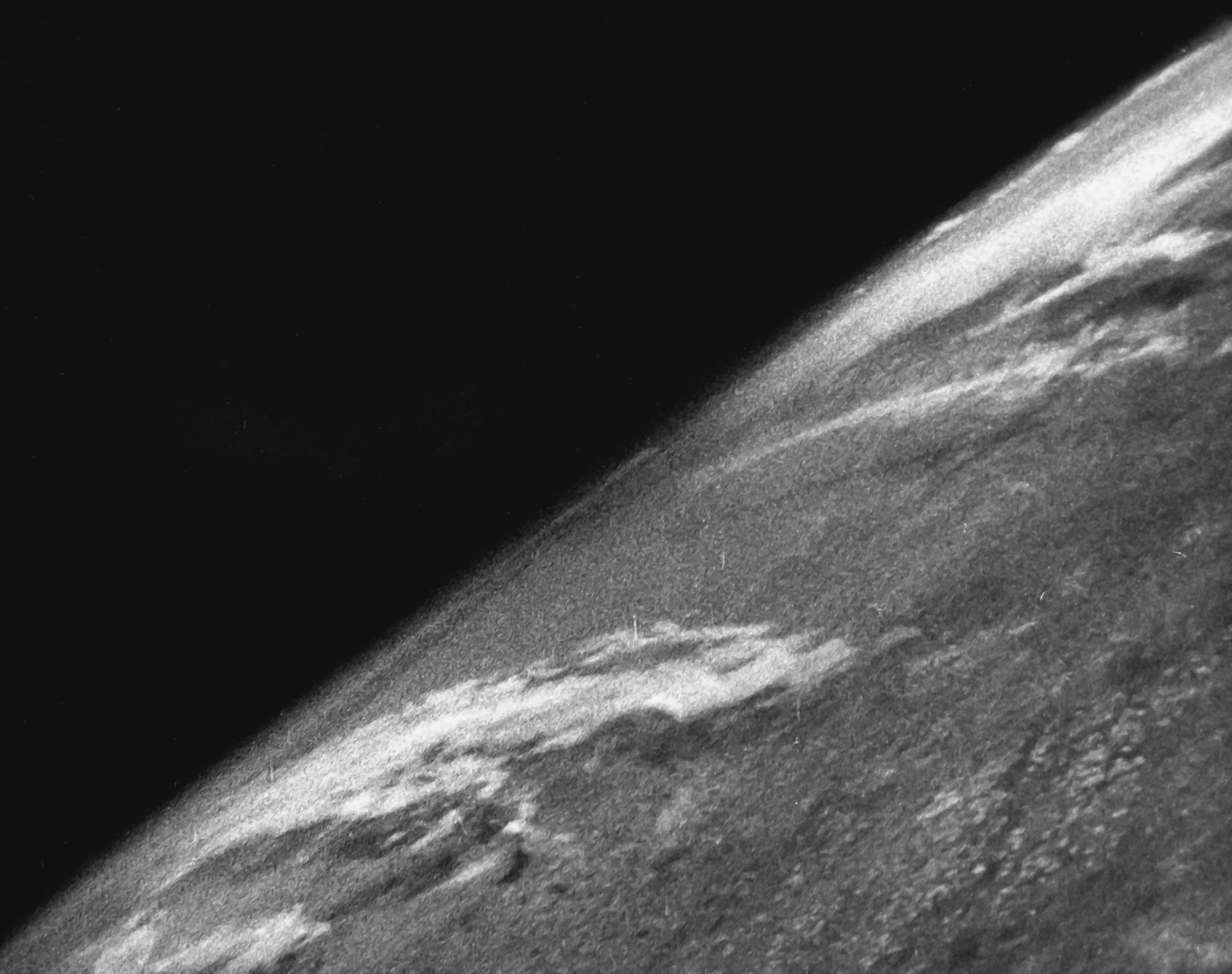
The First Photograph of Earth from Space: A Historic Milestone
On October 24, 1946, a significant moment in the history of space exploration occurred when a V-2 rocket captured the inaugural photograph of Earth from outer space.
Details of the Historic Launch
The V-2 rocket, launched from the White Sands Missile Range in New Mexico, carried a specially designed 35-millimeter motion picture camera. This camera was programmed to take images at intervals of one and a half seconds during its ascent.
Reaching an altitude of approximately 65 miles, the rocket ultimately fell back to Earth, crashing at a high velocity of around 340 miles per hour. Fortunately, the film was encased in a protective steel box, which safeguarded it against the impact. Subsequently, scientists ventured into the New Mexico desert to retrieve the film, which elicited jubilant celebrations upon viewing the unprecedented images.
The Impact of Space Photography
The ability to take photographs of Earth from space marked a pivotal turning point, inspiring further exploration beyond the planet and prompting societal reflection on humanity’s relationship with Earth.
- Military and Intelligence Uses: The newfound capability allowed for extensive reconnaissance that surpassed the limits of aerial surveillance.
- Agricultural and Meteorological Applications: This technology began to be utilized for agricultural monitoring and weather forecasting, laying the groundwork for modern Earth observation techniques.
- Environmental Awareness: The images captured showcased Earth’s fragility, leading to the emergence of the environmental movement as humanity began to perceive its planet as a vulnerable “blue marble” set against the vastness of space.
