


Orionid Meteor Shower: Peak Viewing and Forecast
The Orionid meteor shower is anticipated to reach its peak this week, offering a stunning celestial display. While some viewers may be treated to clear skies, others might face challenges due to rain and cloud cover.
Peak Viewing Information
- Peak Day: The meteor shower is set to peak on the night of Wednesday, October 21, 2023, extending into the early hours of Thursday, October 22, 2023.
- Best Viewing Time: The ideal window for observation occurs from midnight to dawn, encouraging night owls to stay up late or wake early to catch the meteors.
- Characteristics: Orionid meteors are renowned for their luminosity and rapid speed, traveling at approximately 41 miles per second. They often leave luminous trails that can linger for several seconds.
Regional Weather Forecast
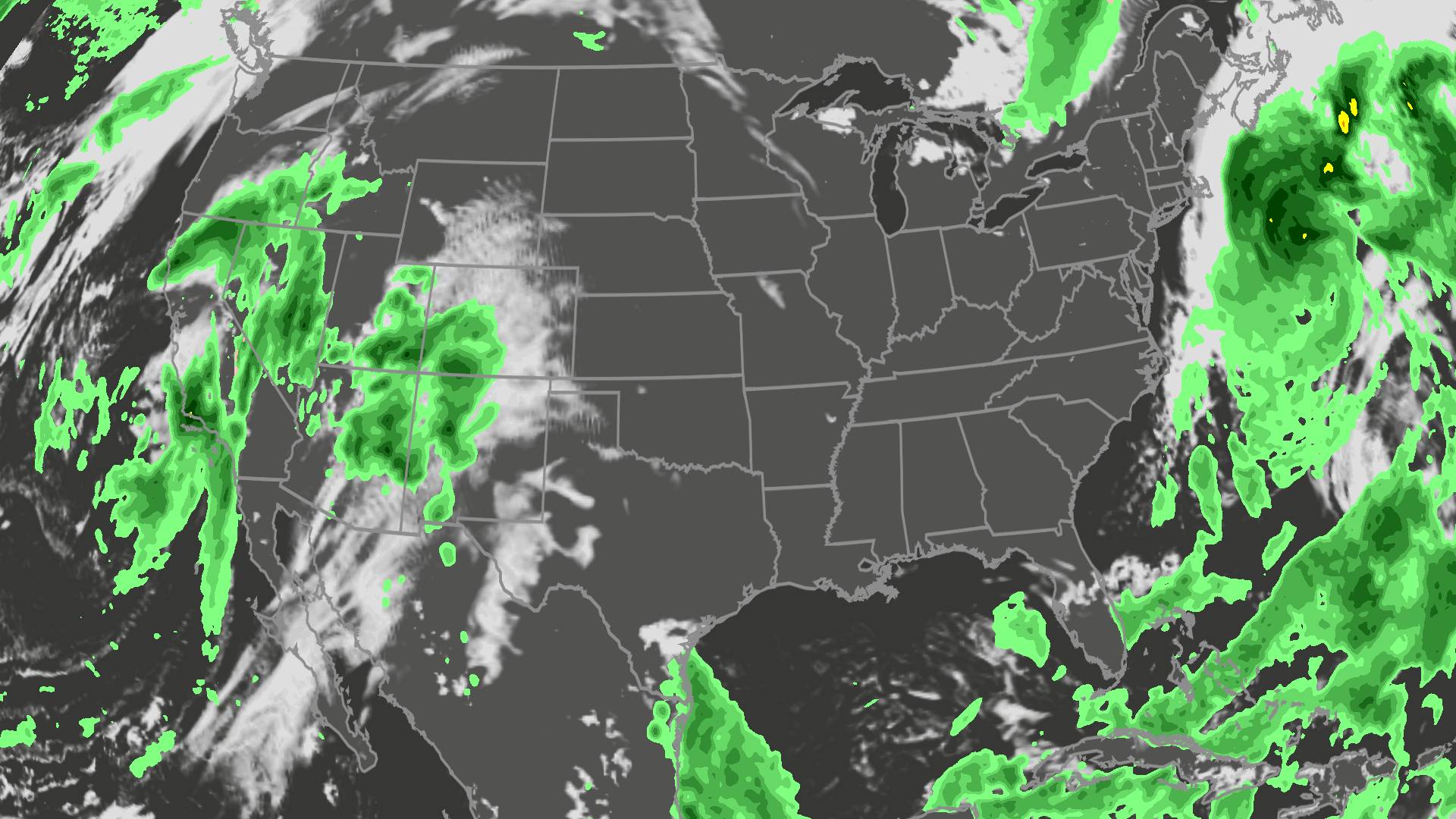
While many enthusiasts prepare for a night of stargazing, Mother Nature plays a crucial role in visibility. Fortunately, conditions appear favorable for most of the central and eastern United States, where clear skies are expected during the early morning hours of Thursday. However, several areas may experience less than ideal viewing conditions:
Problematic Areas
Rocky Mountain and Southwest Regions
Skywatchers in the Four Corners area may encounter dense cloud cover, which is typically a prime location for observing meteor showers. Unfortunately, clouds could obscure the view this year.
West Coast
In states like California, Oregon, and Washington, there could be significant cloud coverage. Although some parts might clear up, it’s wise to keep an eye on local weather forecasts.
East Coast Considerations
Most of the mid-Atlantic and Northeast regions currently show clear forecasts. However, a nor’easter is developing offshore that may bring clouds to areas from New York City to New England in the middle to latter part of the week, potentially impacting visibility.
Additionally, rain and storms may return to the West, influenced by incoming tropical moisture, which could lead to flooding in areas of California, Nevada, and the Four Corners, further complicating meteor observations.
Tips for Optimal Viewing Experience
If you find yourself in an area with favorable conditions, consider the following suggestions for maximizing your meteor-watching experience:
- Choose a location away from urban light pollution.
- Bring a blanket, sleeping bag, or reclining chair for comfort.
- Lie back with your feet oriented towards the southeast.
- Permit your eyes about 30 minutes to adjust to the dark.
- Practice patience and enjoy the lengthy display!
As we approach the peak, preparations can elevate the experience. With a little planning and luck on your side, you can enjoy one of nature’s spectacular events.
For more guidance on meteor showers and skywatching tips, stay in touch with reliable weather resources and local forecasts. Happy stargazing!
