


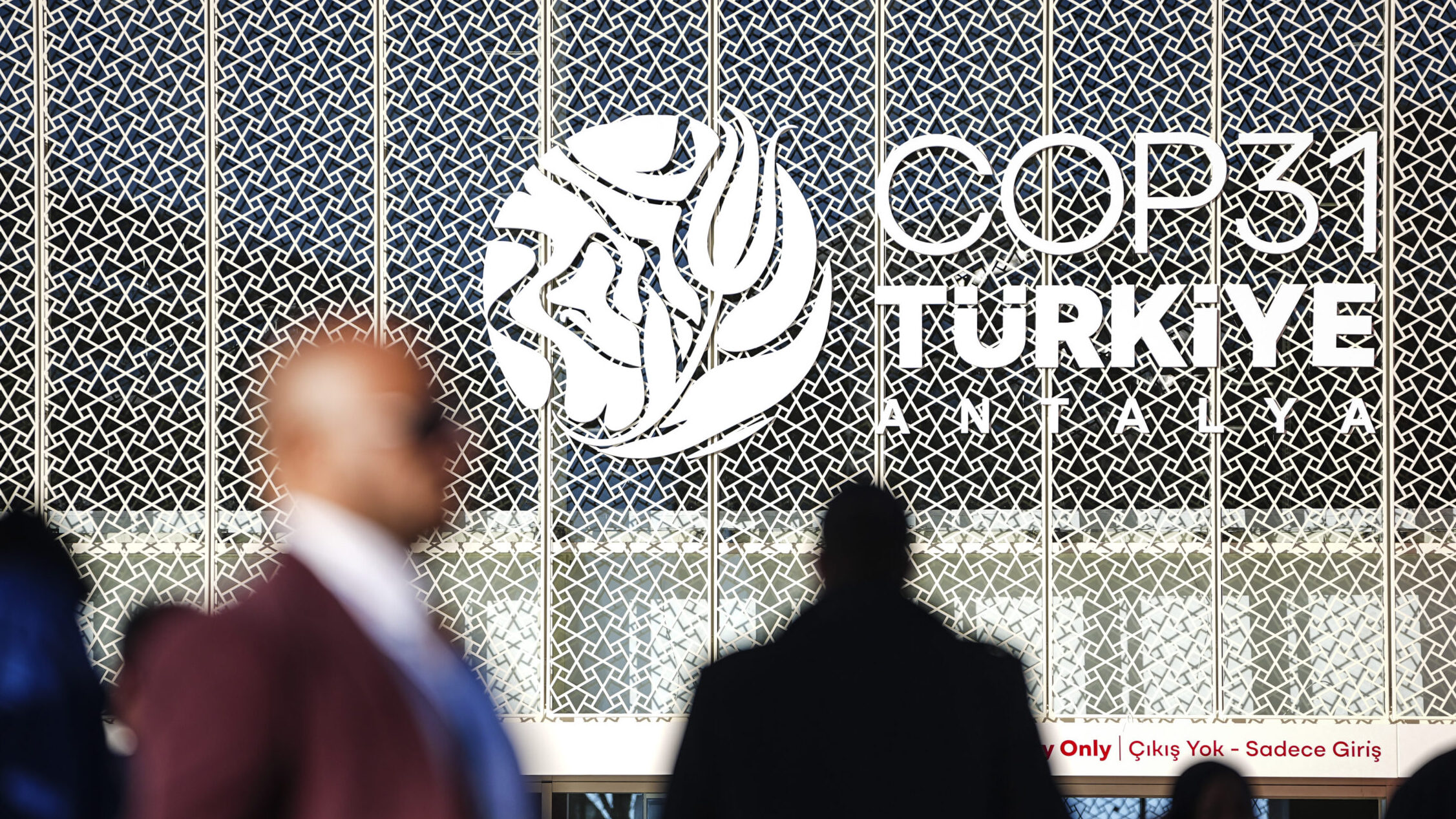
COP31 Establishes Global Alliance for Climate and Health Research Funding
During the ongoing UN Climate Summit (COP31) in Antalya, a significant global alliance has been formed with the aim of uniting climate and health research funders. This initiative comes at a critical time as nations are under pressure to convert their climate pledges into substantial actions.
Financial Needs of Developing Nations
A collective of 48 developing countries has reported an urgent requirement of approximately $3.3 billion annually to enhance their health systems against the impacts of climate change. However, in 2024, international financial support only met 34% of these needs, as highlighted in the 2026 Lancet Countdown report.
Formation of the Multilateral Initiative
On November 13, the European Commission, in collaboration with the Wellcome Trust and other public research funders from around the globe, launched the Multilateral Initiative on Climate & Health Research Funding. This initiative is hailed as the first global coalition specifically focused on climate and health research, reflecting a commitment to align and enhance funding priorities.
A Call for Implementation
Brazil’s Health Minister, Alexandre Padilha, emphasized at COP31 the need for decisive actions rather than mere promises. “COP31 must be the COP of implementation,” he stated, highlighting the shift towards tangible outcomes rather than political commitments.
The Role of WHO
Tedros Adhanom Ghebreyesus, Director-General of the World Health Organization (WHO), echoed similar sentiments about the risks associated with fragmentation of health priorities amidst shifting summit presidencies. Dr. Tedros pointed to progressive steps taken in previous summits that enhanced the focus on health resilience against climate-related impacts.
New Initiatives and Funding Frameworks
Türkiye, as the host of this year’s summit, introduced the Antalya Initiative for Health Resilience (AIR), a platform intended for sharing countries’ experiences with climate impacts on health systems. This initiative underscores the importance of resilient health systems as a priority of Türkiye’s action agenda.
Research as a Priority
The newly formed alliance aims to synchronize research funding efforts globally, expediting the flow of evidence into actionable policy changes. As noted by Ekaterina Zaharieva, Commissioner for Startups, Research and Innovation, this collaboration aims to harness collective resources to directly benefit the well-being of citizens.
Disparities in Research Funding
While Europe has taken the lead in climate-related health research funding—growing from 0.13% to 1.5% of global health research between 2016 and 2024—the report identified significant disparities. Currently, about 88% of grants are awarded to researchers in wealthier nations, leaving only 1% allocated to those in the most economically challenged countries.
Challenges in Health System Preparedness
The funding gap for health system preparedness against the adverse effects of climate change is critical. A report indicated that of the developing nations with detailed climate plans, 48 require over $16 billion from 2025 to 2030 for health adaptations; however, only $1.1 billion was pledged for 2024 projects focused on health adaptation.
The EU’s Commitment and Financial Landscape
The European Union has profoundly invested in climate action, contributing €32.3 billion in public funding to developing nations in 2025, as stated by Commission President Ursula von der Leyen. Despite this, the EU has faced criticism for not committing to new funding measures during COP31.
Sara Matthieu of the Greens-EFA group stressed the need for climate finance to be allocated as grants rather than loans, to avoid exacerbating debt burdens on vulnerable nations. The Lancet Countdown similarly urged nations to enhance grant-based and concessional financing for climate and health interventions.
Conclusion and Next Steps
The COP31 discussions will conclude on November 20, while the secretariat for the new research alliance is set to commence its operations in January 2027. The European Commission is also prepared to address health-related challenges in light of recent heatwaves, with plans to develop a comprehensive European Heatwave Plan soon.
As Dr. Tedros stated, “Declarations do not protect people. Implementation does,” emphasizing the urgency of actionable solutions in the face of climate change impacts on health.
