


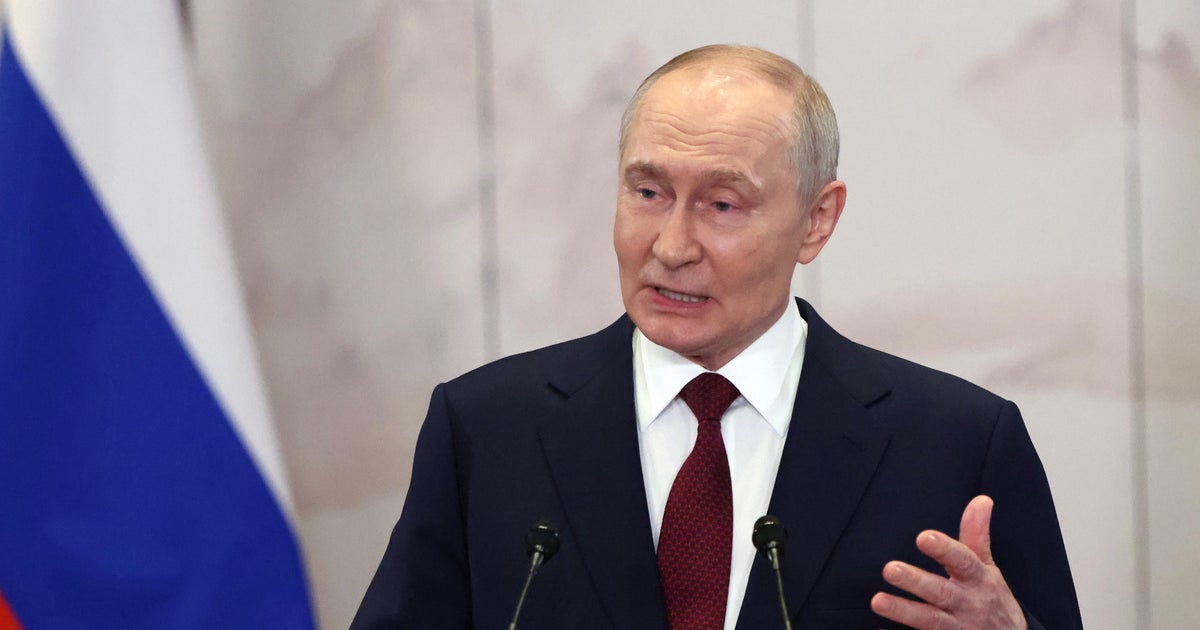
Putin Rejects Ceasefire Talks with Ukraine Post Kerch Bridge Strike
During a press conference on Thursday, Russian President Vladimir Putin announced that Russia would not engage in negotiations regarding a limited ceasefire with Ukraine. This decision comes in response to a missile strike by Ukraine on the Kerch Bridge, a critical link between Russia and the Russian-occupied Crimean Peninsula.
Background on the Kerch Bridge
The Kerch Bridge, which Putin inaugurated in 2018, spans approximately 12 miles and serves as a vital transport route connecting Crimea with the Russian mainland. This week’s attack on the bridge inflicted significant damage, marking a continuation of Ukraine’s efforts to disrupt Russian military infrastructure in the region.
Putin’s Statements on Ceasefire and Retaliation
Speaking after a meeting with U.S. President Donald Trump and Chinese President Xi Jinping in Shenzhen, China, Putin downplayed the strategic significance of the bridge. He noted discussions surrounding potential naval ceasefires and a halt to strikes on energy facilities but reaffirmed that negotiations with Ukraine were off the table following the attack.
“However, we will not make agreements after strikes on the Crimean Bridge. We will respond to these strikes,” said Putin, according to Russian state news agency TASS.
Putin warned that any retaliation for the bridge attack would be severe, further escalating tensions between the two nations.
Reactions from the International Community
The situation continues to evolve as representatives from the United States meet with various European leaders to discuss the conflict in Ukraine. Jared Kushner, former U.S. President Trump’s son-in-law, alongside Special Envoy Steve Witkoff, has been engaging with Ukrainian President Volodymyr Zelenskyy and leaders from Germany, France, and the U.K. Their discussions reportedly focused on achieving a “just, lasting, and durable peace” in Ukraine.
Kushner expressed appreciation for the collaborative efforts aimed at ending the war and ensuring stability in Europe, highlighting the ongoing international dialogue surrounding the conflict.
Putin’s Diplomatic Engagements
Despite his condemnation of the ceasefire talks, Putin has frequently articulated a desire for peace while simultaneously rejecting the notion that Russia instigated the war which began with its full-scale invasion of Ukraine on February 24, 2022. This enduring conflict has seen relentless attacks on Ukrainian territory, drawing condemnation from around the globe.
The dynamics of recent meetings have prompted mixed reactions. For example, opposition leader Merz criticized the trilateral meeting involving Trump and Xi, suggesting that it amounted to little more than a public relations opportunity without tangible outcomes for peace in Ukraine.
Conclusion
The ongoing conflict between Russia and Ukraine remains complex and deeply entrenched, with significant implications for international relations and security. As each side fortifies its stance, global leaders continue to seek pathways toward resolution while navigating the challenges posed by recent escalations in hostilities.