


Republicans Reflect on Midterm Election Setbacks in the Capitol
Upon returning to Capitol Hill following significant losses in the recent midterm elections, the Republican Party found itself divided. Some members had foreseen the potential for defeat, while others were caught off guard.
Forewarnings and Surprising Outcomes
Senator Jim Justice of West Virginia expressed his foresight, stating, “I told you exactly what was going to happen. Over and over and over, I told you. I said really and truly, if you weren’t concerned and you were a Republican, you were living in a cave.” Conversely, Congressman Warren Davidson from Ohio remarked, “No one anticipated the magnitude,” highlighting the unexpected success of Democratic candidates.
The Climate Leading to Election Results
Despite many analysts expecting losses for the ruling party, the scale of the Democrats’ victory—which included gaining a 54-seat Senate majority and a 254-seat House majority—shocked many. Anticipating challenges, Republicans failed to predict the depth of dissatisfaction among voters, exacerbated by President Trump’s declining approval ratings and historic patterns where the party in power typically faces setbacks during midterms.
Reactions from Republican Lawmakers
Following the election results, Senator John Curtis of Utah noted the frustrations of voters: “People are mad, and they have a right to be mad. They’re disappointed, and they feel like we haven’t delivered, and we deserve exactly what we got.” In a mirrored sentiment, Republicans observed local losses, including in deep-red Utah, where Democrats managed to disrupt their supermajority by gaining multiple seats.
Policy and Strategy Critiques
The losses prompted a self-evaluation among Republicans regarding their policy decisions over the past two years. Some lawmakers, like Glenn Thompson, emphasized that economic factors drive electoral outcomes, suggesting optimism for recovery due to “the long-term success of the president’s policies,” though he conceded that these measures came too late for the recent elections.
Davidson shared a similar concern, indicating that “If we had delivered on those things that we campaigned on in 2024, we would have probably had a different election outcome.” He added that many voters felt unheard, leading to their significant turnout against Republican incumbents.
Looking Forward: Legislative Challenges Ahead
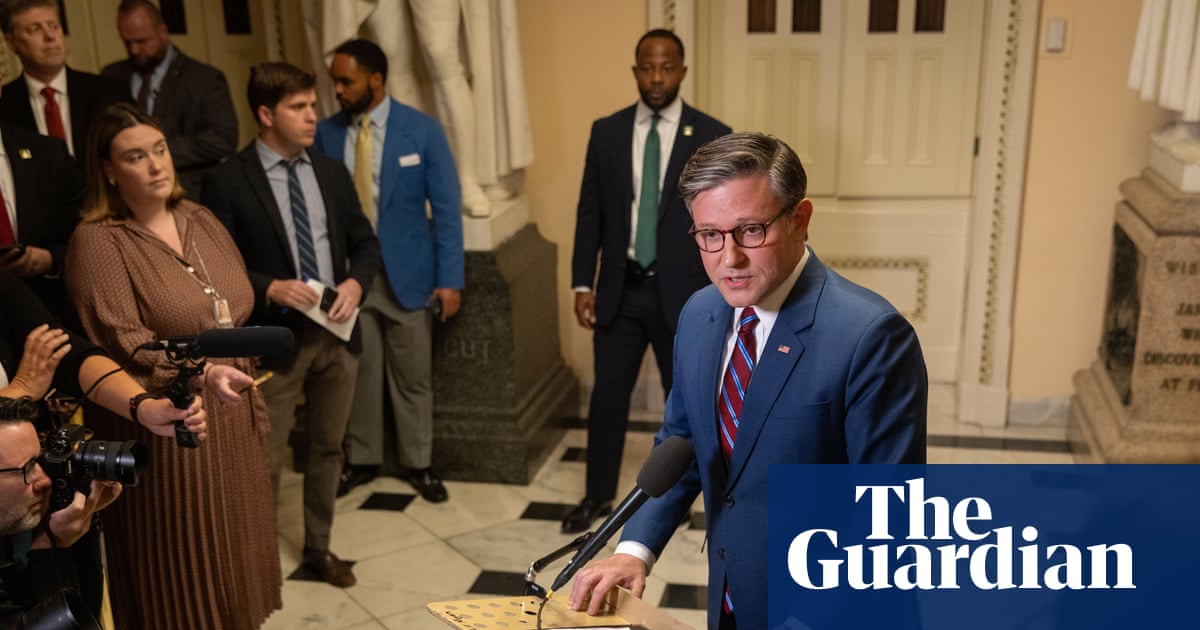
An immediate challenge for House Republicans is addressing critical legislative tasks before the new political landscape solidifies. With government funding set to expire on December 11, legislative priorities include a defense policy bill and a delayed agricultural measure. Mike Johnson, the Republican Speaker, promised that Congress would “stay here around the clock if necessary” to fulfill these obligations while acknowledging the election results warranted introspection.
Divided Strategies within the Party
As discussions evolve regarding potential impeachment efforts against Defense Secretary Pete Hegseth, some Republicans advocate for a broader vision for the party. This includes possibly advancing bipartisan legislation amid the anticipated gridlock of a divided government.
A Future of Cooperation or Conflict?
Post-election, Trump has expressed a desire to collaborate with Democrats, yet skepticism remains among party members about his commitment, particularly in light of his recent staff appointments. The political dynamics in Congress will shift considerably as new Democratic members orient themselves to legislative processes, which may make future collaborations tenuous.
Amidst these developments, veteran Texas Senator John Cornyn shared his thoughts: “It’s going to be fascinating to watch,” reflecting the uncertainty that lies ahead for both parties as they navigate the challenges of governance in a polarized environment.
