


The Theory of Nemesis: A Hidden Twin of Our Sun
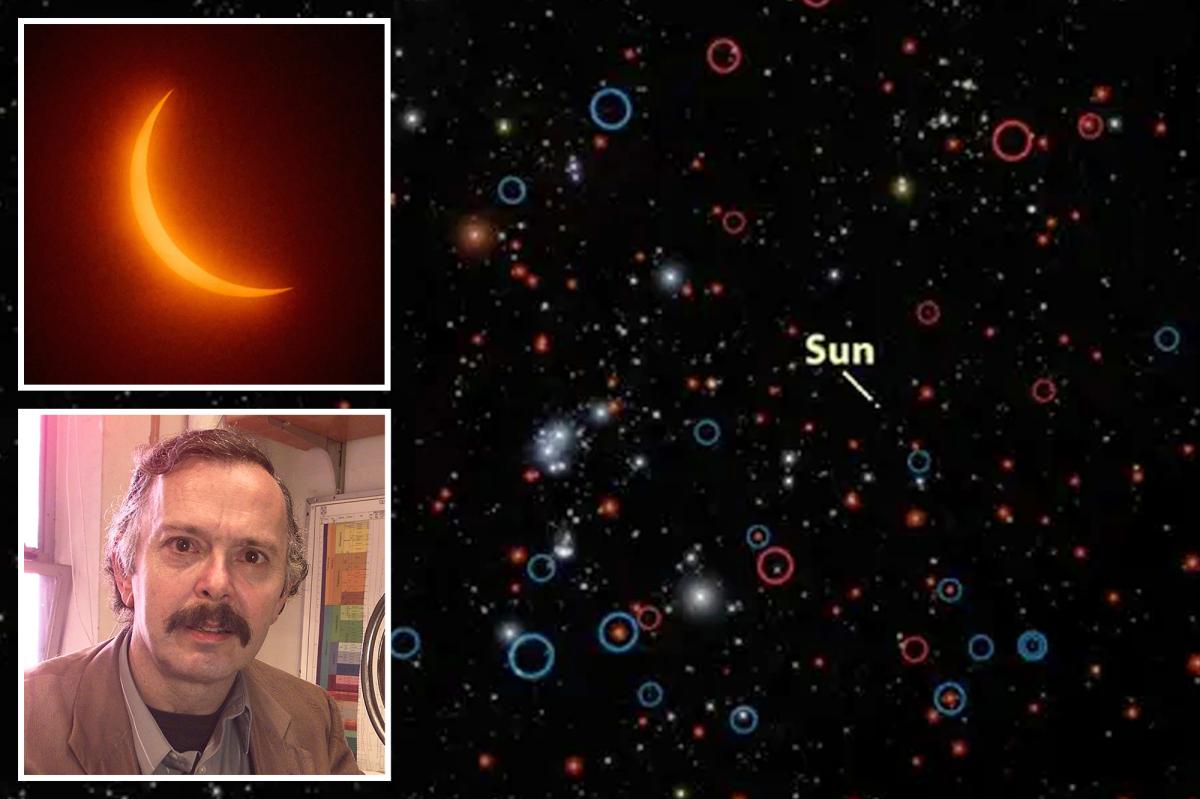
Could a hidden companion star to our Sun be responsible for periodic comet showers that threaten Earth? This intriguing idea stems from the concept of a hypothetical star known as “Nemesis,” proposed by physicist Richard Muller, an emeritus professor at UC Berkeley.
Understanding Nemesis
According to Muller, Nemesis is a red dwarf star located on the outskirts of our solar system. Unlike more visible stars, it is theorized to orbit the Sun in tandem, making it almost invisible against the vast background of stars in the cosmos. This unique positioning allows it to remain undetected, despite potentially playing a significant role in our solar system’s dynamics.
The Comet Shower Cycle
Muller’s theory suggests that every 26 million years, Nemesis makes a close pass through the Oort Cloud—a massive, spherical shell of icy bodies surrounding our solar system. This encounter may trigger a barrage of comets toward Earth, with a duration that can last up to a million years. This hypothesis is fueled by historical data indicating spikes in marine extinctions every 26 million years, aligning with major celestial impacts, including the catastrophic event that is believed to have led to the extinction of the dinosaurs.
Connecting the Dots
Research dating back to 1982 uncovered the pattern of extinction events on a 26-million-year cycle, suggesting celestial phenomena may influence life on Earth. Notably, one significant impact 66 million years ago is widely believed to have been caused by an asteroid, leading to the demise of many species, including the dinosaurs. However, the precise nature of this impactor—whether it was a comet or an asteroid—remains a matter of debate.

Controversy and Debate
While Muller’s conjecture is captivating, it is not without controversy. A 2014 study utilizing data from NASA’s WISE infrared telescope found no evidence supporting the existence of Nemesis. Kevin Luhman, an astronomer at Penn State University, stated, “The outer solar system probably does not contain a large gas-giant planet, or a small companion star.”
Despite such critiques, Muller remains firm in his belief that the star’s hidden nature could account for the lack of evidence against its existence. He argues that until a thorough search is conducted, the mystery of Nemesis could remain unsolved, adding an intriguing layer to our understanding of cosmic influences on Earth.
Conclusion
The quest to uncover the existence of Nemesis raises important questions about the nature of our solar system and the potential threats it faces from the cosmos. As research continues, the exploration of this hidden companion could reshape our understanding of periodic celestial impacts and their impact on life on Earth.
