


XRP vs. RLUSD: Understanding the Distinctions in Ripple’s Offerings
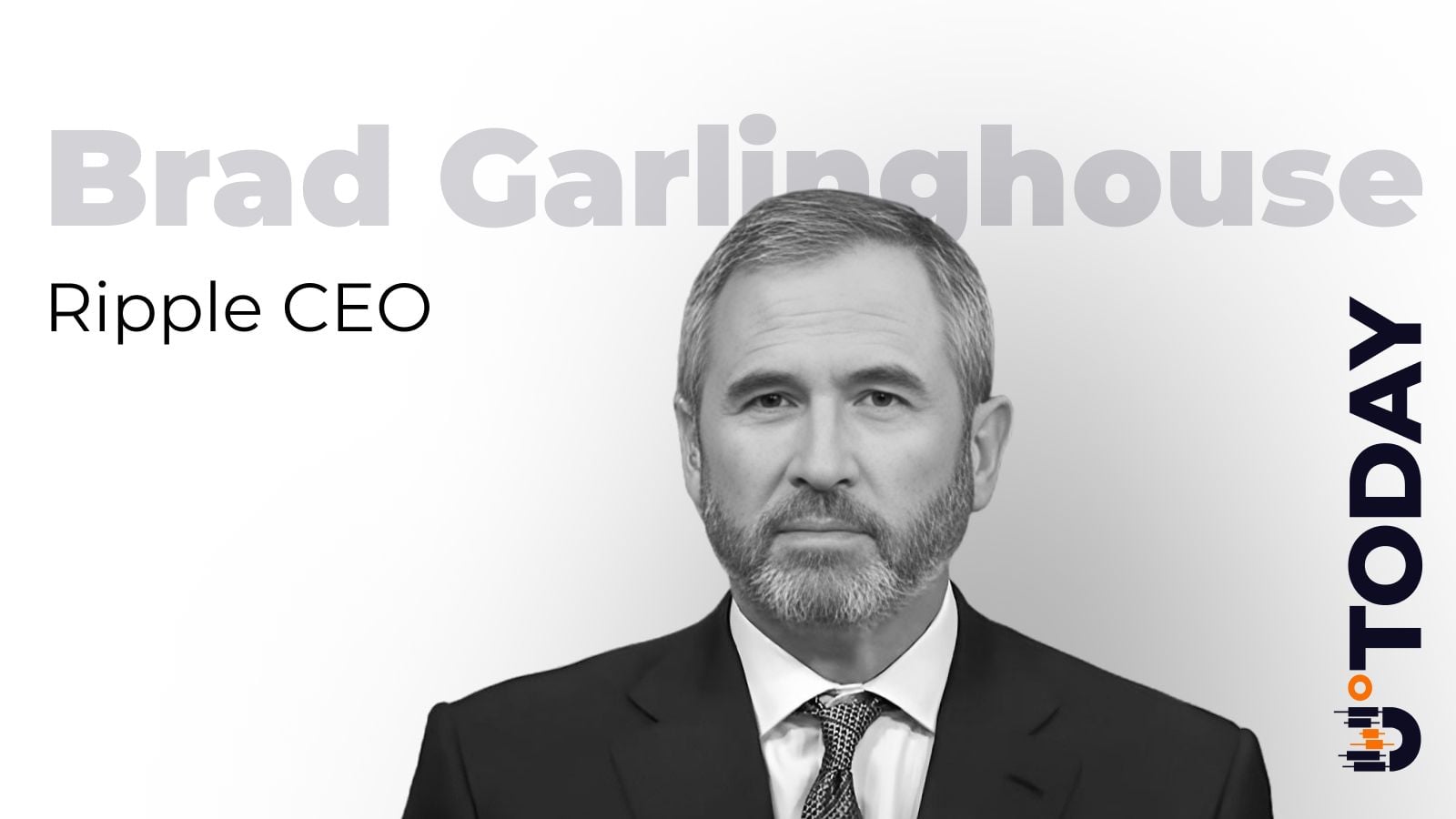
Recent discussions surrounding Ripple’s entry into the stablecoin market have sparked debates about the implications for XRP, the company’s native cryptocurrency. Ripple CEO Brad Garlinghouse recently addressed these concerns, emphasizing that both XRP and the newly introduced RLUSD stablecoin serve different yet complementary functions within the XRP ecosystem.
Ripple’s Stance on XRPL’s Assets
On November 3, Garlinghouse took to social media to respond to a thoughtful analysis posted by a prominent member of the XRP community, known as Vet. In his response, Garlinghouse stated, “Well said, Vet. Complementary, not competitive,” reinforcing his belief that both assets can coexist harmoniously.
This comes in light of worries from some XRP holders who fear that RLUSD could diminish demand for XRP. In the ongoing discourse about the future of these two financial instruments, it is vital to understand their distinct purposes.
Key Differences Between XRP and RLUSD
Functional Roles on the XRP Ledger
According to Vet’s analysis, the fundamental difference lies in the roles that these two assets play:
- XRP is the native currency of the XRP Ledger, essential for its core operations. Users must hold XRP as a reserve, and all transaction fees are paid using this cryptocurrency.
- RLUSD is a USD-pegged stablecoin introduced by Ripple, designed to maintain a stable value near $1. This provides a reliable option for transactions that require price stability.
Control and Stability
Another significant distinction between the two assets pertains to control mechanisms:
- Ripple retains the authority to freeze RLUSD under specific circumstances, such as legal requirements.
- In contrast, XRP operates on a decentralized ledger without a controlling entity able to freeze the asset.
Liquidity and Usage
Vet also points out that XRP enjoys a unique advantage within the XRP Ledger’s decentralized exchange (DEX), especially concerning liquidity. The ledger features an automatic bridging function that enhances XRP’s role as an intermediary for trade, allowing for potentially better exchange rates through XRP.
While RLUSD is suited for scenarios demanding price stability—such as payroll or corporate payments—XRP’s distinct characteristics make it more favorable for liquidity providers and market makers.
Concerns From the Community
Despite the advantages that XRP provides, some investors express concerns regarding the possibility that RLUSD might eventually replace XRP in specific payment scenarios. A lingering question remains: if transactions can be executed directly with a dollar-denominated stablecoin, is there still a need for an intermediary like XRP?
Moreover, it’s important to note that RLUSD is not exclusive to the XRP Ledger. It can also function on multiple other blockchains, which means that its rise in popularity does not necessarily translate to increased usage of the XRP Ledger.
Garlinghouse’s Commitment to XRP
This is not the first instance where Garlinghouse has publicly reassured the community amid shifting priorities. During the Swell 2026 conference held on October 28 in New York, he emphasized Ripple’s ongoing commitment to XRP, stating, “We will never give up on XRP.”
As Ripple continues to develop both XRP and RLUSD, it appears the company’s strategy is to leverage these two assets in a way that maximizes their unique strengths while addressing diverse user needs within the cryptocurrency landscape.
