


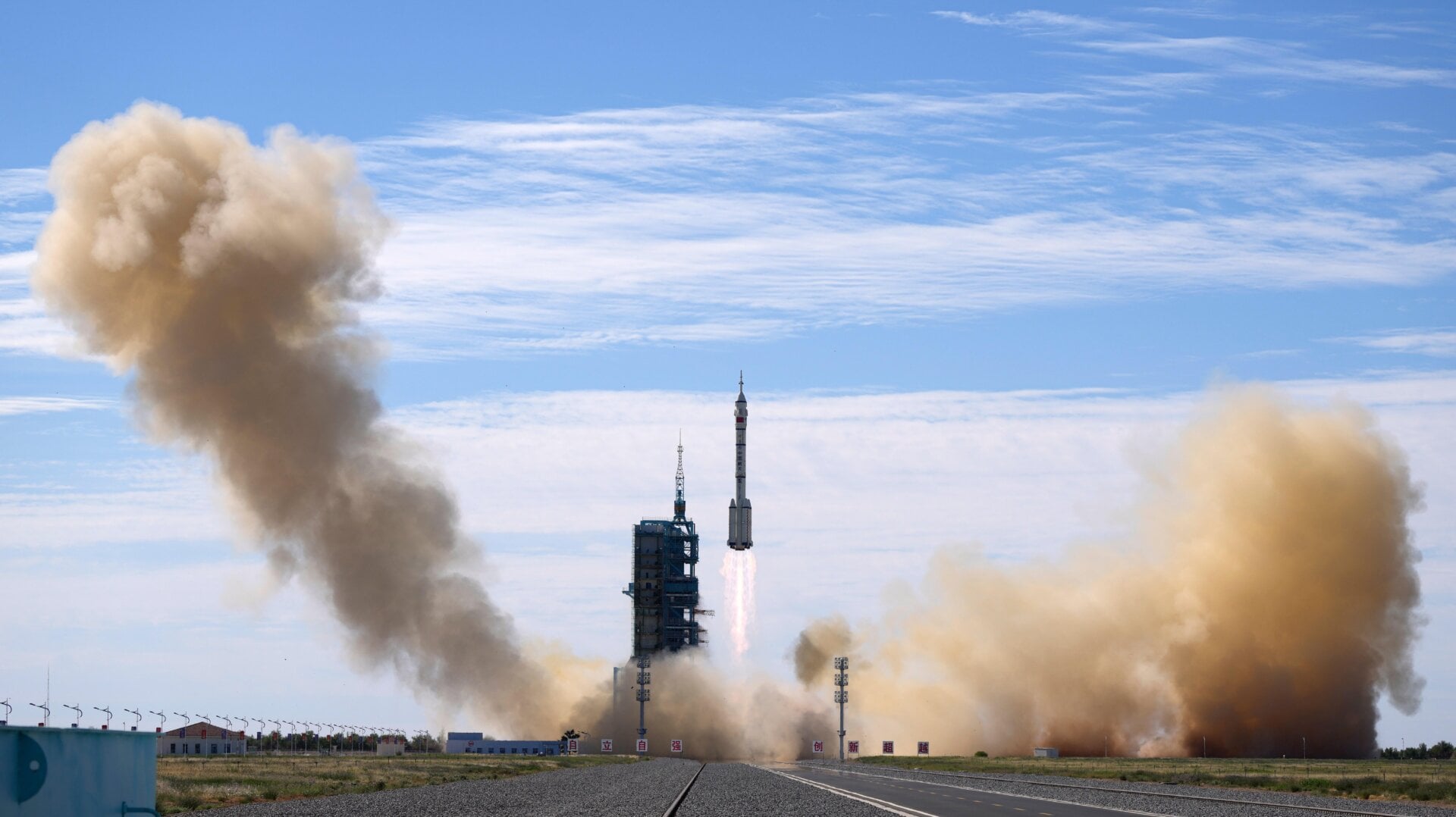
China’s Ambitious Lunar Mission: Crew Landing Planned by 2030
In a significant announcement at the 7th Manned Space Symposium held in Beijing, China’s leadership has laid out an ambitious roadmap aiming to land astronauts on the Moon within the next three years. This comprehensive strategy highlights China’s commitment to its lunar exploration goals as the competition for space dominance intensifies globally.
Phases of the Lunar Ambition
Wang Xiang, the chief designer of China’s lunar program, detailed the stages leading up to the planned crewed lunar landing. The timeline includes various preparatory missions designed to ensure readiness for manned operations on the Moon.
- Initial Test Flights: Starting in early 2027, the Long March 10A rocket will undergo initial testing in Earth orbit, lifting the Mengzhou spacecraft to the Tiangong space station for cargo missions, to validate its design and reliability.
- Uncrewed Lander Mission: In 2028, China plans to execute an uncrewed test flight of the Long March 10 rocket alongside the Lanyue lunar lander, which will attempt a landing on the Moon followed by a launch back into lunar orbit.
- Lunar Docking Rehearsal: In 2029, Lanyue and Mengzhou will make individual launches to execute a docking maneuver in lunar orbit, paralleling techniques used during the Apollo missions.
Preparing for a Human Landing
If the 2029 rehearsal is successful, China’s first crewed lunar landing will involve three astronauts, with two specifically designated to descend to the Moon’s surface. The lunar mission is expected to last three Earth days, during which the astronauts will conduct extravehicular activities.
China’s Position in the New Space Race
This newly outlined timeline marks a decisive shift from previous ambiguous statements regarding China’s lunar timeline. Observers note that China is swiftly advancing its plans, as evidenced by recent videos on Chinese social media showing preparations at the Wenchang spaceport, including the arrival of essential hardware for upcoming missions.
China’s timelines indicate a direct competition with the United States, which aims to send astronauts to the Moon as part of its Artemis program by early 2028. However, uncertainties remain over the U.S. agency’s ability to meet this deadline, particularly concerning the readiness of its commercial partners SpaceX and Blue Origin to provide a lunar lander.
With both nations progressing towards their lunar goals, the coming years will be crucial in determining how this new chapter in space exploration unfolds and which country will achieve its objectives first.
As the race intensifies, both China and the U.S. face numerous technical challenges that must be overcome to realize their aspirations of lunar exploration.
