


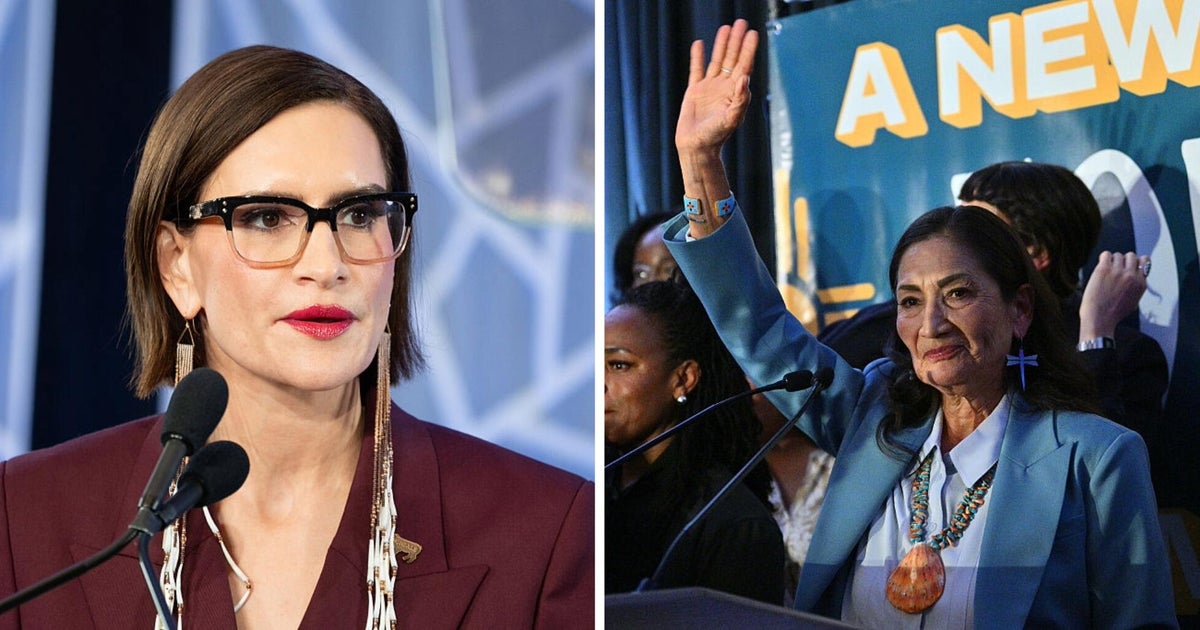
Historic Wins in the 2026 Midterm Elections: Deb Haaland and Peggy Flanagan
In a landmark event during the 2026 midterm elections, two Native American women broke barriers by securing significant political victories—Deb Haaland as governor of New Mexico and Peggy Flanagan as a senator from Minnesota. Both achievements mark the first instances of Native women holding these prominent offices in the United States.
Deb Haaland: A Trailblazer for Native American Leadership
Deb Haaland, celebrated for her prior role as the U.S. Secretary of the Interior, became the first Native American woman to ascend to a governorship. Haaland, a citizen of Laguna Pueblo, emerged victorious against Republican candidate Gregg Hull, the former mayor of Rio Rancho.
Recognized for her historic roles in politics, Haaland previously made headlines as one of the first two Native American women elected to Congress in 2018. Her campaign focused on enhancing the cost of living standards, safeguarding New Mexico’s Universal Child Care program, and reforming the child welfare system.
Peggy Flanagan: A Voice for the Progressive Movement
In Minnesota, Peggy Flanagan, the current lieutenant governor, made history by becoming the first Native American woman elected to the U.S. Senate. She won her seat against Republican Michele Tafoya, known for her background in sports broadcasting. Flanagan’s advocacy stems from her own life experiences, having faced challenges including childhood asthma and reliance on Medicaid.
Flanagan’s campaign messaging resonated with voters struggling financially, as she promoted policies like “Medicare for All” and national paid family leave. Her spirited acknowledgment of voters’ efforts against former President Trump on election night underscored her commitment to progressive values.
Significance of Their Triumphs
The victories of Haaland and Flanagan hold profound significance for Native American communities. The National Congress of American Indians underscored these wins as pivotal milestones, highlighting the historical underrepresentation of Native American women in politics despite their crucial roles in community leadership and governance.
“Long before Native women were welcomed into the halls of government, they were leading our Nations, protecting our families, and shaping the future of Indian Country,” stated Larry Wright Jr., Executive Director of the NCAI. He emphasized the importance of representation in driving meaningful progress on issues affecting tribal lands and treaty obligations.
Looking Ahead
In an exciting development, results from the election in Alaska could potentially see another Native American woman, Mary Peltola, join Haaland and Flanagan, as her Senate race remains a contested outcome.
As these trailblazing women take on their respective roles, they offer new hope and a powerful message to young Native girls: their voices are vital, their contributions are essential, and they deserve to be part of leadership and decision-making processes.
