


Alternative Pathways for Angiogenesis Discovered
Recent research highlights the ability of blood vessels to grow through mechanisms independent of Vascular Endothelial Growth Factor Receptor (VEGFR) signaling. This finding opens up new possibilities for addressing tumors that exhibit drug resistance.
The Role of VEGFR in Angiogenesis
VEGFR is a critical receptor in the process of angiogenesis, where new blood vessels form from existing ones. This process is vital for tumor growth, as it supplies necessary nutrients and oxygen. Conventional therapies often target VEGFR signaling to impede tumor vascularization and growth.
Groundbreaking Findings on Venousization
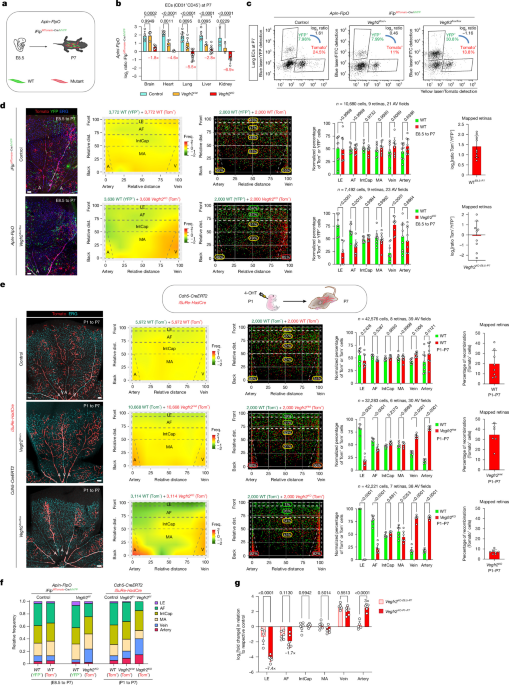
Researchers have uncovered that venous adaptation can support angiogenesis even when VEGFR signaling is disrupted. This adaptation suggests that tumors can activate alternative pathways for blood vessel formation, enabling them to thrive despite conventional therapies. This discovery shifts the focus toward investigating these alternative mechanisms as potential therapeutic targets.
Implications for Drug-Resistant Tumors
- Understanding alternative pathways may lead to the development of novel treatments that could enhance efficacy against drug-resistant tumors.
- Targeting these pathways might offer new strategies for improving patient outcomes in cancers notoriously resistant to current therapies.
Future Directions in Cancer Research
The insights gained from this study may encourage further exploration of how alternative angiogenic pathways can be exploited in cancer treatment. Continued research could unveil additional factors involved in blood vessel growth that do not rely on VEGFR, broadening the scope of therapeutic options available for oncology.
Conclusion
This advancement in understanding the venousization process represents a pivotal step towards developing innovative treatments for tumors that evade traditional therapies. By focusing on alternative pathways for angiogenesis, researchers hope to enhance the effectiveness of cancer therapies and combat drug resistance more successfully.
