


UN Security Council Fails to Extend Western Sahara Peacekeeping Mission
Published on
The future of the United Nations peacekeeping mission in Western Sahara is now in jeopardy following the recent failure of competing proposals in the UN Security Council. Both a US-backed resolution and a rival Russian draft were rejected, leaving the mission without an approved mandate extension.
Tensions at the Security Council
On Friday, the Security Council saw a significant divide as Russia vetoed the US proposal, despite support from 11 out of 15 council members, including permanent members France and the United Kingdom. The US draft sought to extend the peacekeeping mission for a year, while also removing the term “referendum” from its mandate, thereby prioritizing Morocco’s autonomy plan as the sole framework for future discussions.
In response, the Russian draft failed to gain sufficient support, securing only two votes in favor, one against, with the remainder of council members abstaining.
Background of the Western Sahara Dispute
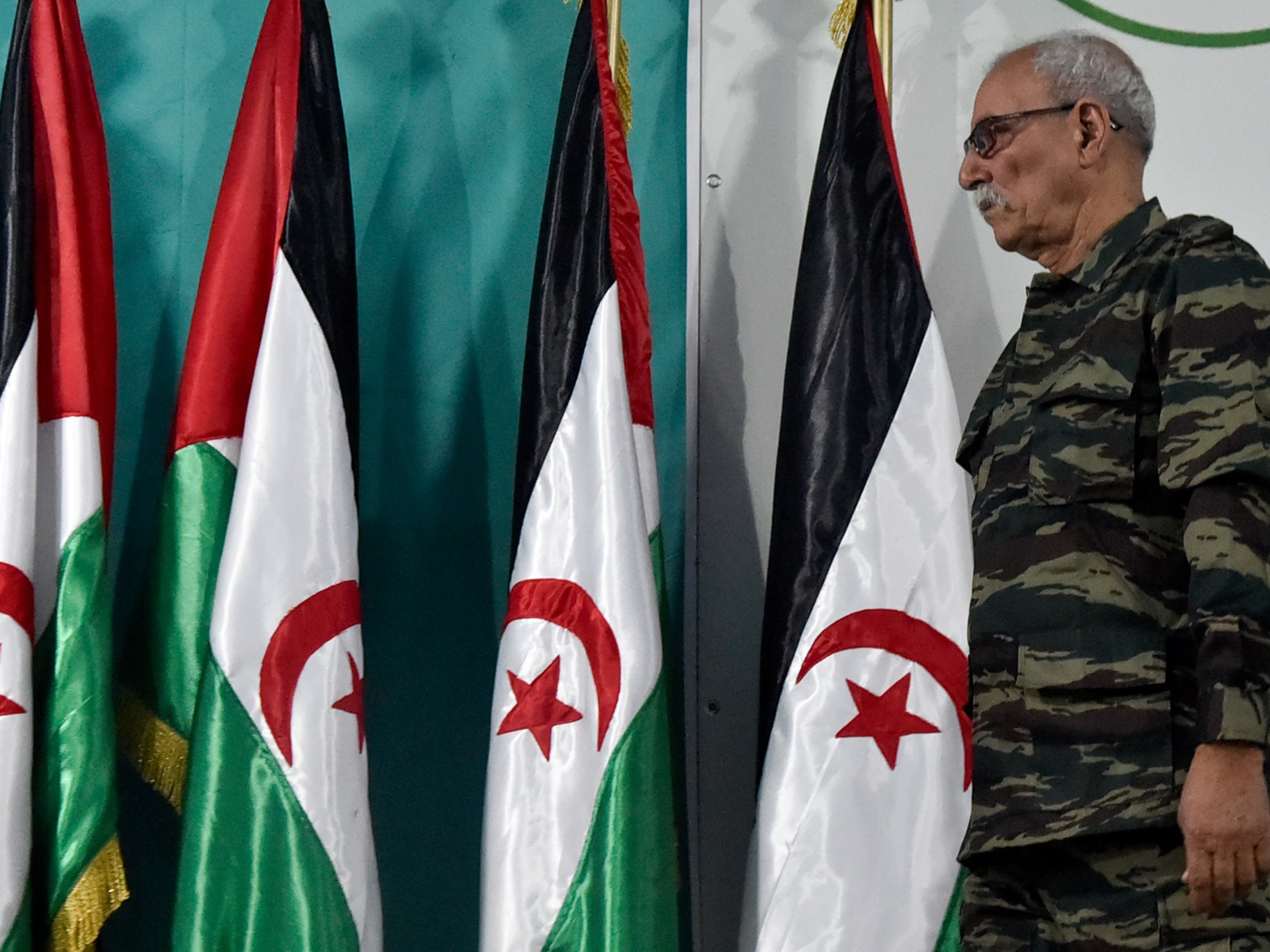
Western Sahara, once a Spanish colony, is claimed by Morocco, with the Algeria-backed Polisario Front advocating for an independent state, the Sahrawi Republic. Established in 1991, the UN Mission for the Referendum in Western Sahara (MINURSO) was tasked with overseeing a ceasefire and facilitating a referendum on the region’s future. However, disagreements over voter eligibility have hindered progress towards a referendum.
Mission Logistics and Financial Aspects
MINURSO currently consists of 155 military personnel and is budgeted to cost approximately $62 million for the current fiscal year, which commenced in June, as reported by the UN Secretary-General.
Reactions to the Proposal Failures
In light of the failed proposals, Morocco’s royal palace expressed approval, indicating that UN personnel and assets should exit the territory quickly. The Moroccan government has reiterated its commitment to the existing ceasefire agreement.
Conversely, the Polisario Front welcomed Russia’s veto, arguing that the US proposal would have compromised Sahrawi self-determination. Algeria also expressed its discontent over the rejection of MINURSO’s renewal, criticizing the perceived bias of the US draft toward Morocco.
Potential Impacts of the Situation
Oxfam has raised concerns about the implications of losing MINURSO, highlighting that the mission’s monitoring and conflict de-escalation roles were critical to maintaining security and stability in the region. Additionally, with ongoing low-level confrontations since the Polisario declared a resumption of armed struggle in 2020, the absence of the peacekeeping mission raises questions about the future dynamics of the conflict.
Conclusion
The UN Security Council’s inability to reach an agreement prolongs the uncertainty surrounding Western Sahara. As diplomatic tensions remain high, the prospects for peace and self-determination in the region continue to hang in the balance.