


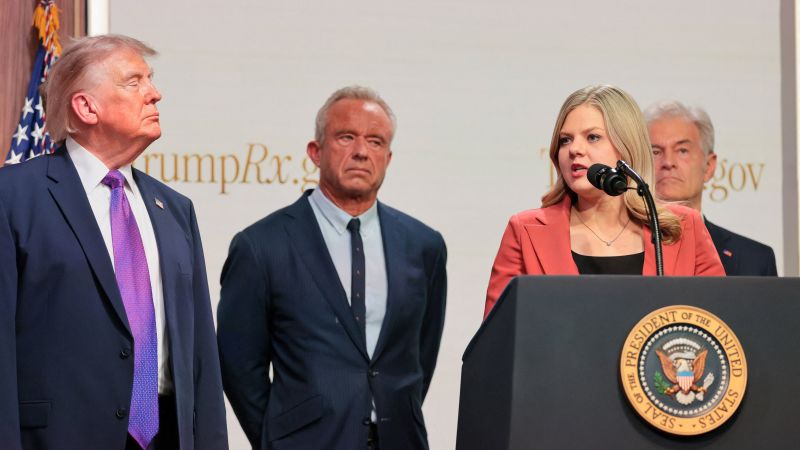
Abandonment of FDA Nomination: Dr. Heidi Overton’s Candidacy Withdrawn
In a surprising move late on Tuesday, the White House decided to withdraw Dr. Heidi Overton’s nomination to lead the Food and Drug Administration (FDA). This conclusion came just hours after senior health officials believed she had secured sufficient support from the Senate for her advancement, as reported by several sources familiar with the situation.
Unexpected Withdrawal
Dr. Overton’s team initially learned of the withdrawal through an Axios report, which they believed to be an error. This swift decision caught many senior officials within the Department of Health and Human Services (HHS) off guard and incited frustration among Republican lawmakers, particularly Senator Bill Cassidy, chair of the Senate’s health committee.
Political Dynamics
It appears that internal political dynamics influenced this unexpected withdrawal. Some sources indicated that Secretary of Health and Human Services Robert F. Kennedy Jr. and new White House Chief of Staff Stephen Miller had developed reservations about Dr. Overton over the past few months—despite initial endorsements. Following the decision, Cassidy expressed his displeasure and suggested that Dr. Overton’s nomination had likely garnered the necessary votes for advancement.
Negotiation and Concessions
Leading up to the withdrawal, Dr. Overton’s team had engaged in extensive negotiations, including making concessions to GOP senators like Josh Hawley. Just before the nomination was withdrawn, her team had worked to secure vital commitments that they believed could strengthen her candidacy.
Implications for the FDA
The FDA has been without a permanent commissioner since May, and the sudden withdrawal of Dr. Overton’s nomination raises concerns about the agency’s leadership entering an election year. Current acting commissioner Kyle Diamantas is expected to vacate his role by the end of the year, creating the possibility of prolonged instability within the agency.
Future of the Nomination Process
In the wake of Dr. Overton’s withdrawal, there are no clear indications that the administration has a plan to nominate a replacement swiftly. Some officials fear that without a Republican nominee, confirming a new FDA Commissioner will fall to Democrats once they take control of the Senate in January.
Conflicted Loyalties and Policy Stances
The decision has reignited debates regarding the administration’s healthcare agenda within the GOP. Those aligned with Kennedy have reportedly perceived Dr. Overton as a hindrance to advancing their policies. Overton’s supporters argue that she had been a significant advocate for key initiatives at the White House level, and her withdrawal reflects broader shifts in political priorities.
Looking Ahead
The nomination of Dr. Overton, which had begun with strong backing from Trump’s team, faltered amid increasing scrutiny from both internal and external critics. As the administration prepares to chart a new course, the approach to FDA leadership—and healthcare policy at large—remains uncertain.
As the situation develops, it remains crucial for stakeholders to monitor the implications of this decision on public health policies and FDA operations in the coming months. This event underscores the complexities of political negotiations and the impact they can have on essential health institutions.
