


Nostalgia in Gaming: Remakes and Classic Experiences
The realm of video gaming often invites us to revisit our past, evoking fond memories tied to iconic titles. Re-experiencing classics, whether through remakes or original gameplay, can enhance our appreciation for their legacy. Two significant examples are the remake of The Legend of Zelda: Ocarina of Time and the new mode from World of Warcraft, aptly named Forever.
Revisiting a Classic: The Legend of Zelda: Ocarina of Time
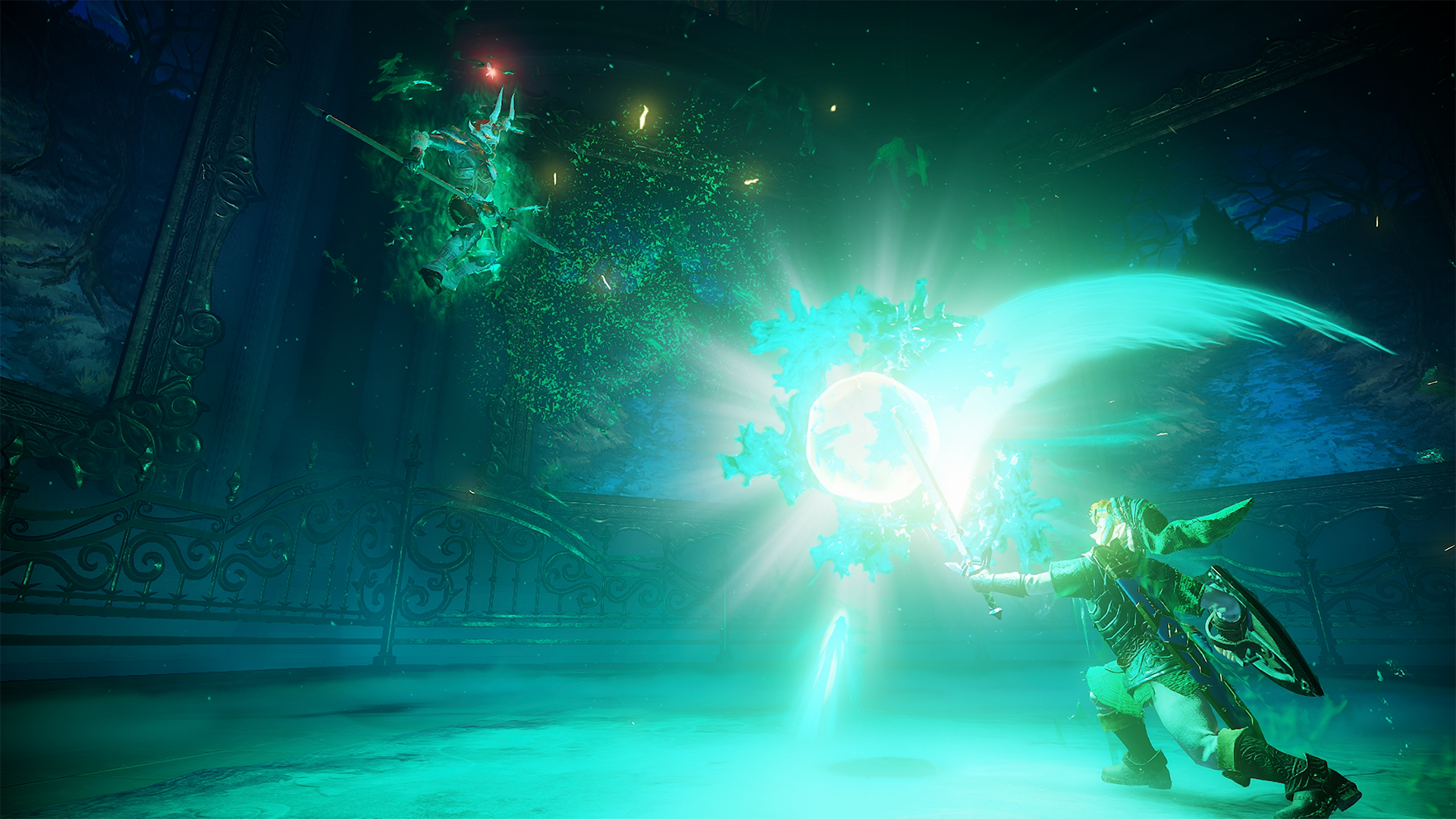
The Legend of Zelda: Ocarina of Time has long been celebrated for its innovative gameplay and captivating story. The original release, in 1998, set a standard for action-adventure games that is still revered today. A recent remake of this classic refines the original experience, enhancing graphics, updating controls, and incorporating more voice acting to enrich character interactions.
Key Features of the Remake
- Visuals: The remake features enhanced graphics that bring the world of Hyrule to life with a fresh, vibrant look.
- Gameplay Improvements: Quality-of-life enhancements include streamlined item management, allowing players to swap items with a single button press, significantly speeding up gameplay.
- Engaging Puzzles: The game’s puzzles continue to challenge players without becoming overly complex, striking a perfect balance that encourages creative problem-solving.
Players returning to the game often find their familiarity with its challenges aids in navigating its intricacies. The remake of Ocarina of Time offers a contemporary experience while preserving the essence that made the original memorable.
World of Warcraft: The Classic Comeback
Since its launch in 2004, World of Warcraft has undergone multiple transformations, evolving significantly through numerous expansions. Recently, Blizzard Entertainment reintroduced players to the past with World of Warcraft Classic, and now with its latest mode, Forever.
The Evolution of Classic
WoW Classic replicates the early gameplay experience, while Forever enhances it by limiting players to level 60 and introducing new areas and dungeons. This fresh approach allows players to explore the original world in a more nuanced way.
- Gameplay Structure: Forever allows for horizontal progression, focusing on character growth without the rush typical of expansion-driven content.
- New Adventures: The mode introduces new zones for exploration, alongside dungeons and upcoming raid opportunities that maintain the classic gameplay feel.
This modern evolution retains the spirit of the original game, presenting a more relaxed progression style that encourages long-term engagement rather than the competitive pace of traditional expansions.
Reflecting on Nostalgia and Personal Growth
Engaging with these classic titles has not only provided entertainment but has also highlighted personal growth as a gamer. Many players find that their familiarity with past challenges allows them to excel at these renewed experiences, achieving goals faster than they might have in their youth. This newfound mastery brings a different type of satisfaction, emphasizing skill improvement mingled with nostalgia.
Interestingly, even as gaming technology advances dramatically—evident in upcoming titles like Grand Theft Auto VI—the roots and foundational experiences of earlier games remain critical in shaping a player’s journey through the gaming landscape.
Conclusion
The nostalgia inspired by revisiting classic games like The Legend of Zelda: Ocarina of Time and the revival in World of Warcraft: Forever serves as a reminder of how far gaming has come while still honoring its past. For many players, these experiences allow them to celebrate their growth as gamers while enriching their gaming memories.
