


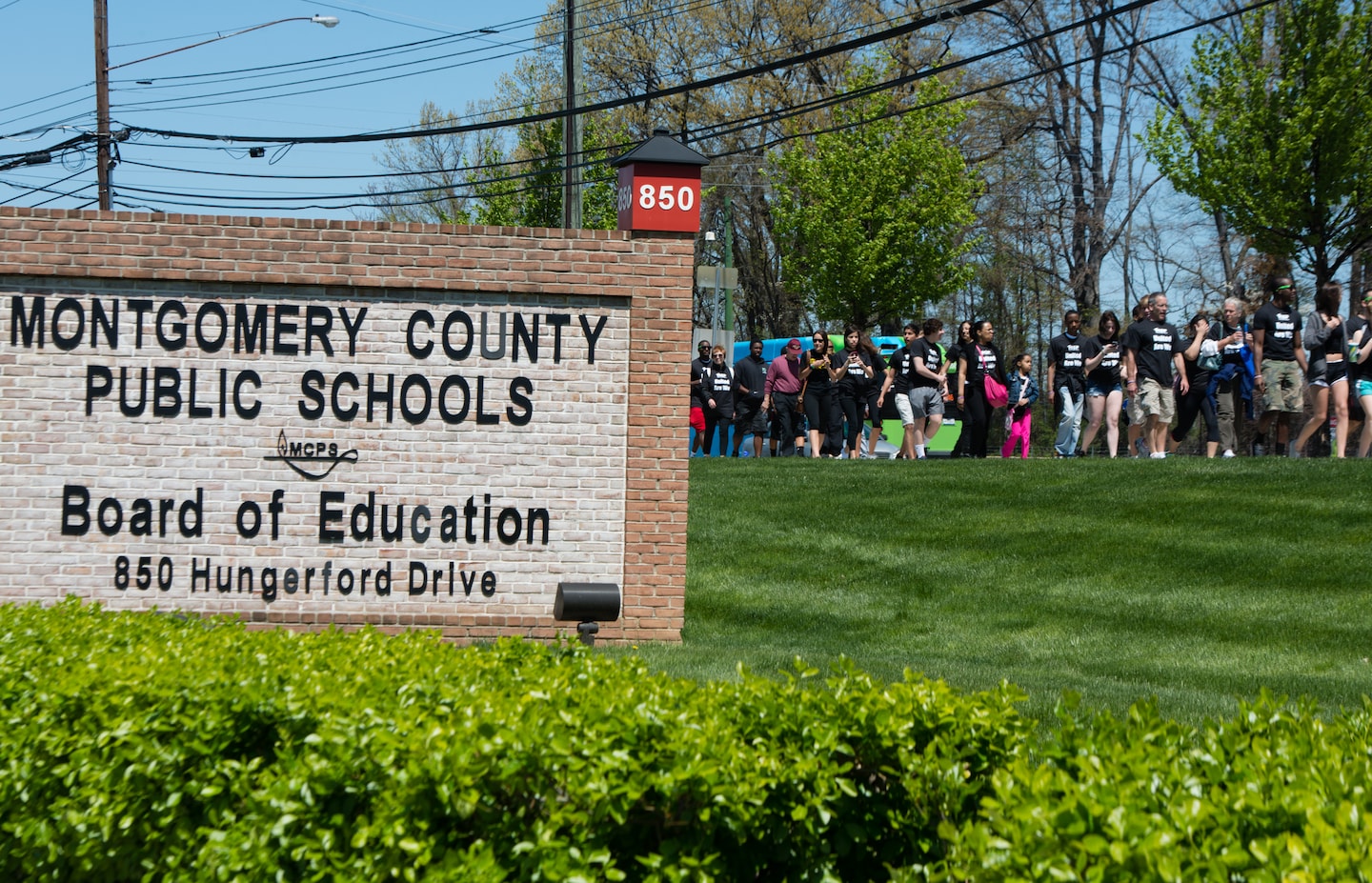
Supreme Court to Review Admissions Policies of Montgomery County Schools
The United States Supreme Court is poised to examine a significant case that questions the admissions criteria applied to a magnet school program in Montgomery County, Maryland. This case raises important discussions about race and educational equity, particularly regarding the impact of admissions practices on Asian American students.
Background of the Case
The core issue at hand involves allegations that Montgomery County Public Schools (MCPS) have implemented admissions policies that are discriminatory towards Asian American applicants. Proponents of the challenge argue that these policies create barriers based on race, leading to inequitable access to educational opportunities in magnet schools.
Legal Proceedings Ahead
As the Supreme Court prepares to hear arguments, the outcome of this case could have far-reaching implications for how school systems across the nation formulate their admission criteria, especially concerning race. The potential for a landmark decision raises questions about the balance between diversity initiatives in education and fair access for all students.
Community Reactions
The case has drawn attention from various advocacy groups, educators, and parents, all of whom express concern over the implications of the Supreme Court’s ruling. Some community members support the challenge, asserting that it highlights necessary reforms in admissions processes, while others worry that focusing on race may undermine efforts to promote diversity within educational institutions.
Conclusion
As the high court prepares to deliberate on this matter, stakeholders are closely monitoring the developments. A decision from the Supreme Court could redefine admissions practices not just in Montgomery County, but potentially set a precedent affecting school districts nationwide.
What’s Next?
The Supreme Court’s review is expected to take place in the coming months. Observers will be keen to assess the legal arguments presented and the court’s eventual judgment, which may reshape discussions surrounding education, equity, and access for years to come.
