


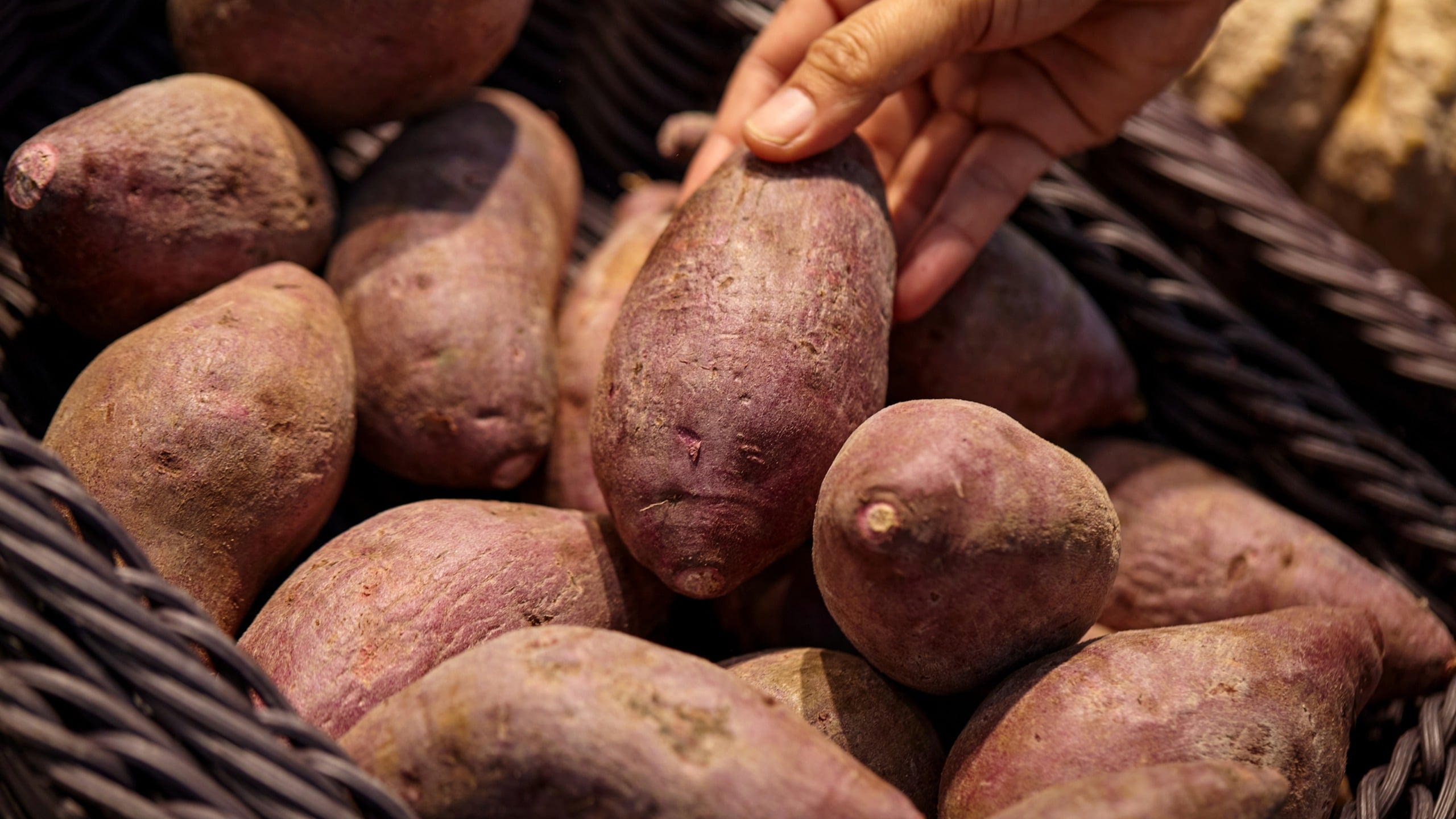
The Surprising Genetic History of Sweet Potatoes
Humans often associate the practice of genetic engineering with modern agriculture, but the roots of genetic modification can be traced back millions of years. Among crops we consume today, the sweet potato stands out as a prime example of an organism that underwent natural genetic modifications long before human intervention.
Sweet Potatoes: A Case Study in Natural GMO
Cultivated over thousands of years in Central and South America, sweet potatoes (Ipomoea batatas) have a complex genetic makeup that includes foreign DNA introduced by a tiny soil microbe known as Agrobacterium. Research published in 2015 documented this unexpected genetic inclusion, which was observed across all cultivated varieties analyzed, but notably absent in their wild counterparts.
The capacity of Agrobacterium to transfer DNA to plants comes from its unique ability to insert a segment of its own genetic material, referred to as transfer DNA or T-DNA, into the host plant’s cells. Once incorporated, these foreign genes can alter the plant’s genome permanently, allowing the plant to express these new characteristics and potentially pass them to future generations.
Scientific Insights on T-DNA
The discovery of T-DNA’s role in plant genetics in the late 1970s sparked new ideas among scientists. By removing the pathogenic aspects of T-DNA, researchers envisioned a method for genetically engineering plants to enhance agricultural traits. This paved the way for the genetically modified organisms (GMOs) we utilize today.
Natural occurrences of T-DNA have been documented in sweet potatoes, where researchers recently uncovered its beneficial roles, such as enhancing temperature resistance, disease resistance, and reducing oxidative stress. A study published in October revealed that genes acquired from Agrobacterium significantly improved the growth and resilience of model plants like Arabidopsis thaliana when these genes were tested.
Other Naturally Modified Foods
Sweet potatoes aren’t alone in their genetic journey. Another Thanksgiving staple, cranberries (Vaccinium macrocarpon), have also been found to harbor genes from Agrobacterium. Research conducted in August revealed that more than 2,600 plant species may possess DNA transferred by bacteria, suggesting that approximately 12 percent of all land plant species could be regarded as natural GMOs.
This includes various ingredients in our holiday meals, from the cinnamon dusting our desserts to the pepper that spices up our turkey dinner.
Acknowledge the Unsung Hero: Agrobacterium
As society grows more aware of genetic modifications, it is essential to recognize that the practice of altering plant DNA precedes human involvement and takes place through natural processes in nature. The work of soil microbes like Agrobacterium highlights a unique aspect of plant evolution, revealing how beneficial traits can emerge and persist through time.
This Thanksgiving, as we enjoy sweet potatoes and other genetically enriched foods, perhaps it’s time to appreciate the complex interactions that have shaped these crops far beyond human cultivation.
This article is fact-checked for accuracy and completeness. If you find any inaccuracies, please inform us.
