


AI Stock Market Dynamics: Insights and Outlook
Introduction to Recent Trends in AI Stocks
At the start of 2026, enthusiasm surged among investors for technology stocks, driven by remarkable advancements in artificial intelligence (AI) and an expectation of explosive growth. Notable companies such as Bloom Energy (BE), SanDisk (SNDK), and Advanced Micro Devices (AMD) reported substantial gains, each soaring over 100%. However, a significant shift occurred in the latter part of the year. Despite major market indices nearing record highs, leading AI stocks faced considerable declines, with some down by 50% or more from their 2026 peaks.
Factors Behind the Recent Decline in AI Stocks
Market Correction and Profit Taking
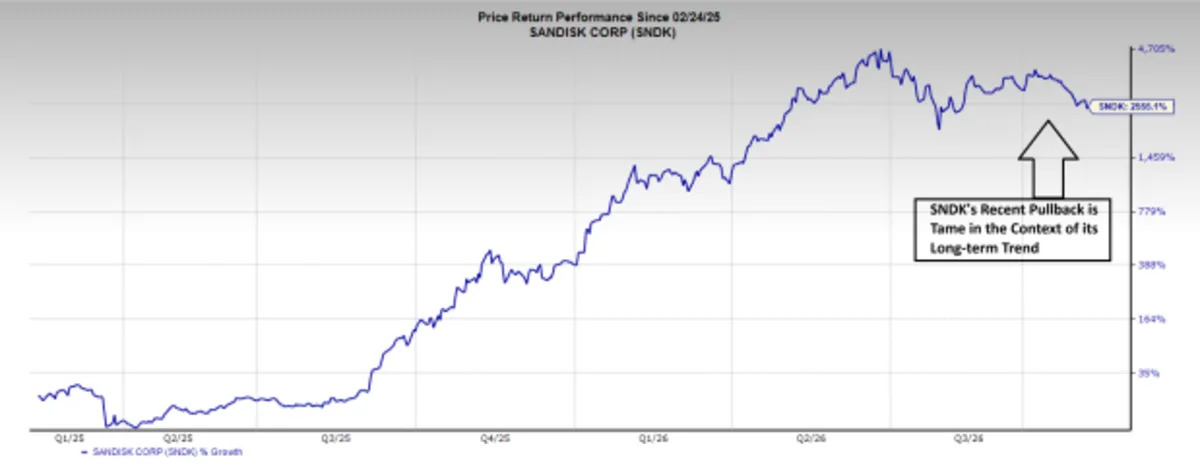
The current downturn, although distressing for investors who entered at highs, is a typical phase within a bullish market. For instance, SanDisk experienced a remarkable increase of about 2,800% from August 2025 to June 2026. Such significant gains often trigger profit-taking as investors capitalize on their investments. Recently, SanDisk has been testing its 200-day moving average, a critical indicator of long-term trends, highlighting a natural correction phase as even the strongest stocks cannot avoid market pressures.
Concerns Over AI Company Debt
Recently, the atmosphere surrounding AI investments has grown cautious, particularly regarding corporate debt levels and spending in the AI sector. The situation escalated when CoreWeave (CRWV), a frontrunner in AI cloud services, saw a precipitous drop in its unsecured bond prices, leading yields to spike to a concerning 15%. This market reaction has severely affected CoreWeave’s shares, which have dipped nearly 40% in October, negatively impacting other AI-related companies like Nebius Group (NBIS).
CoreWeave, initially focused on Bitcoin mining, transitioned to provide AI data center services amidst the downturn in cryptocurrency markets. The company incurs substantial upfront costs to build AI infrastructures—requiring significant capital investments ahead of securing client contracts.
Alternative Perspectives from Betting Markets
While mainstream narratives are fixated on potential bankruptcies, betting markets offer a different outlook. For example, bets placed on Polymarket indicate only an 11% likelihood that CoreWeave will file for bankruptcy by the end of next year, suggesting a more optimistic view from those with actual financial stakes in the outcome.
Industry Insights from NVIDIA’s CEO
Jensen Huang, CEO of NVIDIA, a leader in AI technology, addressed financing concerns at the GTC conference in Berlin. He stated, “Everything else will get solved when demand is high. You can’t solve the absence of demand. But when demand is high, everything else will get taken care of. I am quite confident that they will find solutions.” Huang emphasizes that the demand for AI services is robust and that companies can expect capital solutions to emerge alongside customer needs.
The Future of AI Capital Expenditure
The current wave of investment in AI has already become one of the most extensive industrial buildouts in history, and despite concerns that expenditure may have peaked, recent data suggests an acceleration in AI spending. Earnings reports from major companies reveal that a significant portion of revenues is now derived from AI-related initiatives. For instance, Elon Musk projected SpaceX’s annual recurring revenue driven by AI could reach between $500 billion and $1 trillion by 2027. Meanwhile, forecasts from major financial institutions like Wells Fargo predict Meta’s capital expenditure will rise dramatically, showcasing continued investment momentum in the sector.
Conclusion
In summary, despite the recent declines in AI stocks and the heightened anxiety around corporate debt, the fundamental growth prospects in the AI sector appear solid. As the industry continues to evolve, investors and stakeholders remain vigilant, ready to navigate this transformative landscape.
