


The Future of Timekeeping: Ditching the Leap Second
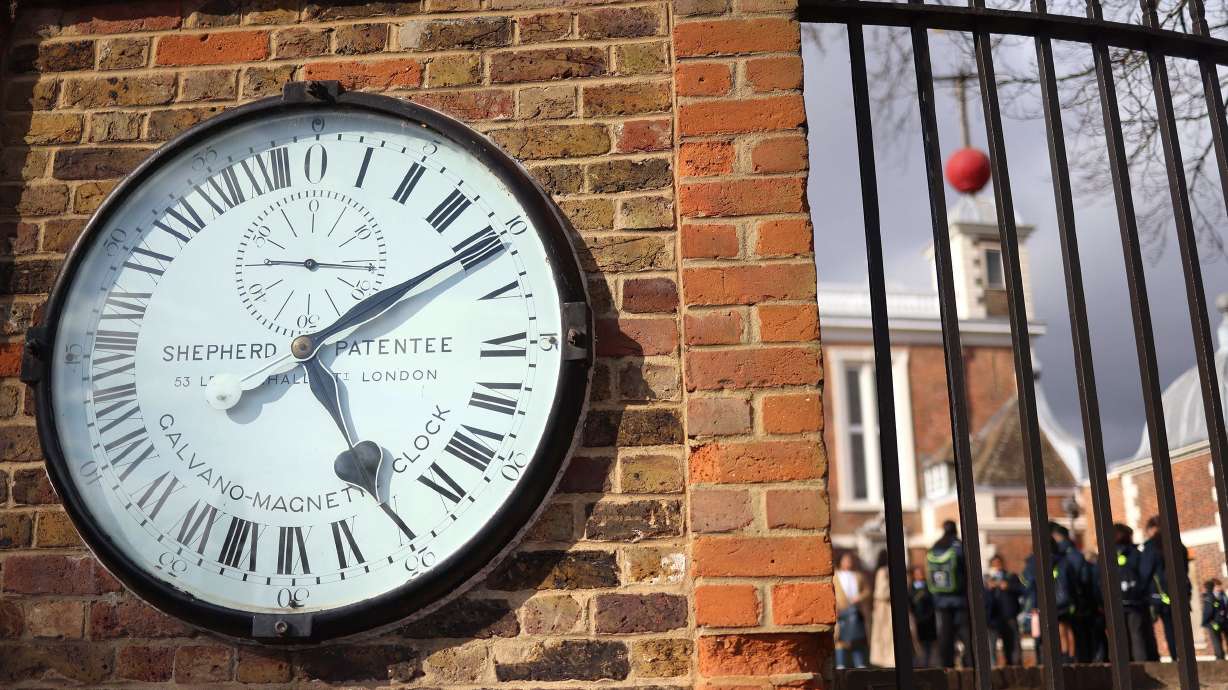
At the Royal Observatory in Greenwich, London—a landmark with a 351-year history—noon is defined when the sun is directly above the meridian line. This setting has played a pivotal role in establishing time zones worldwide.
Historically, timekeeping was based on the rotation of the Earth and the positioning of celestial bodies. Before the invention of observatories, sundials—simple devices casting shadows—were the primary tool for tracking time. However, as modern technological advances continue to develop, this connection between natural phenomena and contemporary time management is under threat of discontinuation.
The Leap Second Debate
International time regulators, represented by the International Bureau of Weights and Measures (BIPM), are deliberating over the potential cancellation of the leap second—an adjustment made to align Coordinated Universal Time (UTC) with Earth’s unpredictable rotational speed. This proposal is set for a decisive vote in Versailles, France, and if approved, could take effect by May 2027.
Leap seconds have been introduced 27 times since 1972, ensuring synchronization between astronomical time and the precise time maintained by atomic clocks. While atomic clocks, developed in the mid-20th century, offer an ultra-accurate measurement by tracking atomic vibrations, Earth’s rotation remains inconsistent due to various natural factors such as gravitational forces from the moon and geological activity.
Challenges of Leap Seconds
While leap seconds might go unnoticed by the general population, their insertion can disrupt systems that depend on exact timing. Examples include high-frequency trading platforms and data servers, which experienced significant outages in past leap second implementations. Tech giants like Meta have voiced their concerns, labeling leap seconds as a considerable source of operational difficulties.
Jeff Sherman, a leader at the National Institute of Standards and Technology, explained the dilemma between adhering to astronomical time and trusting more reliable, laboratory-based timing systems. As Earth’s rotation slows, the need to address the synchronization of time formats has become more pressing.
Urgency and Future Considerations
Recent discussions among BIPM members have sparked urgency regarding the potential removal of the leap second due to predictions that a negative leap second may soon be required—a historic first that could further complicate global timekeeping efforts. Experts suggest that the likelihood of needing to subtract a second to maintain synchronization with atomic time may reach 30% by the year 2035.
However, there are dissenting voices in this conversation. Some experts argue against the abolishment of leap seconds, asserting their importance in preserving a timescale that reflects Earth’s natural cycles. Marek Ziebart from University College London emphasized that the existing system maintains a crucial bond with the natural world, which underpins human existence.
A Proposal for Continuous Timekeeping
The BIPM’s proposed resolution would allow atomic time to gradually diverge from astronomical time without introducing further leap seconds. It suggests that the time difference should remain manageable, not exceeding one hour over several millennia. This would effectively defer potential timekeeping challenges to future generations.
Louise Devoy, senior curator at the Royal Observatory, expressed skepticism about any drastic changes to timekeeping affecting daily life, noting individuals’ reliance on technology and natural cycles. Acknowledging the cultural legacy of Greenwich in timekeeping history, she concluded that the proposed shifts would likely remain unnoticed by most.
