


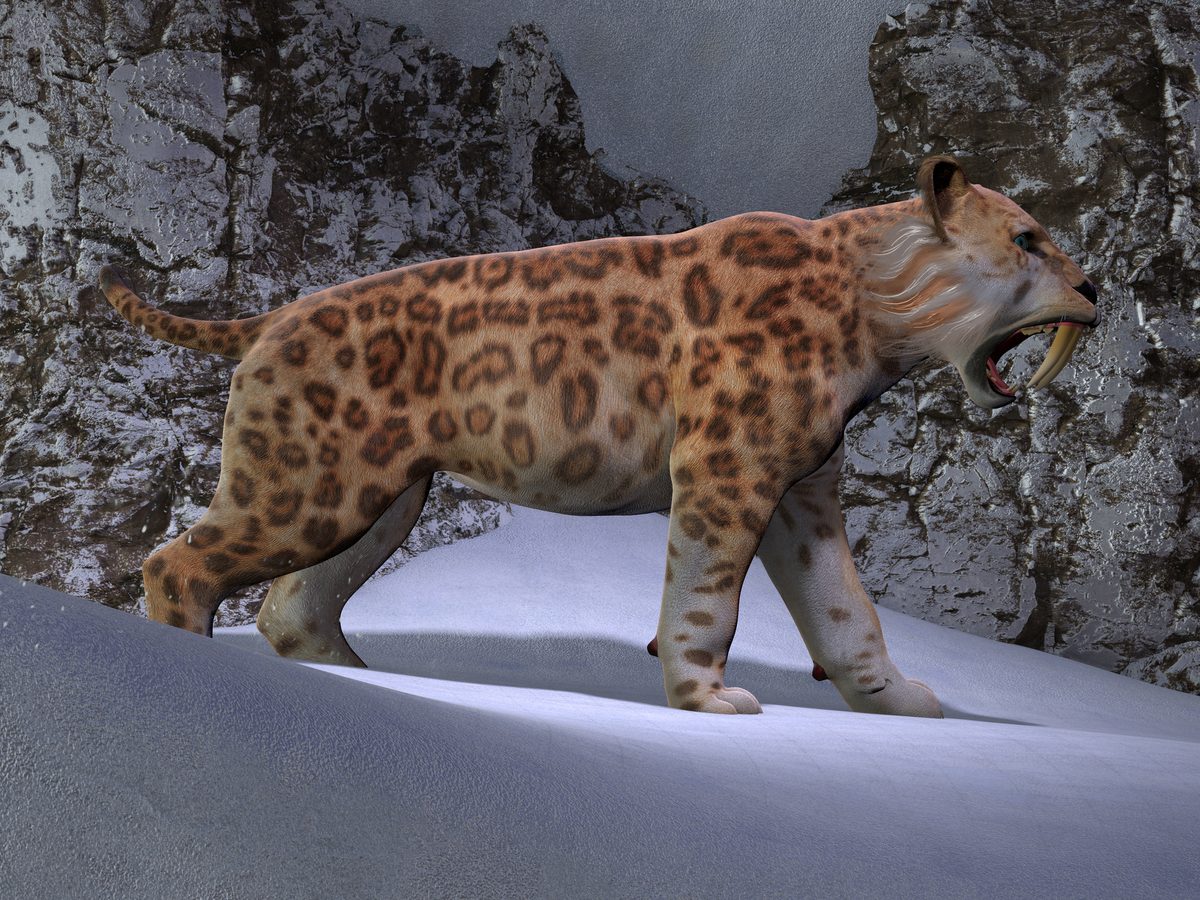
Sabre-Toothed Cats: An Overview of Their Existence
Sabre-toothed cats, despite sharing a distant ancestral link with modern house cats, were formidable predators that roamed the Earth millions of years ago. Known scientifically as Machairodontinae, these remarkable carnivores evoked a sense of awe and fear, existing alongside early human ancestors and capturing the imagination throughout history.
Understanding Sabre-Toothed Cats
The term “sabre-toothed cats” encompasses a diverse group of extinct felids classified under the subfamily Machairodontinae. While often referred to as “sabre-toothed tigers,” this nomenclature is inaccurate since they predated modern tigers and belonged to a separate evolutionary lineage.
These cats exhibited remarkable diversity in size, ranging from species akin to lynxes to those larger than contemporary lions and tigers. Originating in Eurasia during the Middle Miocene, they spread across most continents, with the exception of Australia and Antarctica, illustrating their adaptability and dominance as top predators from the Middle Miocene to the Early Pliocene.
Diversity of Species
Scientists recognize around 50 species of sabre-toothed cats distributed across approximately 15 genera. Iconic members include Smilodon, Homotherium, and Megantereon. When including the so-called “false sabre-toothed cats,” or nimravids, the number of cat-like organisms with sabre-shaped canines could exceed 80.
Nimravids, although resembling sabre-toothed cats in morphology, actually belong to a distinct lineage within the larger category of feliforms.
Physical Characteristics of Sabre-Toothed Cats
Sabre-toothed cats are characterized by their oversized canines and robust body structure. Unlike the sleek forms of modern big cats, these prehistoric felids were generally stocky, with disproportionately large forelimbs that facilitated grappling prey.
For instance, Smilodon, a quintessential representative, showcased powerful forelimbs, while other species like Homotherium displayed a more slender physique akin to modern lions, with shorter canines often obscured by fleshy lips.
Habitat and Distribution
Sabre-toothed cats inhabited various environments, typically favoring grasslands, river valleys, and forest peripheries. Their ability to camouflage within low vegetation aided their ambush hunting strategies. These habitats flourished with diverse mammalian life, including bison, camels, and giant ground sloths—prey that sabre-toothed cats targeted.
Function of Their Imposing Canines
The distinctive canines of sabre-toothed cats have prompted extensive speculation regarding their purpose. Initially, some theories posited that these teeth were primarily for social signaling or mating displays. However, evidence suggests that the presence of large canines in both sexes indicates a functional role in hunting.
Hunting Techniques
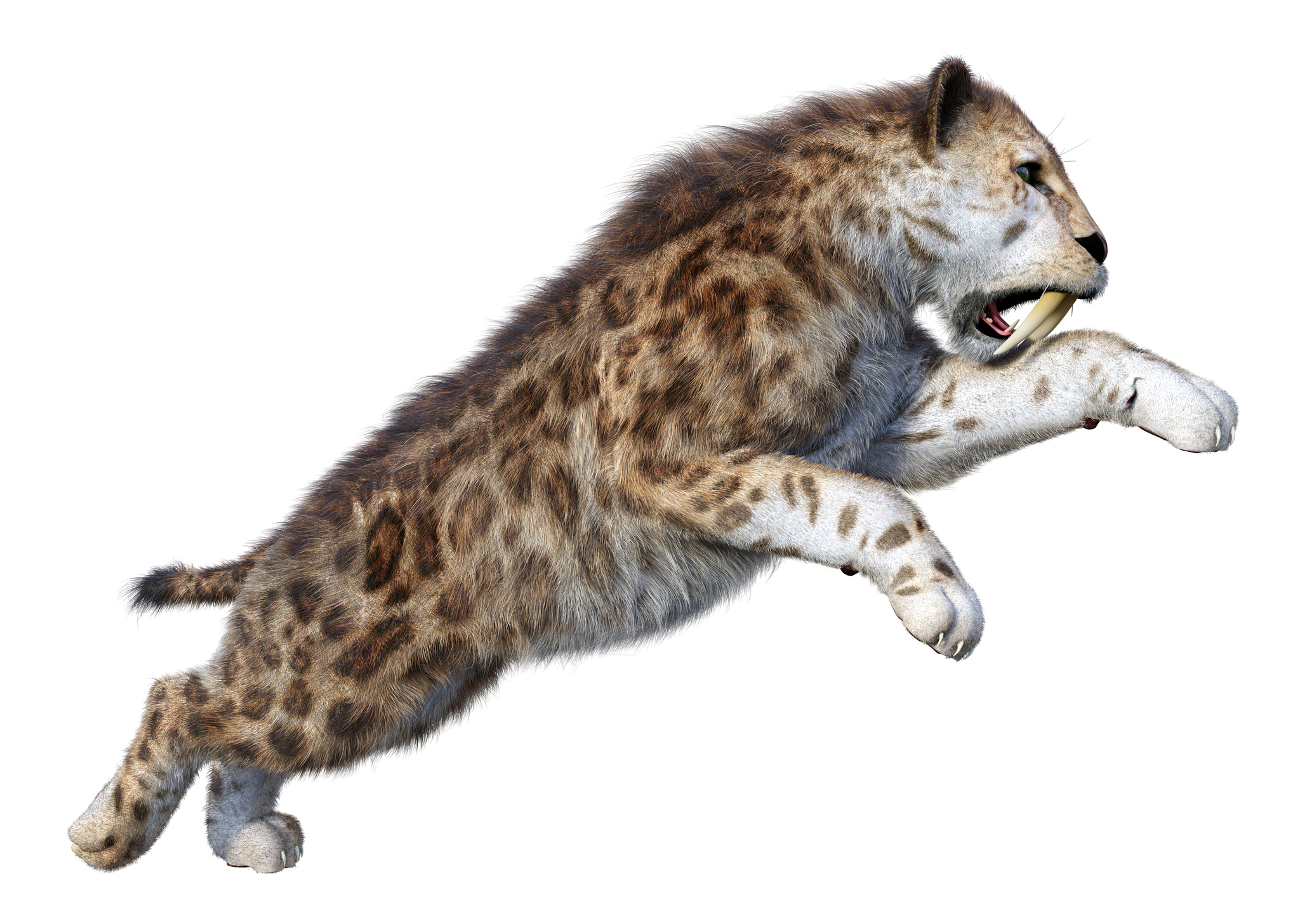
The hunting methods employed by sabre-toothed cats varied based on species. Homotherium is notable for its pack-hunting strategy, somewhat analogous to that of modern lions, allowing it to tackle formidable prey like juvenile mammoths. Evidence from archaeological sites suggests they may have been skilled at dismembering these large herbivores for transport.
Conversely, stockier species such as Smilodon likely relied on solitary ambush tactics. Researchers argue about their precise method of delivering fatal bites, with hypotheses ranging from crushing windpipes to inflicting deep cuts on major blood vessels or delivering swift abdominal slashes.
Interactions with Early Humans
During the Late Pleistocene, early humans coexisted with sabre-toothed cats, often competing for the same prey across expansive territories known as the Mammoth Steppe. Archaeological findings, such as spear points in conjunction with Homotherium remains, indicate that these ancient humans likely encountered sabre-toothed cats frequently.
The discovery near Schöningen, Germany, illustrates not only the competition for resources but also the potential for direct interactions, as indicated by signs of human tool use in the vicinity of sabre-toothed cat remains.
Extinction of Sabre-Toothed Cats
Approximately 10,000 years ago, the last known species of sabre-toothed cats, including Smilodon and Homotherium, faced extinction. This disappearance is generally attributed to a combination of climate change and human activity. As the climate shifted, the habitats conducive to their survival dwindled, leading to a decline in prey availability.
Recent studies analyze the health consequences of inbreeding among dwindling populations, indicating increased incidences of physical deformities that may have contributed to their decline. While climate change initiated their downfall, the growing presence of humans likely delivered the final blow, further competing for resources and modifying ecosystems.
