


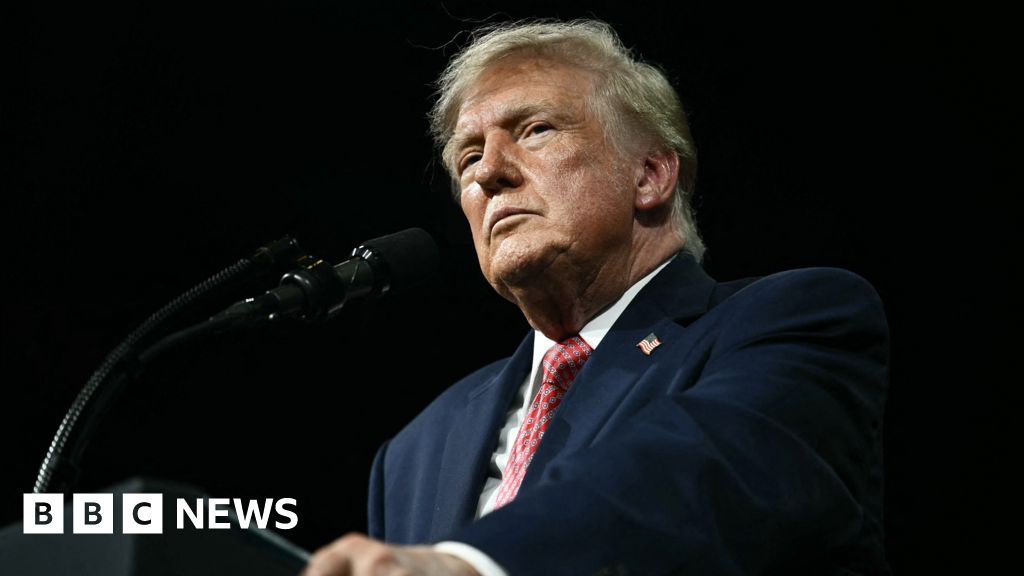
Trump Ordered to Testify in Defamation Lawsuit Against the BBC
A U.S. judge has mandated that former President Donald Trump must provide a deposition in relation to his ongoing $10 billion defamation lawsuit against the BBC. The judge has set December 11 as the deadline for Trump to answer questions under oath.
Key Developments in the Case
- The deposition is a crucial aspect of Trump’s lawsuit regarding statements made by the BBC that he contends are defamatory.
- The court has emphasized the importance of this deposition, hinting that failure to comply could result in severe consequences for the case.
- Experts speculate on the possibility of Trump potentially withdrawing from the deposition, given his history in contentious legal situations.
- Observations from legal analysts suggest that the outcome of the deposition could significantly influence the trajectory of the lawsuit.
Implications of the Order
By ordering Trump to testify, the judge reinforces the legal process’s necessity in addressing the claims brought forth by the former president. If Trump does not adhere to this requirement, the court could entertain motions to dismiss the case, which would adversely affect his pursuit of damages.
Former Legal Perspectives
A former attorney from Trump’s administration hinted at the possibility that he might “walk out” during the deposition process, reflecting Trump’s known assertive demeanor in legal contexts. This commentary underscores the unpredictability surrounding Trump’s legal strategies and responses during critical judicial proceedings.
Conclusion
The case continues to evolve as the December deadline approaches, with various legal experts and observers keenly monitoring the developments. The implications of the deposition may extend beyond this individual lawsuit, potentially influencing media and public perceptions of Trump as he navigates ongoing legal challenges.
For more information on legal matters concerning media and defamation cases, you can visit this source.
