


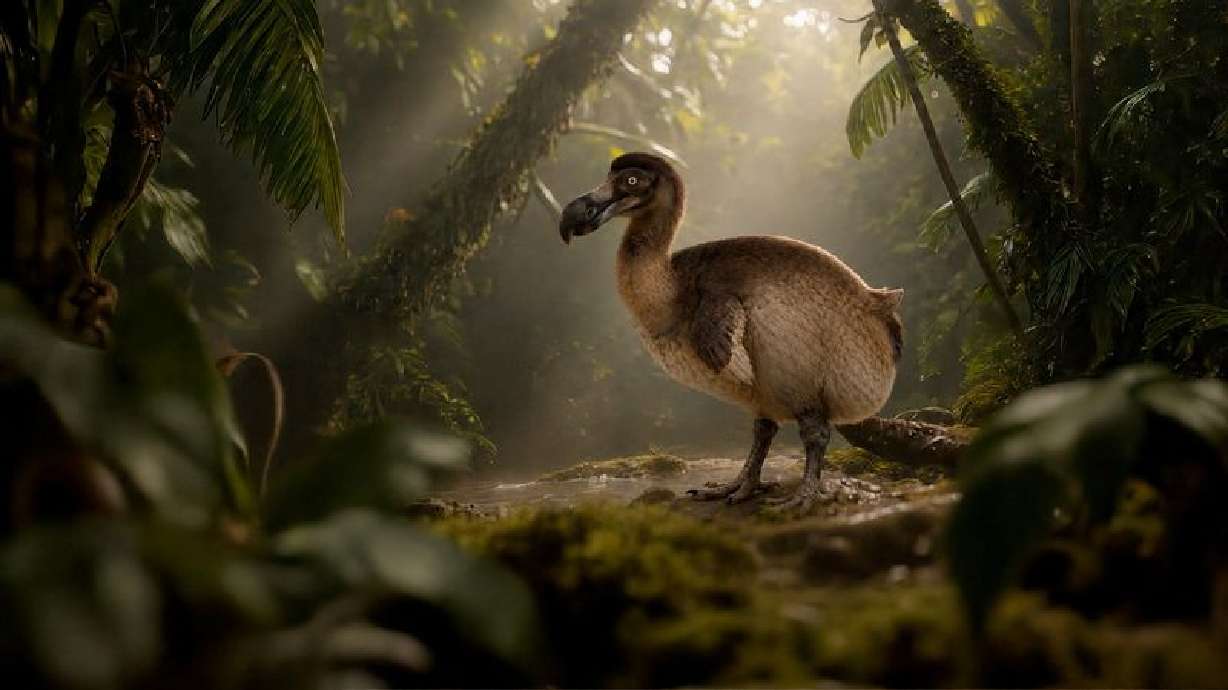
Colossal Biosciences Advances in Dodo De-Extinction Efforts
DALLAS — A pioneering biotech firm, Colossal Biosciences, is making significant strides in an ambitious project to resurrect the dodo, the iconic flightless bird that became extinct in the 17th century due to human activity. This effort aims to reintroduce the dodo to its native habitat on Mauritius, where it once thrived before ecological disruptions led to its demise.
Utilizing AI for Genetic Insights
The Dallas-based company revealed that it has developed a cutting-edge artificial intelligence platform to analyze the genetic makeup of the dodo. This platform, known as GenoMorph, has enabled researchers to pinpoint specific genetic alterations that contribute to the dodo’s unique craniofacial characteristics.
Gene-Editing Targeting Nicobar Pigeons
Colossal plans to apply gene-editing techniques to impart dodo-like features into the cells of the Nicobar pigeon, which is the dodo’s closest living relative. Unlike the extinct dodo, the Nicobar pigeon, native to Southeast Asia, possesses the ability to fly, showcasing a vibrant plumage of green and copper.
Current Progress and Future Aspirations
The company announced that it has nearly completed the dodo genome analysis, reaching 95% completion. Additionally, Colossal has made advancements that could expedite the process of determining the effectiveness of genetic modifications. However, no specific timeline for achieving a viable dodo hatchling has been disclosed.
Commitment to De-Extinction
Colossal Biosciences has dedicated itself to the concept of “de-extinction” – a bold initiative aimed at restoring species that have vanished. Alongside the dodo, the firm is also working on the revival of several other extinct species, including the dire wolf, woolly mammoth, thylacine (Tasmanian tiger), bluebuck antelope, and the moa.
Challenges Ahead
According to Ben Lamm, CEO and co-founder of Colossal, the revival of the dodo symbolizes the consequences of human-driven extinction, reminding us that extinction does not have to be permanent. He acknowledged that significant hurdles remain, including:
- Identifying crucial genetic variations relevant to the dodo’s traits.
- Successfully integrating genetic edits into avian cells and ensuring these modifications are passed on to subsequent generations.
- Preparing suitable ecological conditions for dodos in Mauritius, which includes managing invasive species and restoring natural habitats.
Insights on the Dodo’s Legacy
The dodo was a ground-nesting bird, approximately three feet in height and weighing around 50 pounds. Its lack of fear of humans—a consequence of having no prior interactions with them—ultimately contributed to its extinction, with the last confirmed sighting occurring in 1662. Nonetheless, the dodo continues to exist in cultural references, such as its appearance in Lewis Carroll’s “Alice’s Adventures in Wonderland.”
GenoMorph: A Revolutionary Tool
The GenoMorph platform stands out for its innovative approach to analyzing ancient DNA. As per Beth Shapiro, Chief Science Officer at Colossal, it effectively serves as a “treasure map” for discerning the distinctive genetic features of the dodo. Unlike traditional methods that rely on abundant genomic data, GenoMorph examines developmental characteristics of beaks and skulls across over 70 existing bird species, isolating approximately 2,300 genetic targets correlated with beak morphology for further lab validation.
Future Prospects and Collaboration
With a burgeoning colony of Nicobar pigeons—now totaling 36 birds—Colossal is enhancing its research capabilities in avian genetics and development. The firm is collaborating with Mauritian scientists and conservation organizations to strategize the reintroduction of the dodo to its native environment. Plans include:
- Assessing ecological readiness for dodo reintroduction.
- Implementing measures to eliminate invasive predators.
- Engaging local communities to ensure a harmonious restoration process.
As stated by Ben Lamm, “No release sites will be selected until ecological assessments and community consultations are complete, but our ultimate goal is to reintroduce dodos back into their natural habitats in Mauritius.”
