


Valve Addresses Concerns Over AI-Generated Game Clones on Steam
In recent discussions regarding the increasing trend of games being cloned through generative AI technology, Valve has stepped forward to respond to developers’ concerns. Rather than imposing stricter regulations or taking direct action against cloned games, Valve has shifted the responsibility onto developers, suggesting proactive measures they can take to protect their intellectual property.
Developer Conference Insights
At the Steam Indie Connect developer conference held in Korea, Valve representatives Tom Giardino and Marc Wilkinson were questioned about existing measures against AI-produced copies of games on Steam. A developer raised a specific concern about instances where creators have faced threats of having their games cloned.
Valve’s Position
In response, Giardino acknowledged the emerging challenge but noted that it was the first time he had encountered references to games being held for ransom. He pointed out that such issues are generally within the jurisdiction of law enforcement, with Valve willing to provide assistance where possible. Notably, he emphasized Valve’s intention to maintain a non-intrusive stance regarding developers’ use of AI tools, stating, “We don’t want to be gatekeepers telling developers which tools they should or shouldn’t use.”
Recommendations for Developers
Instead of relying on Valve for protection, developers were advised to bolster their defenses against potential copycats through several strategies:
- Build Community Trust: Foster an active community around the game to create a loyal player base.
- Enhance Game Complexity: Create games that feature intricate mechanics which are more challenging to replicate.
- Infuse Originality: Constantly innovate by adding unique features and creative elements that reflect the developers’ vision.
The Challenge of Cloning
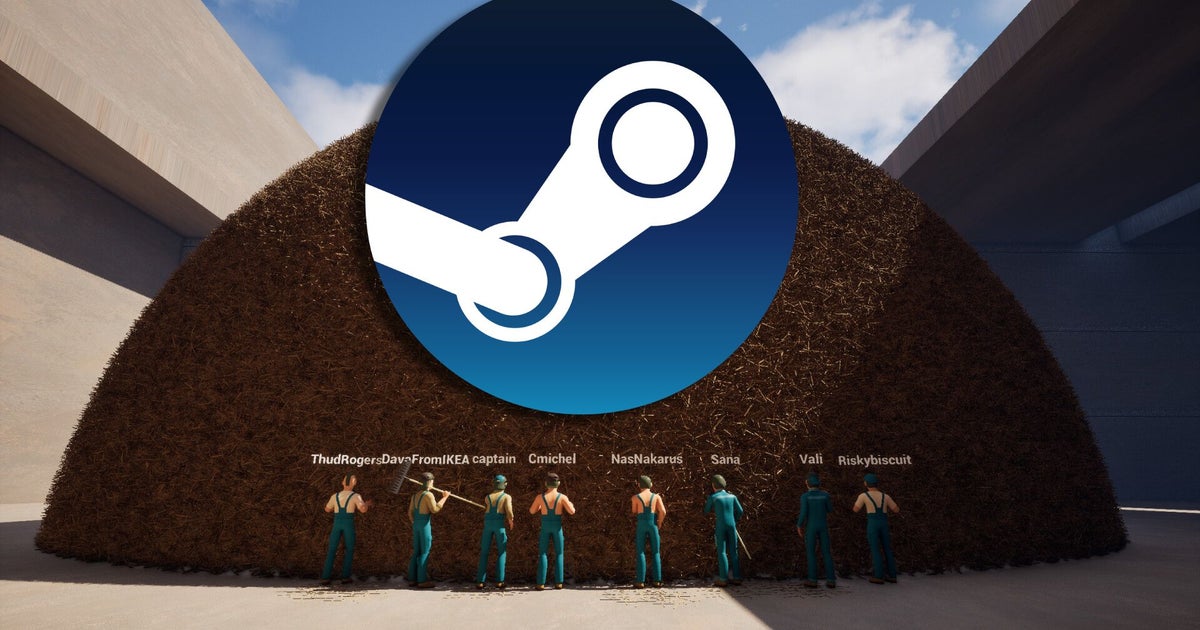
These suggestions come in light of the notable case of the game Needle in a Haystack Simulator, which, prior to its release, has already seen numerous unauthorized clones. The game’s developer humorously remarked that they might need to introduce a mode where players must identify the authentic game among its imitators.
Legal and Market Implications
For many developers, especially those in the indie sector, the prospect of combating clones without Valve’s support can be daunting. Establishing a community and ensuring their game outranks clones is difficult without initial visibility among players. The rapid proliferation of copies forces developers into a challenging “whack-a-mole” scenario, where significant legal resources would typically be needed to seek justice—resources that may be beyond the reach of many small studios.
Valve’s Historical Approach
This scenario isn’t unprecedented for Valve. In 2018, amidst criticism surrounding the types of games permitted on its platform, Valve stated it would take a largely hands-off approach, permitting all titles barring those that are illegal or purely designed to provoke. This policy shift elicited widespread criticism for perceived negligence. Recently, however, the company has taken a different approach by broadly banning certain categories of adult games, unintentionally affecting a range of legitimate, artistic titles.
As the landscape of game development continues to evolve, the question of moderation on platforms like Steam is increasingly pressing, and it remains to be seen how Valve will navigate these complex challenges going forward.
