


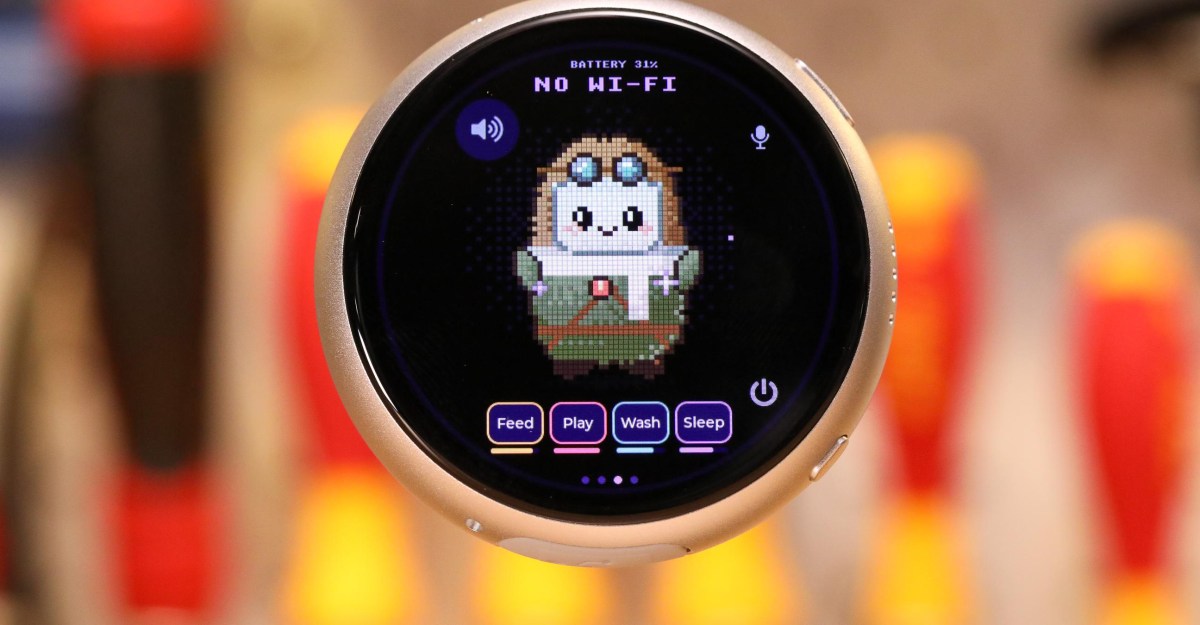
Exploring Meta’s Muse Charm: A Hands-On Review
Introduction to the Muse Charm
This holiday season, Meta is introducing the Muse Charm, a small, friendly AI device designed to be both a companion and a tool, evoking the nostalgia of Tamagotchis. Mark Zuckerberg’s company aims to create an AI that feels approachable and engaging.
The DIY Alternative: Waveshare ESP32-S3
Before the launch of the Muse Charm, a DIY version emerged that captures similar functionalities without the higher costs. The Waveshare ESP32-S3, priced at just $50, serves as a versatile platform to explore AI capabilities, although it lacks some advanced features such as 5G connectivity.
Setting Up the Waveshare Device
Upon receiving the Waveshare pendant, the initial setup process involved connecting it to a PC and integrating it with the Muse app. However, the default programming required modifications to recognize commands instead of audio clips, which led to a slower initial interaction.
Functionality and Use Cases
The Waveshare device works well with the Muse AI environment, allowing for basic tasks such as controlling smart home systems, albeit with some limitations in responsiveness and ease of use. For example, the AI interface initially offered only basic functionality, with a single avatar present to interact with users.
Nonetheless, it also demonstrates capabilities like video streaming from connected devices through a sample application, even if the lack of features such as a remote shutter button for photo-taking reduces its practicality.
Enhancing the Experience with Coding
With some coding guidance from AI resources, users can expand functionality significantly. Features such as a conversation log, improved audio response systems, and even custom avatars can be developed, showing just how much flexibility a DIY approach can offer.
Comparing Muse Charm and DIY Options
The Muse Charm’s pending release raises questions regarding its programmability. Will it allow users the same freedom to innovate and customize their experience as seen in the Waveshare version? Those with programming skills may find the DIY route offers deeper engagement opportunities, while the Muse Charm may target a more general audience looking for simplicity.
Ultimately, the demand for specialized features might make a dedicated device like the Waveshare a more appealing option for tinkerers and enthusiasts who value customization over a seamless out-of-the-box experience.
