


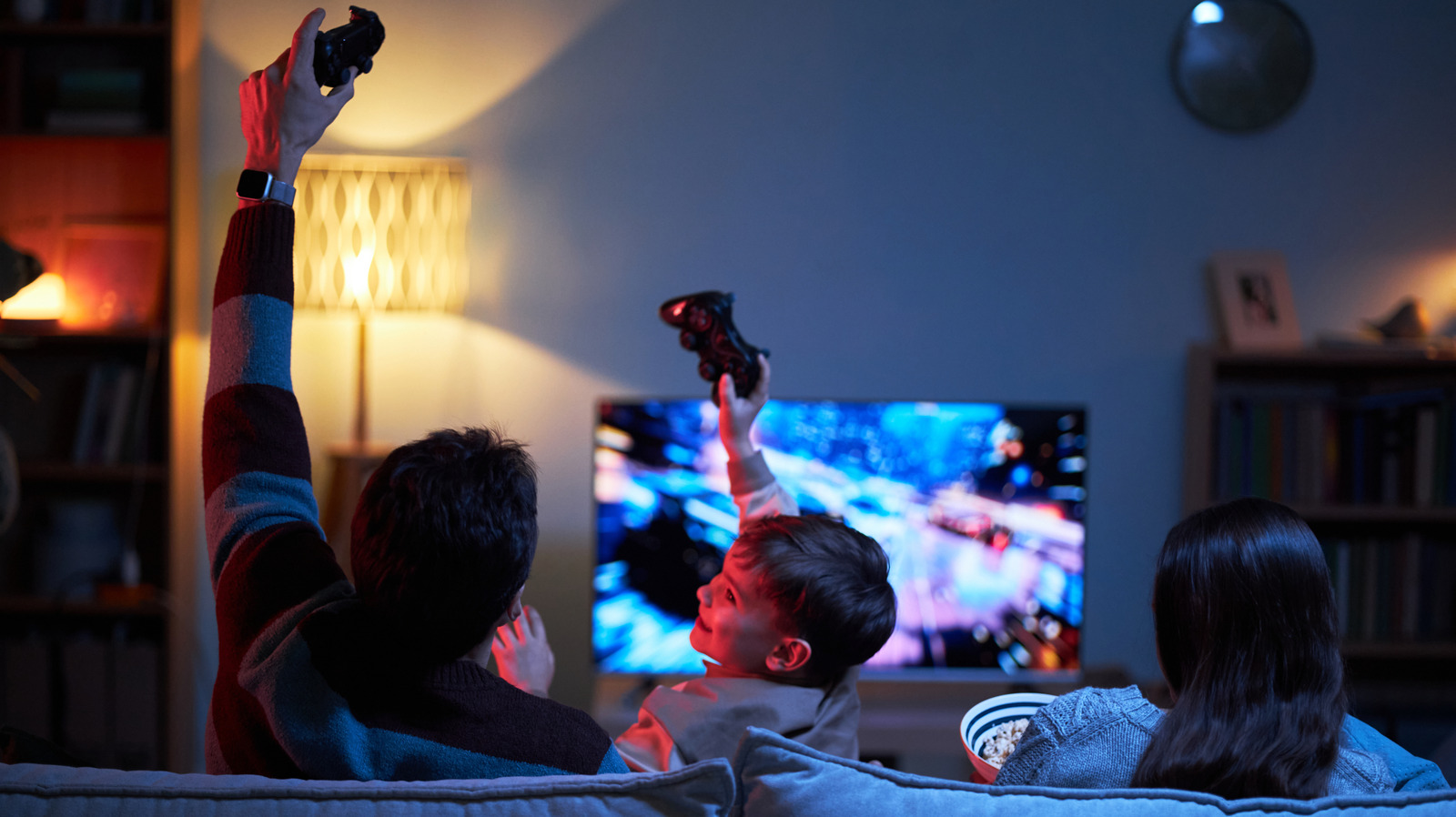
Understanding the Most Affordable Gaming Console in 2026
The landscape of gaming consoles in 2026 reflects significant shifts in both technology and consumer affordability. With giants like Microsoft, Nintendo, and Sony competing for market share, making an informed decision can be quite challenging, particularly due to economic pressures that position gaming as a luxury for many.
Nintendo vs. Xbox: An Analysis of Upfront Costs
In terms of pricing, both the Nintendo Switch and the Xbox Series S are contenders for the title of the most affordable console in the U.S. However, a closer analysis reveals that owning a Nintendo system comes with certain hidden costs. While Nintendo’s pricing may initially appear more appealing, several factors could lead to higher overall expenses.
- Nintendo first-party titles generally do not go on sale, leading to higher individual game prices.
- There are additional software upgrade fees that many users encounter, unlike the free updates associated with Xbox Series X and PlayStation 5 systems.
- Subscription costs for Nintendo Switch Online, approximately $20 annually for individual access, may also accumulate over time when considering the price of certain games.
Comparative Console Pricing
The Nintendo Switch 2 retails for about $500 currently, while the Xbox Series S with a 512GB option is priced similarly. In contrast, the original Nintendo Switch remains available at $230, marking it as one of the most economical choices in the market. However, it is worth noting that the Switch is considered last-gen compared to others available.
Beyond Initial Investment: Ongoing Costs of Console Gaming
Nwz/Shutterstock
Merely considering the upfront costs of purchasing a console is insufficient. Additional factors significantly contribute to the overall expenditure of gaming, including:
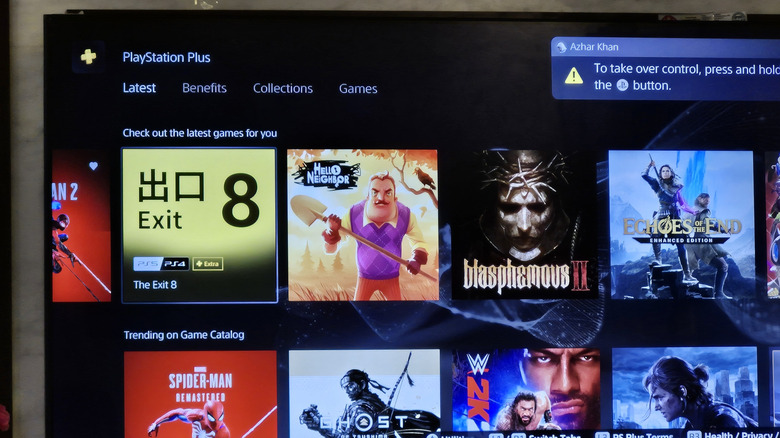
- Game prices: AAA titles on Sony and Microsoft platforms often cost $60 to $80 but can be accessed through subscription services, which offsets some of this expense.
- Subscription services: Sony and Microsoft provide extensive libraries with modern games, contrasting with Nintendo’s comparatively limited offerings for retro gaming through their online services.
- Accessories and additional storage: With Nintendo consoles often not coming with premium accessories or substantial storage options, gamers may find themselves paying more in the long run for peripherals or expanded storage solutions.
The Allure of Retro Gaming
Artmarie/Getty Images
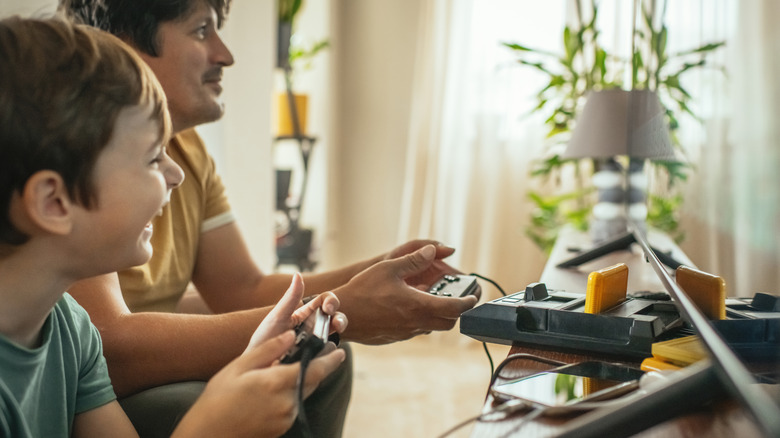
For those considering retro gaming, costs can vary significantly. Collectors may face steep prices for certain limited editions, while standard models are generally more affordable. Here are some insights into retro gaming expenses:
- Used consoles, such as the Nintendo GameCube, are typically priced around $100, while rare variants like the Panasonic Q may exceed $1,600.
- Common retro consoles, like the PlayStation 2, range from $100 to over $200, depending on their condition and included accessories.
- Finding games can prove challenging, as many titles predate digital distribution and are only available in physical formats.
Despite the challenges of acquiring retro games, the second-hand market remains robust, with various platforms available for consumers to explore.
