


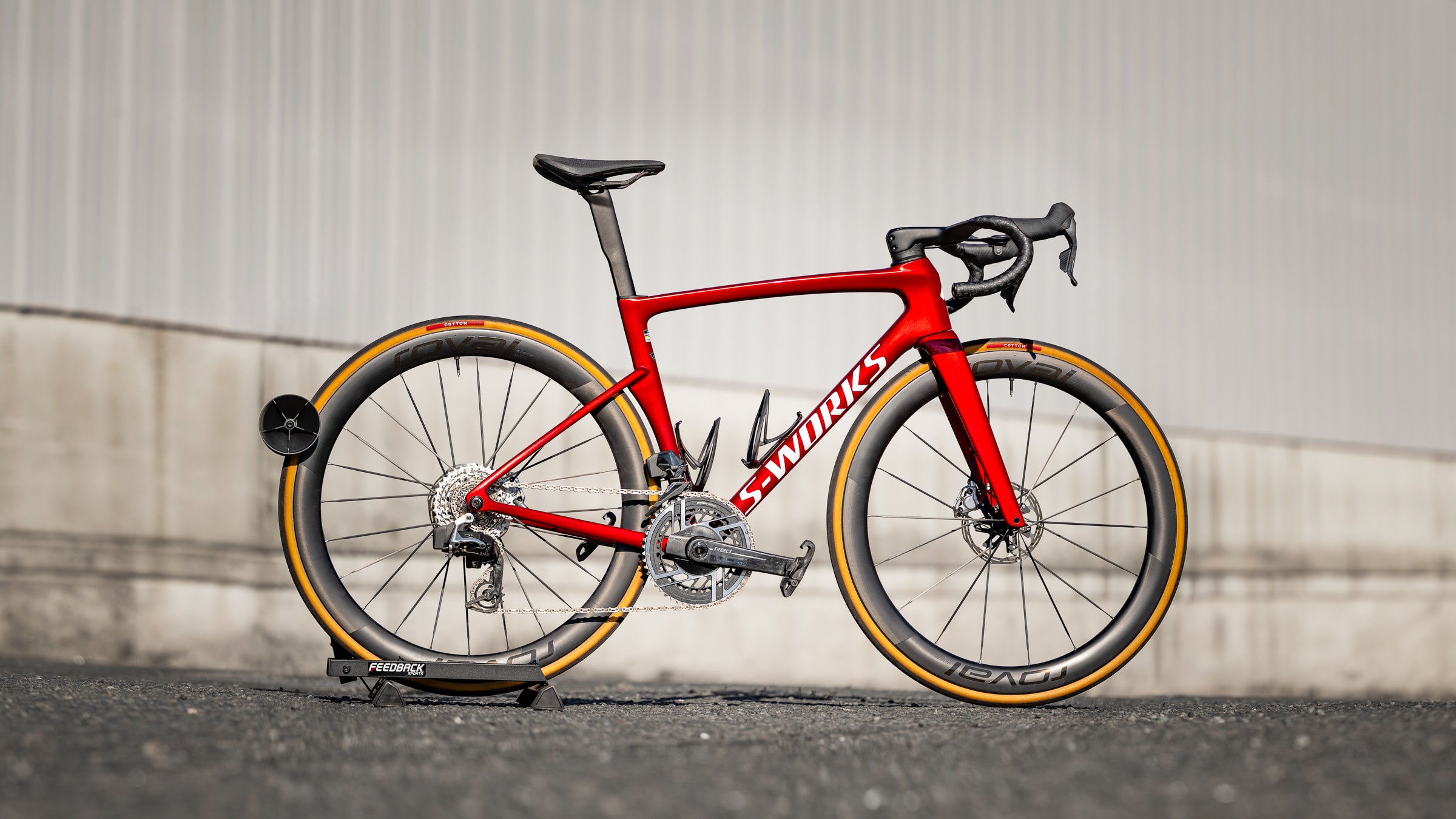
Analyzing the Specialized Tarmac SL9 and Factor ONE: A Detailed Comparison
In the world of road cycling, few discussions are as vibrant as those revolving around the Specialized Tarmac SL9 and the Factor ONE. These two bikes have captured the attention of enthusiasts and experts alike due to their distinct approaches to speed and performance.
Understanding the Design Philosophy
The uniqueness of the Factor ONE has sparked considerable debate among cyclists. Its unconventional design departs significantly from traditional bike aesthetics, which has led some to label it as visually unappealing. However, this design is rooted in aerodynamic data, aiming to maximize speed without concern for conventional appearance.
Consumer Reactions: A Mixed Bag
Feedback from cyclists reveals an interesting dichotomy. Many recognize the Factor ONE’s superior speed capabilities while simultaneously critiquing its design. Comments such as, “The Factor might be faster, but it’s ugly,” emphasize the conflict between perception and performance. This response suggests a broader trend: individuals often prioritize visual appeal in their cycling choices, despite acknowledging performance advantages.
Performance Metrics: Speed and Aerodynamics
When assessing the speed of these two bikes, empirical testing underscores the differences. The Specialized Tarmac SL9 is recognized as one of the fastest in its category, recording 205 watts of drag while tested at 45 km/h. In contrast, the Factor ONE boasts a baseline performance of 202 watts, which can be optimized to approximately 196.8 watts using specific configurations and wheels.
However, it’s crucial to analyze how speed translates in everyday cycling scenarios. While the Factor ONE demonstrates a slight advantage at higher speeds (around 24 mph), the gap narrows significantly at reduced speeds common to most cyclists, where differences might not be perceptible. For instance:
- At 24 mph, the Factor ONE is about 5 watts more efficient.
- At 20 mph, this advantage decreases to approximately 3 watts.
- At 16.7 mph, the aerodynamic benefits of the Factor ONE dissipate.
Weight Consideration: A Factor in Performance
Weight is another critical element in the performance equation. The Tarmac SL9 is significantly lighter at 6.5 kg compared to the Factor ONE, which weighs 7.57 kg. This weight discrepancy can impact performance in varied cycling conditions, particularly during climbs.
The Marketing Narrative: The Role of Perception
The perception of speed associated with the Factor ONE plays a crucial role in consumer choices, despite the Tarmac being arguably the better all-rounder. While the Tarmac excels in practical scenarios, the unique design of the Factor creates a strong marketing narrative around speed that appeals to many riders.
The Future of Cycling Design: Market Implications
Looking ahead, the impact of brand perception on product development is evident. Although Specialized has advanced technological innovations, the general perception is that their design evolution has stagnated. The disbandment of their high-profile models like the Venge has inadvertently led to gaps in their marketing strategy, where visual appeal coupled with high performance could attract consumers.
Conclusion: Balancing Performance and Perception
The debate surrounding the Specialized Tarmac SL9 and the Factor ONE illustrates the intricate balance between performance engineering and consumer perception. While the Factor ONE represents innovation in aerodynamic design, the Tarmac continues to demonstrate its efficacy in real-world cycling scenarios. As the cycling industry evolves, it will be interesting to see how brands address the demand for both aesthetics and performance.
Discussion
As we navigate through these discussions, it’s important to consider what you, the cyclist, value in a bike. Is it the raw speed represented by unconventional design or the proven performance of a more traditional setup? Your thoughts and experiences are invaluable as we delve into these issues further.
