


Historic Political Shift in Mississippi’s Senate Race
Colom Achieves Landmark Victory
Scott Colom, the Democratic candidate for the U.S. Senate, has made history by claiming victory in Forrest County, a region long dominated by Republican voters. As of November 5, with 97% of the votes counted, Colom secured 54% of the votes, defeating incumbent Republican Senator Cindy Hyde-Smith, who garnered 44%. This result reflects a remarkable 29-point shift toward Democratic representation in a county that Donald Trump won in 2024 with 58% of the vote.
A Historic Milestone for Representation
If Colom maintains his lead, he will not only represent a growing Democratic presence in Mississippi but also become the first Black U.S. senator from the state since 1881, a period coinciding with Reconstruction.
Controversial County Name and Its Implications
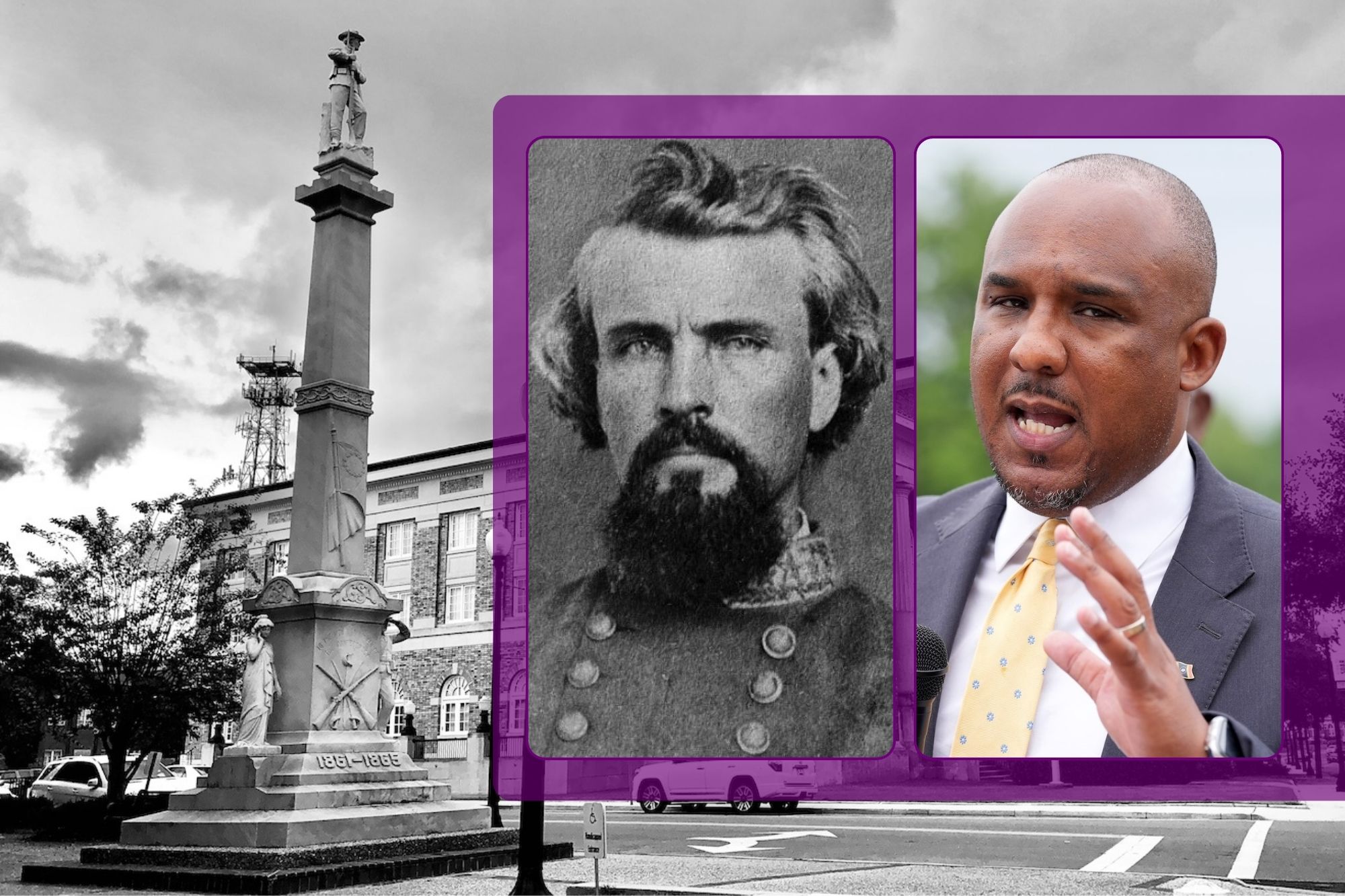
Forrest County, named after Nathan Bedford Forrest, a Civil War-era Confederate general and founder of the Ku Klux Klan, has been a focal point in discussions about racial history and identity in the region. Calls for renaming the county have intensified in light of recent events, with some proposing to simply change ‘Forrest’ to ‘Forest.’
Changing Dynamics in Hattiesburg
Forrest County includes Hattiesburg, which has a significant Black population and is home to the University of Southern Mississippi. In 2020, a referendum to remove a prominent Confederate monument near the courthouse narrowly failed, with residents voting 51% against the removal, despite strong support (85%) within the university community for its dismantling. This monument, erected in 1910, was part of a broader campaign to promote the “Lost Cause” narrative regarding the Civil War.
Legacy of Civil Rights in Forrest County
Forrest County has a rich history of civil rights activism. In the 1960s, various civil rights organizations mobilized in Hattiesburg to fight against discriminatory voting practices. Notably, the county was a hub for the Freedom Summer of 1964, with the “Freedom House” serving as a key center for civil rights education and activism.
One prominent figure from this era, Vernon Dahmer, courageously resisted Klan violence and ultimately lost his life due to his activism. His words, “If you don’t vote, you don’t count,” continue to resonate, symbolizing the importance of civic engagement in this historically charged area.
Moving Forward
As Mississippi approaches its 2026 U.S. Senate election, the evolving political landscape in Forrest County serves as a bellwether for broader trends in the state. Colom’s campaign could signify a new chapter in Mississippi’s political narrative, challenging longstanding affiliations and encouraging increased voter participation.
