


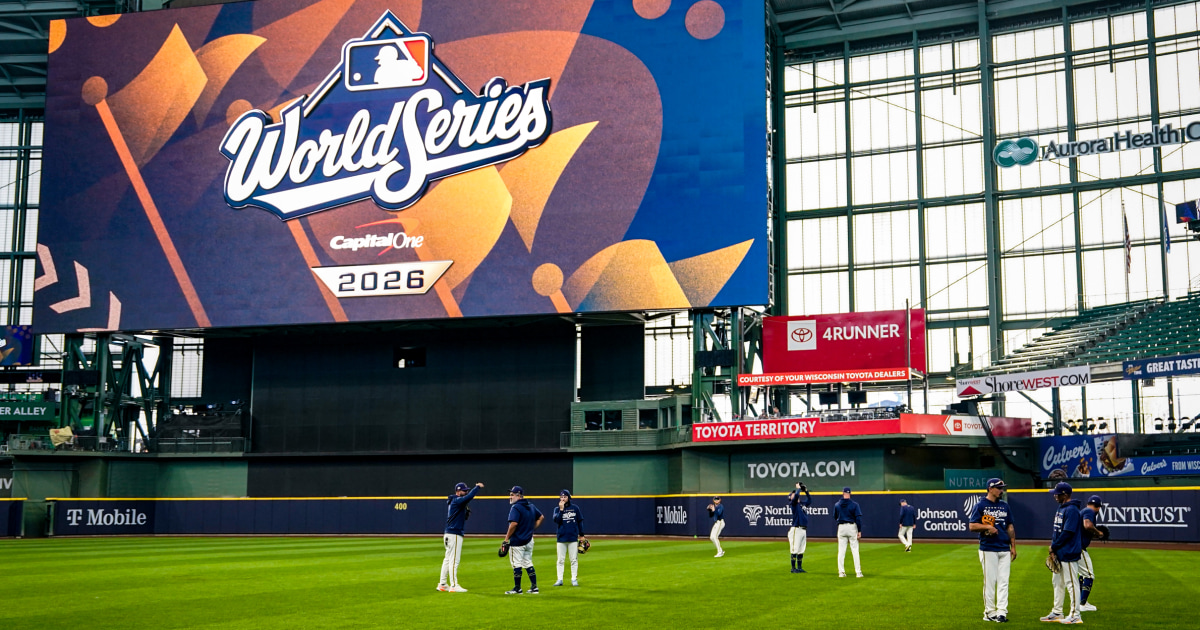
Historic World Series and MLB’s Competitive Balance Debate
The Significance of the 2023 World Series Matchup
This year’s World Series will see a team emerge as champion that operates within the bottom tier of Major League Baseball’s payroll spectrum—a noteworthy event, as the last such instance occurred with the 2015 Kansas City Royals. This championship matchup raises critical questions about the statements made by MLB Commissioner Rob Manfred regarding competitive balance within the league.
Commissioner Manfred’s Stance on Competitive Balance
In July, Manfred emphasized the need to address fan concerns about competitive balance. “In order for this game to reach its full potential, we need to continue to address concerns that our fans have, particularly concerns that go to the core of what we’re about — that is, competitive balance,” he remarked. His comments come amid discussions regarding the introduction of a salary cap, a proposal MLB proponents argue would align payroll with team performance, although this correlation remains disputed.
Players Union’s Response
In contrast, representatives from the players’ union argue that the situation exemplifies that MLB is functioning effectively without the need for a salary cap. Meyer, a spokesperson for the union, stated, “It’s further evidence that the league’s purported ‘competitive balance’ justification for a salary cap holds no water. But that’s never been the real reason why they want a salary cap. They want it to juice their profits and franchise values.”
Anticipating Viewership and Fan Engagement
This World Series matchup raises questions about viewer engagement, particularly as it involves lower-profile franchises. Recent ratings trends will be closely monitored, especially in light of the fact that the combined viewership for this year’s AL and NL Championship Series exceeded last year’s figures, indicating a slight uptick in interest.
Historical Context of Viewership
Recent World Series have seen varying viewer engagement. The last two series, featuring teams like the Los Angeles Dodgers and the New York Yankees, averaged more than 15 million viewers, the highest since 2017. In sharp contrast, the Tampa Bay Rays’ appearances in 2008 and 2020 yielded significantly lower audiences, with the latter series averaging just 9.8 million viewers—the second-lowest average in history according to Nielsen data.
Market Size’s Influence on Playoff Ratings
Market size has shown a notable influence on playoff ratings for franchises like Milwaukee and Tampa Bay. The Rays managed to attract 3.7 million viewers in a matchup against the Cleveland Guardians, while a game against the New York Yankees had a slightly higher figure of 4 million viewers. Comparatively, the Milwaukee Brewers and the San Diego Padres drew only 2.6 million viewers during their Division Series, while a matchup between Milwaukee and Los Angeles attracted 7.9 million viewers.
Conclusion
The unfolding narrative of this World Series not only highlights the competitive landscape of Major League Baseball but also sparks a broader conversation about the economic structures within the sport. As teams from smaller markets vie for the championship, the implications for fan engagement and league policies will remain a focal point for analysis moving forward.
