


HIV Prevention in Zimbabwe: Evolving Attitudes and Community Initiatives
Transformation of the HIV Landscape
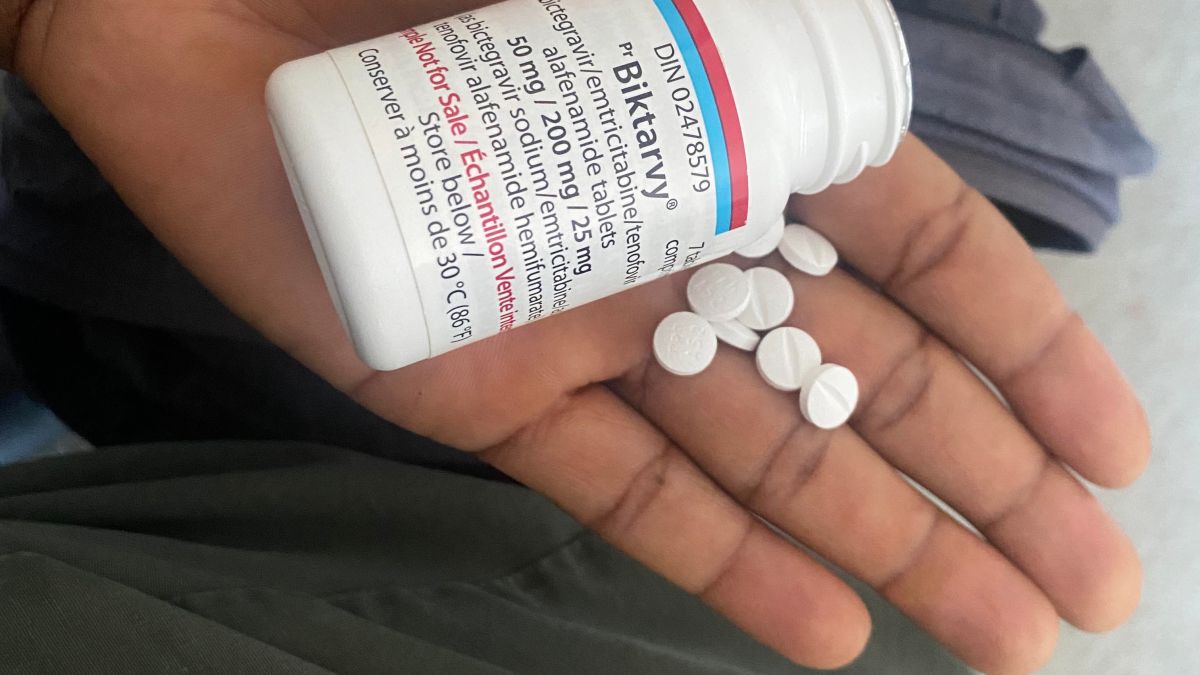
Since the late 1990s, when Shaun Moyo began her nursing career at Parirenyatwa Hospital in Harare, Zimbabwe has seen significant changes in the fight against HIV. Once a rampant crisis with funeral processions commonplace, advancements in medical treatment have dramatically altered the landscape. Today, antiretroviral therapy (ART) and preventive measures such as pre-exposure prophylaxis (PrEP) provide better living conditions for those affected by HIV.
Current Concerns Among Healthcare Professionals
Despite these advancements, Moyo, now 48 and serving in multiple hospitals, raises concerns over a potential disconnect among younger generations regarding the risks associated with HIV. She observes that while this generation has access to effective preventive measures, they may underestimate the real dangers posed by the virus.
Dr. Misheck Ruwende, a family physician, echoes this sentiment, warning that Zimbabwe could lose the substantial gains made over recent decades if young people do not fully engage with available prevention tools. “The sad part is that this is coming at a time we have the best options to prevent HIV,” he remarked, emphasizing the importance of continuous education.
Statistical Progress and Ongoing Challenges
UNAIDS data reveals a notable decline in new HIV infections in Zimbabwe, falling from 79,000 in 2010 to approximately 15,000 in 2023. Infections among young people aged 15 to 24 have also dropped, highlighting the effectiveness of current strategies. However, the ongoing threat of HIV remains, particularly among youth who navigate complex social dynamics and face challenges in accessing health services.
Changing Attitudes Towards HIV
Moyo reflects on the stark contrast between her experiences as a nurse in the 90s and the perceptions of modern youth, who may take for granted the resources now available. This generational shift can lead to a false sense of security regarding HIV and its implications. Anecdotal evidence from conversations on social media indicates a troubling tendency among some young individuals to trivialize the significance of HIV when compared to other health conditions.
Regional Context: Continued HIV Burden
Zimbabwe is not alone in facing these challenges. Neighboring South Africa, for instance, continues to grapple with a high prevalence of HIV, with 7.7 million people estimated to be living with the virus in 2023. Alarming increases in sexually transmitted infections (STIs) further underscore the need for effective public health strategies.
Innovative Approaches to Prevention
Experts advocate for a multifaceted approach that combines new medical advancements with relevant, relatable prevention messaging for younger audiences. Dr. Linda-Gail Bekker highlights the success of innovative solutions such as lenacapavir, an injectable preventive measure that has shown promising results in clinical trials. However, effective communication regarding these options is vital to ensure they resonate with younger demographics.
Community-Centric Initiatives
In an effort to bridge the gap between healthcare services and the youth, Angela Gutu, a 23-year-old peer educator, has spearheaded community initiatives. By setting up pop-up health services at locations frequented by young people, Gutu aims to make health interventions more accessible and less intimidating. These initiatives include offering self-testing kits for HIV and information on PrEP, fostering an environment where young individuals can seek information freely without fear of stigma.
The Role of Health Authorities and Future Directions
Efforts are underway at the governmental level to enhance the accessibility of health services across Zimbabwe. Dr. Innocent Hove, Provincial Medical Officer for Harare, emphasizes the urgency of addressing HIV issues among youth by decentralizing health services and expanding outreach through mobile clinics. Such initiatives promise to reach communities previously underserved by conventional healthcare facilities.
