


Strength in the Primate World: A Look at Earth’s Most Powerful Primates
The primate family showcases an impressive variety of strength and adaptability, with species exhibiting unique muscular characteristics that enable different styles of power. From the brute force of gorillas to the agile strength of gibbons, these animals are a testament to evolutionary prowess in dealing with their environments.
Top Contenders in Primate Strength
Gorilla
The gorilla is the heaviest of all living primates, with large males weighing significantly more than the average human. Silverback gorillas can weigh up to 250 kg, making them approximately 50% heavier than the current World’s Strongest Man. Additionally, they possess an arm span that can reach 2.7 meters, outmatching human reach and power.
Chimpanzee
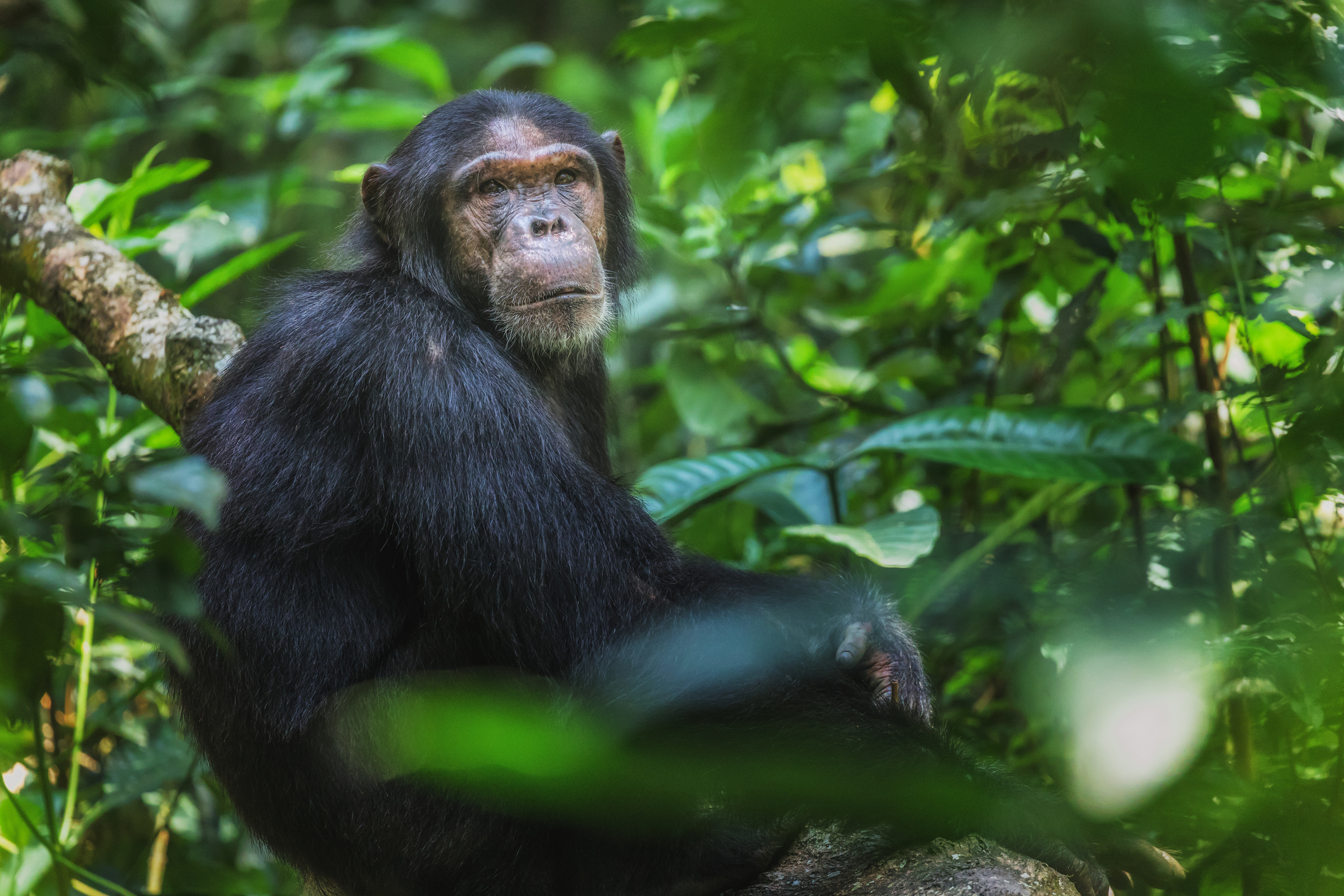
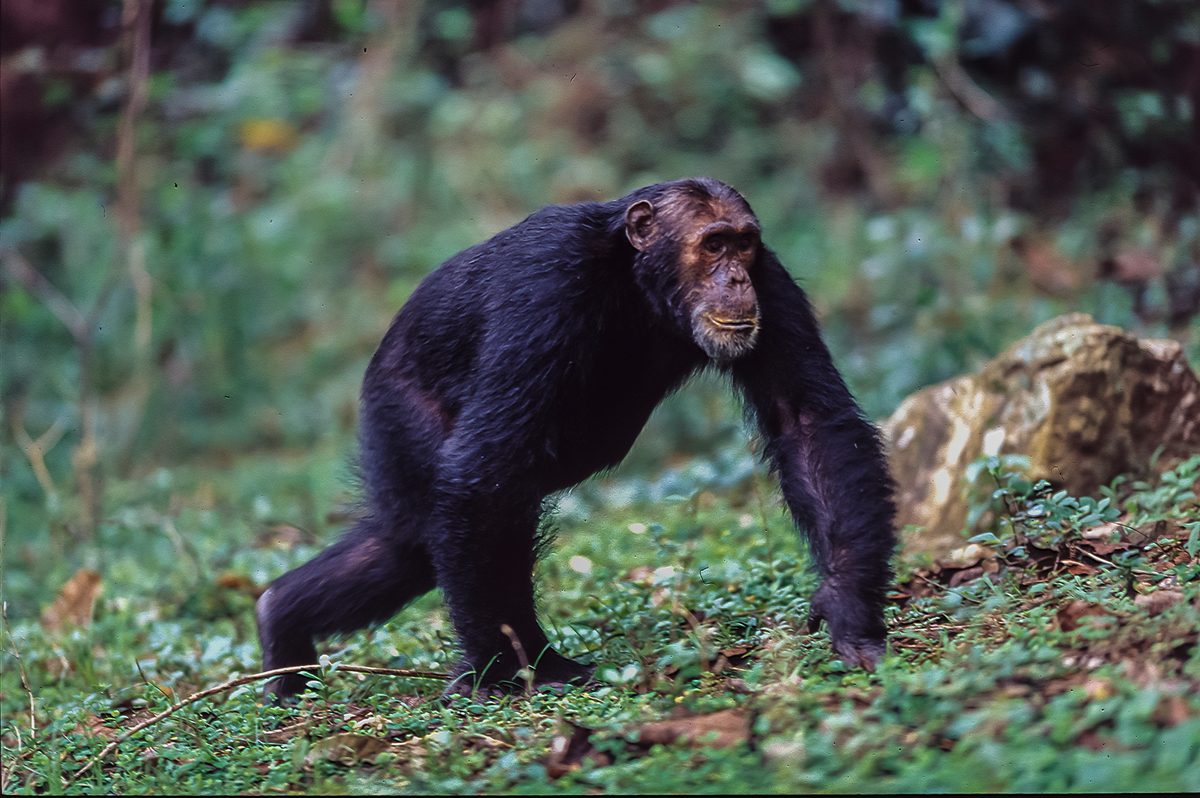
Chimpanzees, while lighter than gorillas, boast greater muscle power relative to their weight. Research indicates that their muscles generate approximately 35% more force per kilogram than human muscles, with wild chimpanzees likely being stronger than their domesticated counterparts. This inherent strength enhances their capabilities, especially in survival scenarios.
Humans

Humans excel in endurance rather than sheer strength. An evolutionary advantage lies in our ability to throw objects with remarkable speed and distance, a skill attributed to the development of our shoulder and arm configuration. This adaptation likely provided substantial advantages in hunting and gathering.
Tufted Capuchin
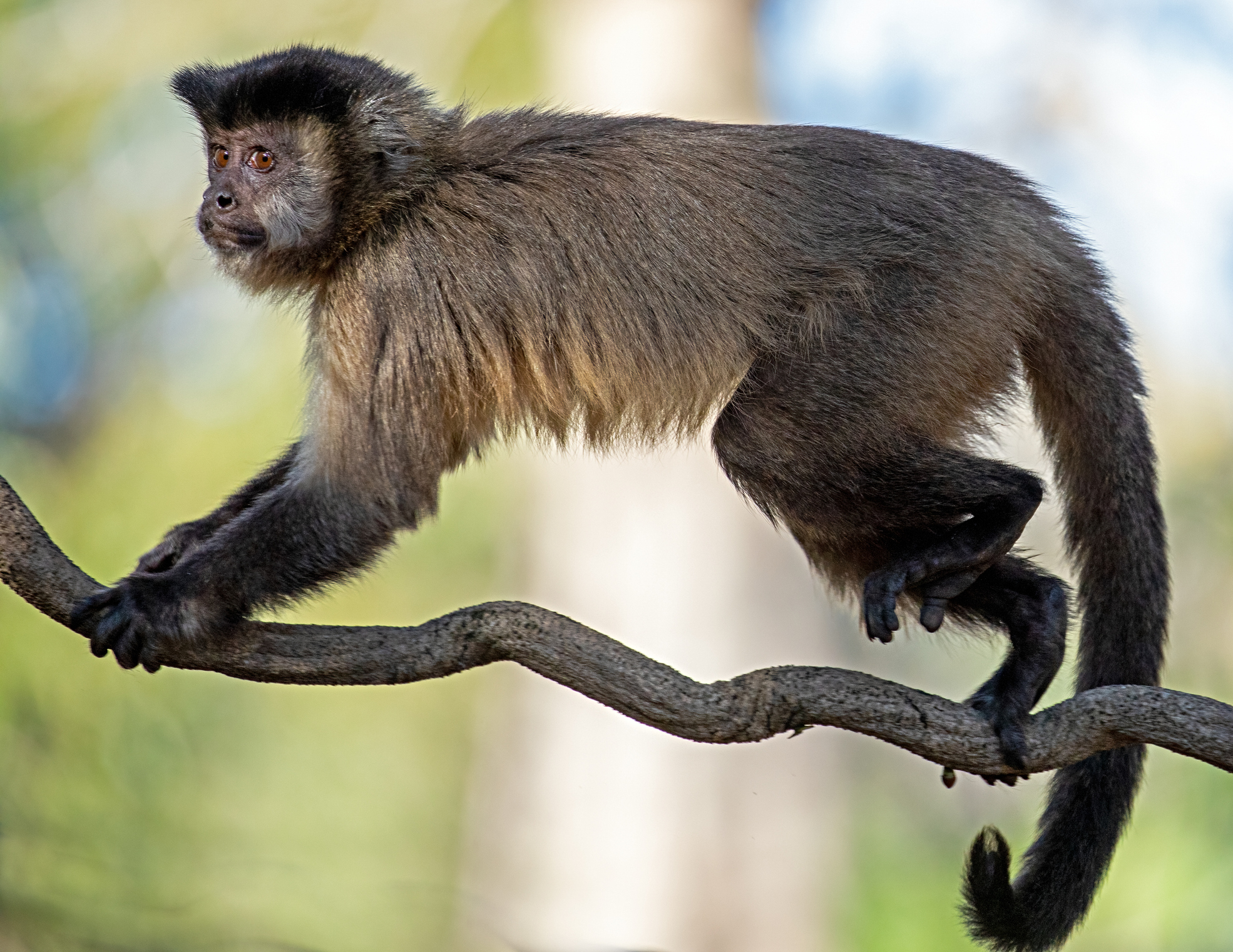
Despite often measuring the size of a domestic cat, tufted capuchins exhibit considerable strength. Equipped with strong jaw muscles, they can crack open tough nuts and utilize rocks as tools, showcasing intelligence combined with remarkable physical prowess.
Potto
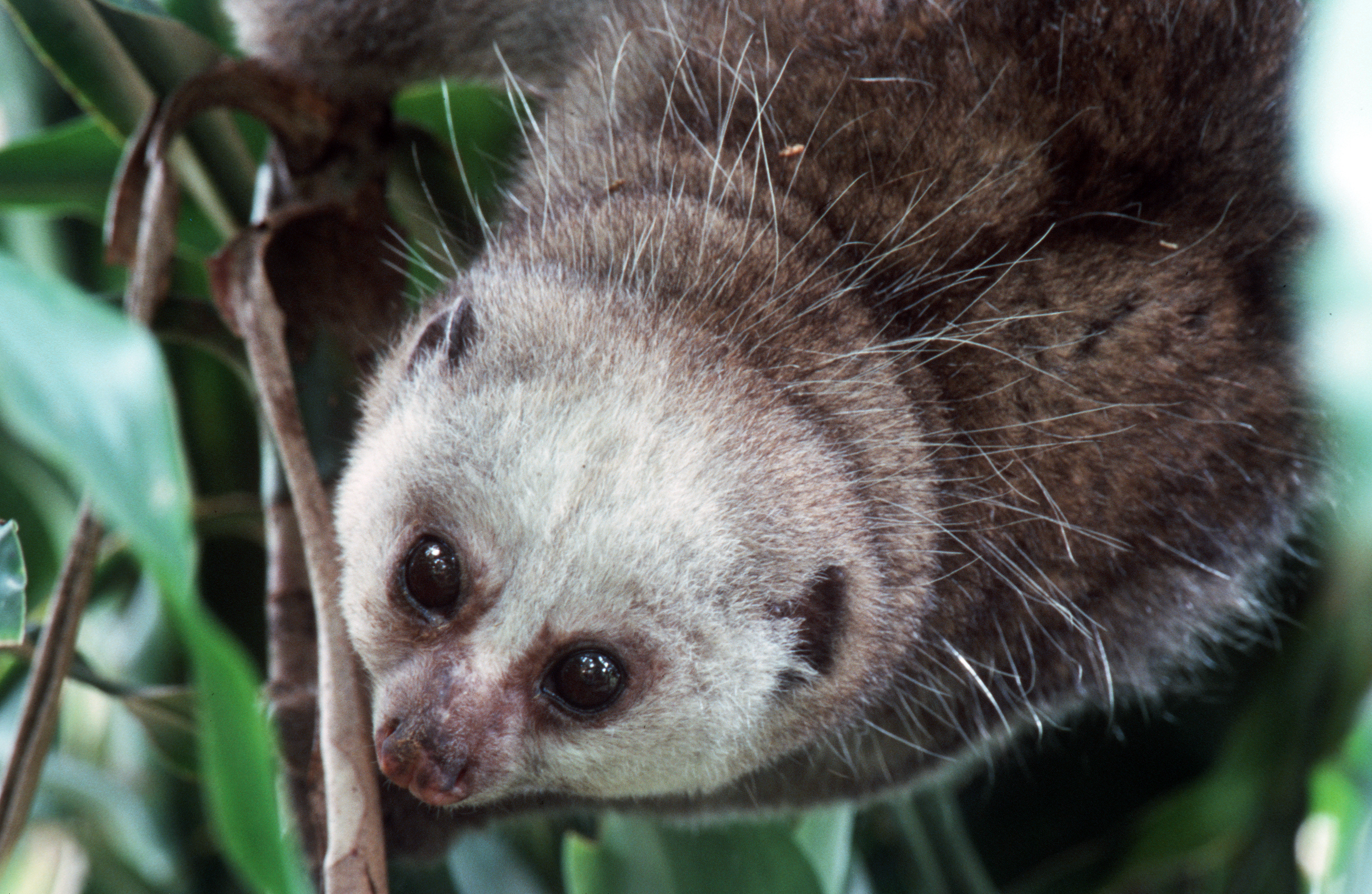
The potto is noted for its exceptional grip strength, which has been emphasized in historical accounts. Although its muscle mass isn’t extensive, the grip strength is notable and may stem from physiological adaptations rather than size alone.
Gibbon
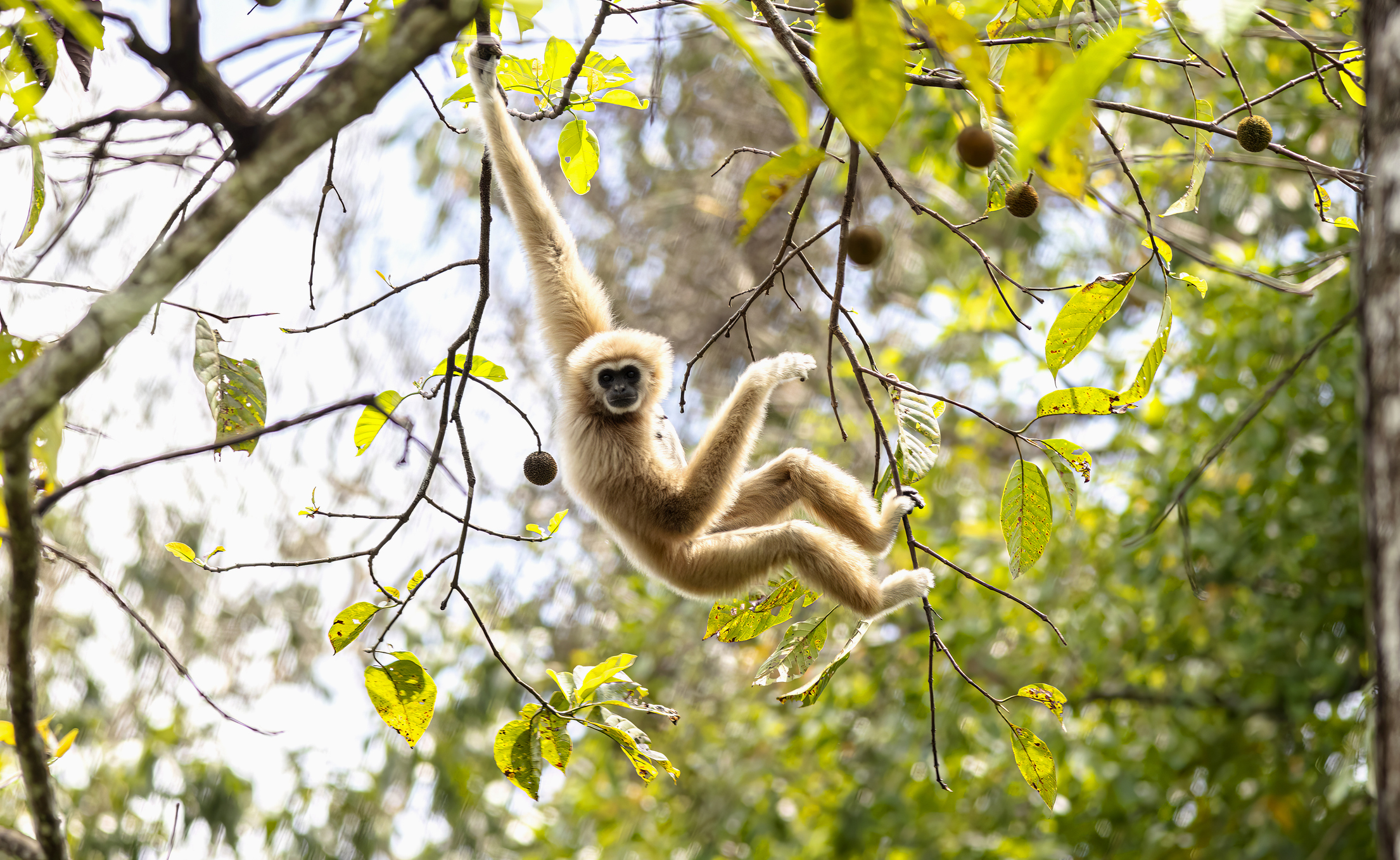
Gibbons exhibit remarkable upper body strength, attributed to their mode of locomotion—swinging through trees (brachiation). Their significant biceps relative to body size are ideal for the rigorous demands of their lifestyle.
Indri
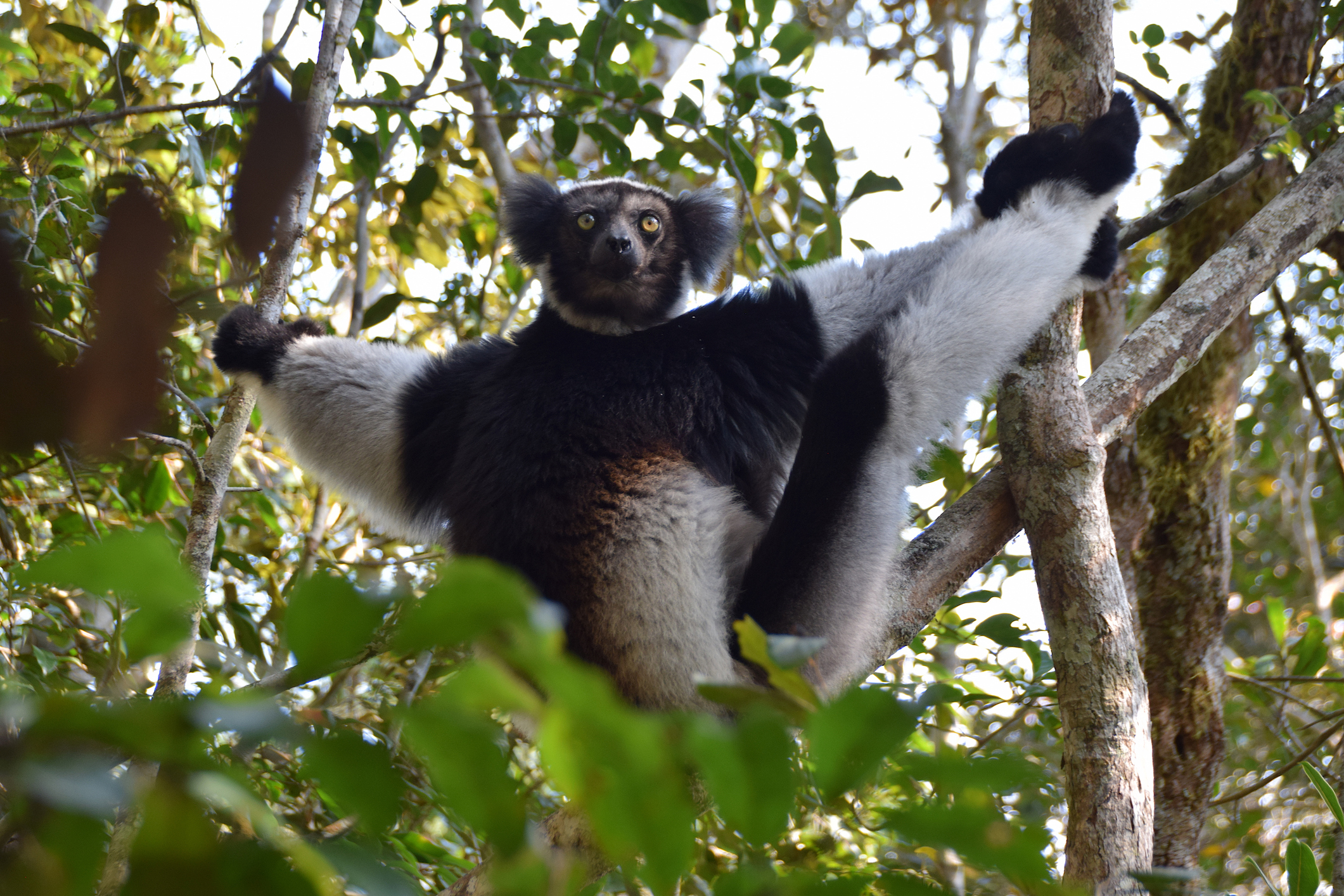
The indri, the largest living lemur, demonstrates outstanding leaping ability, capable of jumping over ten meters in a single bound. This forceful leap necessitates a powerful leg drive, reaching up to eight times its own body weight.
Orangutan
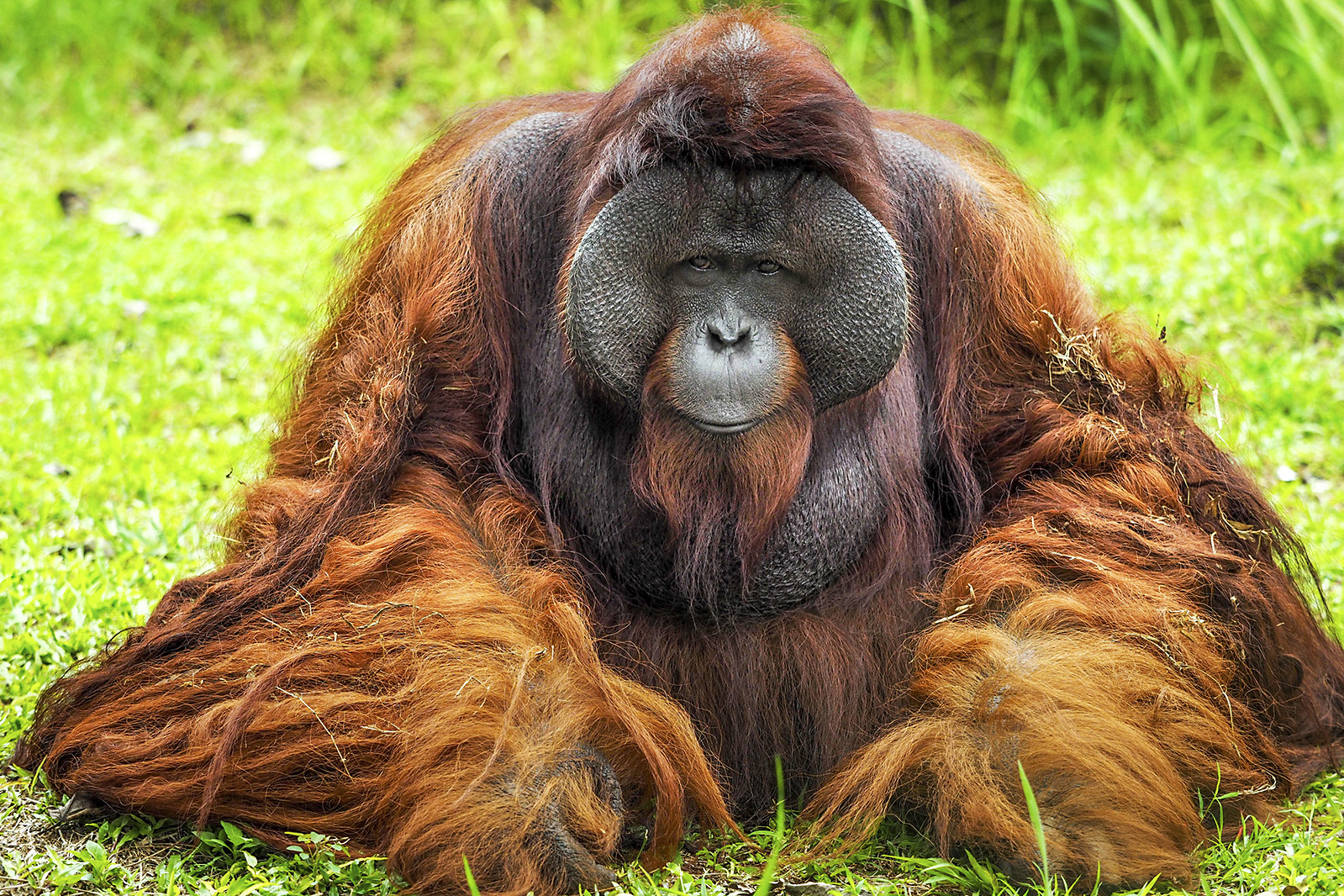
Bornean orangutans, the largest fully arboreal mammals, weigh over 100 kg. Their deliberate movement among the treetops signifies a strength suited for precise navigation rather than sheer acrobatic abilities.
Muriqui
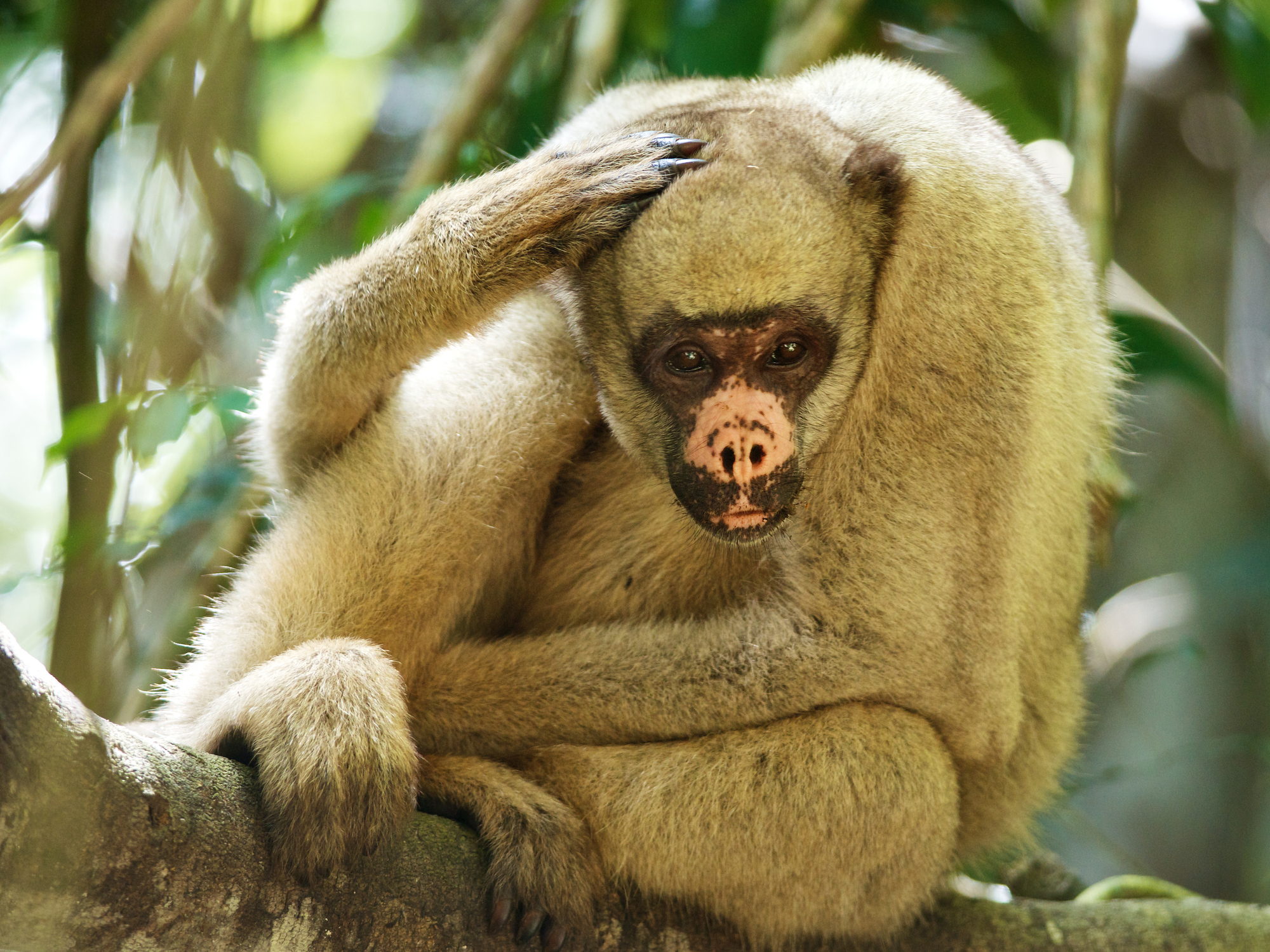
The muriqui stands out among South American monkeys for its prehensile tail, serving efficiently as a fifth limb. This tail not only supports body weight but enhances their mobility and strength in climbing.
Gigantopithecus
Historically, the title for the largest primate goes to Gigantopithecus, an extinct species related to orangutans. Evidence suggests it could have reached a height of 3 meters and weighed up to 300 kg. Its diet likely consisted of durable plant materials, and while direct strength comparisons to modern primates are speculative, it likely had overpowering capabilities.
