


FAA Implements Nationwide Ground Stop Following Technical Issues
On Friday afternoon, the Federal Aviation Administration (FAA) initiated a nationwide ground stop, leading to significant disruptions across the United States’ air travel system. All aircraft were ordered to remain grounded at 3:36 p.m. ET, while approximately 3,500 flights were already in the air.
Immediate Response and Investigation
Within half an hour of the ground stop announcement, President Trump was briefed on the situation. Key agencies, including the FBI, the Department of Homeland Security (DHS), and the Department of Transportation, quickly convened to coordinate their responses and investigate the cause of the disruption.
Transportation Secretary Sean Duffy explained that the ground stop was prompted by “a communication issue impacting all Air Route Traffic Control Centers.” FAA technicians were working diligently to identify the problem at that time.
The White House organized a call involving various governmental agencies to strategize on the response, with White House Chief of Staff Stephen Miller overseeing the discussion. As the investigation progressed, the intelligence community quickly ruled out any potential malicious activity, as no suspicious communications were detected.
Impact on Air Travel
The four-hour disruption resulted in 9,159 flight cancellations and 7,190 delays, according to data from FlightAware. During this period, however, essential medical flights were allowed to proceed as planned.
As officials worked to remedy the issue, they identified the source of the problem after four hours—diagnosing a malfunction caused by a maintenance update at an FAA contractor’s facility. L3Harris Technologies was replacing outdated copper lines with fiber-optic connections when a router began generating excessive connection attempts, which overwhelmed the FAA’s network.
Next Steps and Modernization Efforts
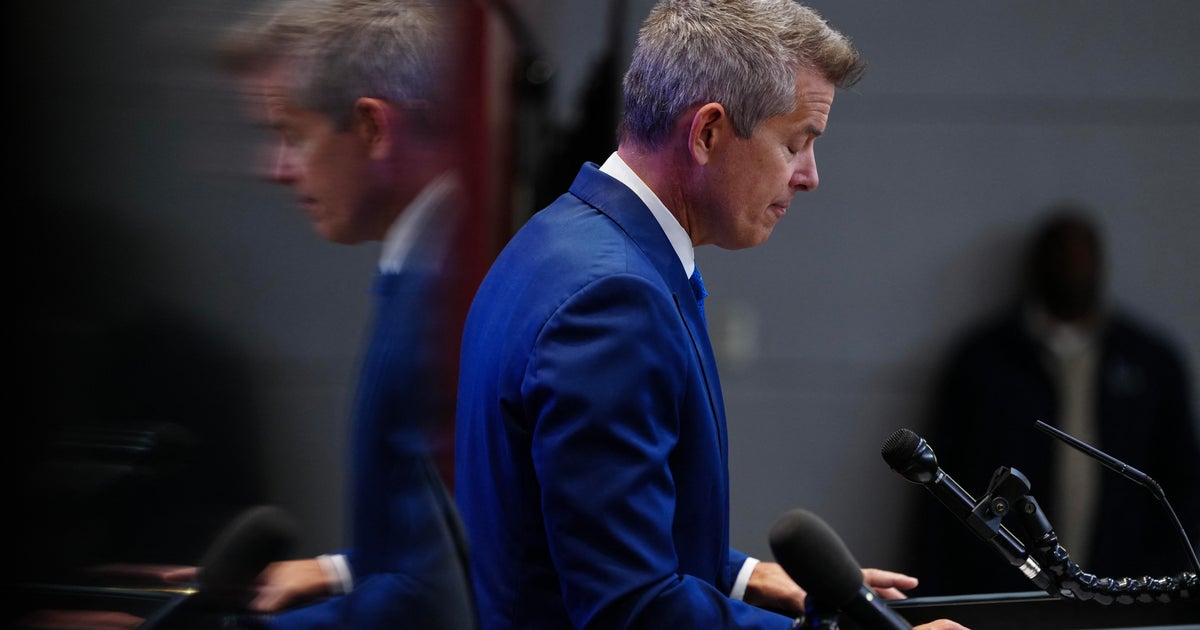
In the aftermath of the incident, Secretary Duffy and Secretary Mullin held a press conference, albeit starting over 30 minutes late due to ongoing efforts to lift the grounding. They discussed the need for further investigation into the incident to prevent a reoccurrence.
Moving forward, President Trump began discussions with congressional leaders about securing additional funding for the FAA to accelerate air traffic controller modernization initiatives. The National Security Council will convene a meeting next week to outline steps for enhancing system reliability as part of ongoing modernization efforts.
The Homeland Security Council, responsible for coordinating national security measures, will play a vital role in driving these discussions forward, ensuring lessons learned from the incident are prioritized in future policy adjustments.
Conclusion
While the FAA’s quick response mitigated what could have been a more severe disruption, questions linger regarding the underlying causes of the system-wide failure. As investigations continue, the focus will remain on enhancing infrastructure and communication systems to ensure the reliability of the air traffic control network in the United States.
