


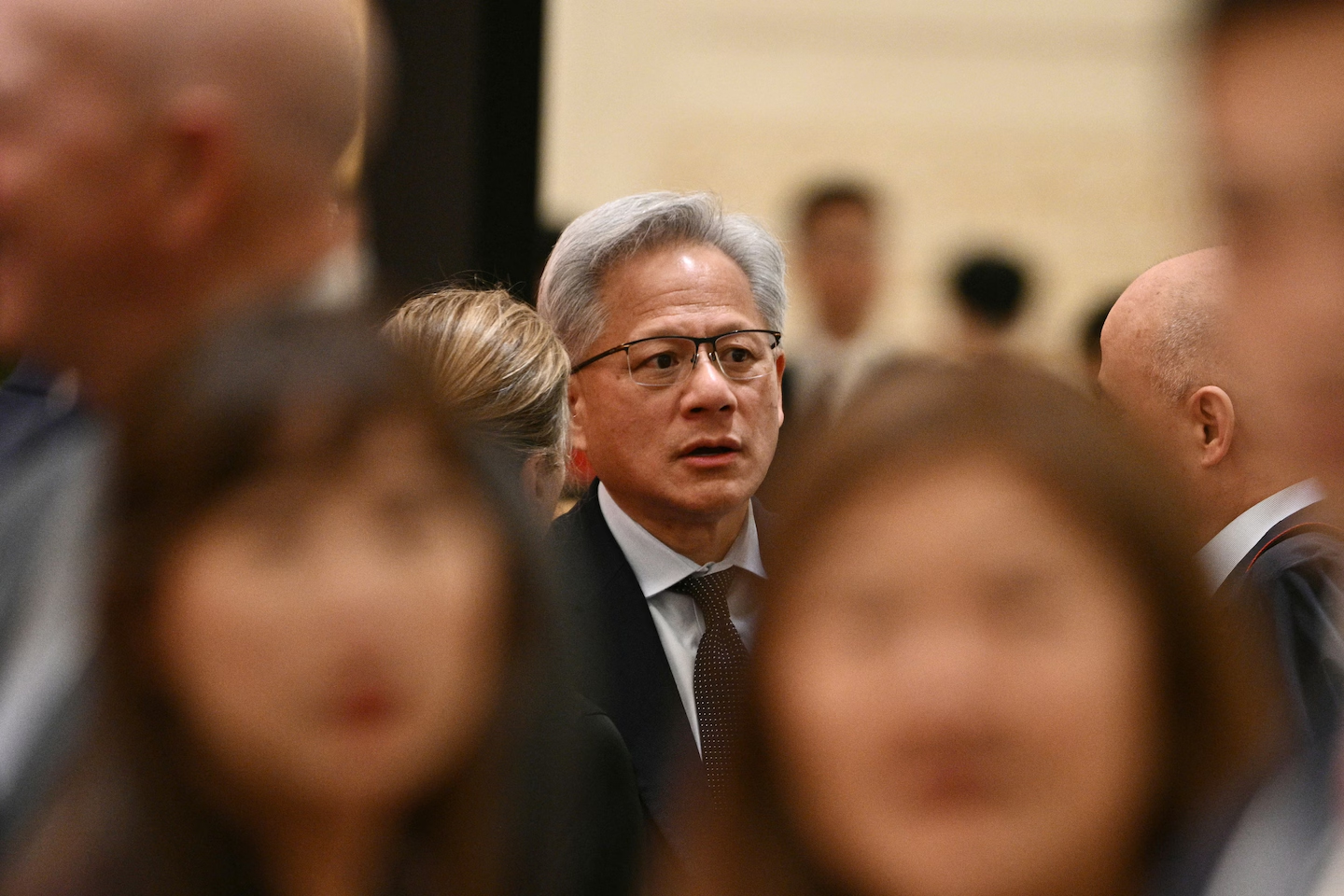
Nvidia’s AI Chip Sales: Jensen Huang’s Controversial Access to Trump
The recent maneuverings of Jensen Huang, the CEO of Nvidia, have drawn significant attention as he obtained noteworthy privileges to communicate with then-President Donald Trump. This relationship played a crucial role in the controversial decision to permit the sale of artificial intelligence (AI) chips to China, a move that has sparked a robust debate among U.S. officials and security experts.
Access and Approval from the Trump Administration
Huang’s direct engagement with President Trump positioned him uniquely within the tech industry, allowing him to advocate for Nvidia’s interests at higher echelons of government than many of his peers. Securing Trump’s endorsement for the export of advanced AI technology to China marked a pivotal moment, indicating a significant shift in how high-stakes technology sales are approached.
National Security Concerns
As discussions around technology exports ramped up, a faction of Washington lawmakers and national security advocates reacted strongly against the potential implications of allowing such powerful technology into Beijing’s hands. Their concerns centered on the risks associated with China acquiring advanced AI capabilities, which they fear could be leveraged in ways contrary to U.S. interests.
The Impact on U.S.-China Tech Relations
This episode highlights the ongoing complexities in U.S.-China technology relations, particularly concerning AI. The debate juxtaposes economic interests against national security threats, with significant implications for future technological collaboration and competition between the two nations.
Conclusion
Jensen Huang’s interactions with Trump symbolize a broader dialogue on technology policy and global security. As the technological landscape continues to evolve, the ramifications of decisions made during this period will likely influence industry practices and international relations for years to come.
