


Denmark’s Supreme Court to Review Racial Discrimination Allegations
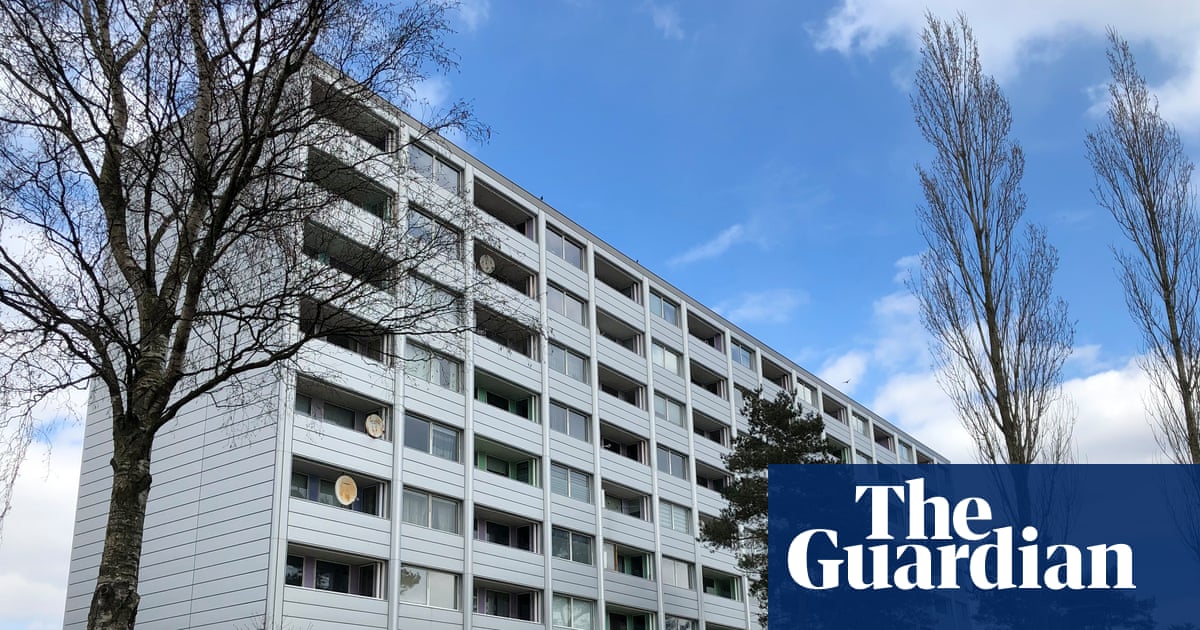
The Supreme Court of Denmark is poised to make a crucial ruling on whether the state’s designation of residents as having a “non-western” background falls under the ambit of racial discrimination law. This case arises as part of an appeal from residents of Nøjsomhed-Sydvej in Helsingør, north of Copenhagen, who were evicted under controversial legislation known as the “ghetto law.”
Background of the Case
Residents of Nøjsomhed-Sydvej are contesting their evictions, arguing that they were targeted to decrease the population of individuals with a “non-western” background and avoid being classified as a “ghetto.” The government contends that this classification is not linked to ethnicity.
This appeal follows repeated failures in lower courts, where residents have sought to challenge the legal framework that has seen many displaced. The country’s administration has since revised its terminology, now labeling affected areas as “parallel societies.”
Implications of Recent Rulings
A recent ruling by the European Court of Justice (ECJ) in December has raised questions about the law’s legality, potentially deeming it unlawful. The law mandates a 40% reduction in not-for-profit housing by 2030, which may involve selling, demolishing properties, or terminating leases for vulnerable tenants.
The legislation focuses heavily on neighborhoods previously categorized as “tough ghettos” (rebranded as “transformation areas”), where over half of the residents are considered to have a “non-western” background. Notably, areas with similar socioeconomic challenges—such as high crime rates or unemployment—do not face these stringent measures.
Criticism from Human Rights Organizations
The policy has drawn widespread condemnation from various human rights organizations, including Amnesty International. A recent report from the European Commission Against Racism and Intolerance criticized the persistent use of the “non-western” label and called for a reevaluation of its application in legal contexts.
The UN Committee on the Elimination of Racial Discrimination has also urged Danish authorities to refrain from using such terms, citing their discriminatory impact on ethnic minorities.
Future Implications for Other Cases
Legal experts believe that the outcome of the Nøjsomhed-Sydvej case, set for hearings on Friday and Monday, will significantly impact the plight of residents challenging the law in Mjølnerparken. This group filed a lawsuit in 2020, arguing that their eviction based on ethnicity was discriminatory. The Nøjsomhed-Sydvej case could lead to a clarification of whether “non-western” backgrounds entail ethnic origin and thus invoke racial discrimination rights.
Susheela Math, head of legal at the NGO Systemic Justice, stated, “If the Supreme Court decides that ‘non-western’ background is linked to ethnic origin and racial discrimination law, that raises huge questions for the Danish state.” This ruling could necessitate a reevaluation of categorization practices used by the government.
Potential Outcomes and Repercussions
If the court rules in favor of the residents, there is a possibility they could return to their homes. However, the situation is more complex for Mjølnerparken residents, as many of their homes have already been sold. The Danish Ministry of Children, Senior Citizens, and Housing has not yet commented on the impending decision.