


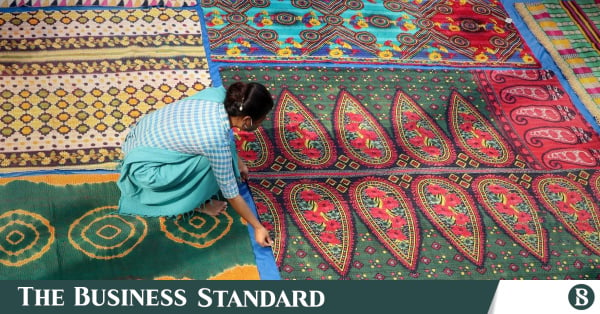
Empowering Women in Bangladesh Through Handmade Crafts
Transforming Lives Through Artisanship
Prokritee has been instrumental in elevating the status of handmade crafts in Bangladesh, providing a sustainable source of income for women from marginalized backgrounds. By connecting local artisans with international markets, the organization not only helps them achieve financial independence but also fosters long-term economic security.
A Rich History of Support
The Mennonite Central Committee (MCC) has played a pivotal role in providing humanitarian assistance worldwide, including in Bangladesh since the aftermath of the 1971 war. Initially focused on relief efforts, MCC recognized the need to create sustainable income sources to address the ongoing poverty faced by many families.
Transitioning from Relief to Livelihoods
Faced with continuous challenges in the distribution of relief, MCC shifted its approach to promote income-generating activities. This involved:
- Sourcing jute from Adamjee Jute Mills to craft tote bags.
- Creating handmade greeting cards using local art supplies.
These products were initially sold internationally through informal channels, leading to the establishment of Self Help Crafts and later its rebranding to Ten Thousand Villages, which facilitated a more structured approach to sales.
Focus on Ethical Trade
MCC aimed to connect with markets that valued ethical business practices and natural, handmade products. This vision was especially prominent in European markets, as businesses prioritized not only the aesthetic quality of products but also their social impact.
The Birth of Prokritee
In 2001, MCC’s efforts transitioned to Prokritee, allowing for a broader focus on sourcing and promoting handmade goods crafted by rural women across Bangladesh. As a social business entity, Prokritee advocates for ethical production and employment generation, aiming to meet the needs of some of the most economically disadvantaged sections of society.
Supporting Vulnerable Groups
“When we were identifying the poorest communities in rural areas, we focused on several particularly vulnerable groups. These included widows, divorced and separated women, as well as women in certain regions whose husbands migrated to cities for work. In many cases, these men were unable to send money home regularly due to time constraints or financial difficulties,” said Swapan Kumar Das, CEO of Prokritee.
Global Expansion and Market Growth
In the years following 2010, Prokritee participated in various international trade fairs, furthering its global reach. The organization offers a diverse range of handmade products, including:
- Bags and purses
- Jewelry and clothing
- Home décor and furniture
- Table linen and crafts made from jute, silk, and recycled materials
By 2010, the organization’s business was valued at approximately $600,000; this figure soared to over $2 million by 2020, despite facing hurdles during the COVID-19 pandemic.
Building an Ethical Business Model
Unlike traditional profit-driven companies, Prokritee’s operational model is centered on ethical practices. This ensures that profits are reinvested into the community rather than distributed among shareholders. The goals include:
- Empowering women with simple production technologies.
- Ensuring fair wages and benefits for workers.
Prokritee also emphasizes creating a safe working environment, addressing concerns regarding women’s social acceptance, and overcoming barriers related to mobility and security.
Support for Artisans and Marginalized Groups
Prokritee recognizes the importance of supporting not just women but also other marginalized groups, including indigenous artisans and previously disadvantaged individuals. The organization implements innovative strategies to ensure workers receive fair wages while maintaining ethical production standards:
- Providing medical services and healthcare options.
- Ensuring savings and provident funds for long-term security.
Women artisans also have the opportunity to take out loans against their savings, enabling them to invest in education, land, or small businesses, ultimately enhancing their financial resilience.
Conclusion
Through its commitment to ethical practices and community development, Prokritee has transformed the lives of countless women in Bangladesh. By enabling them to harness their skills and creativity, Prokritee not only uplifts individual livelihoods but also fosters a broader sense of empowerment and social justice in the region.
