


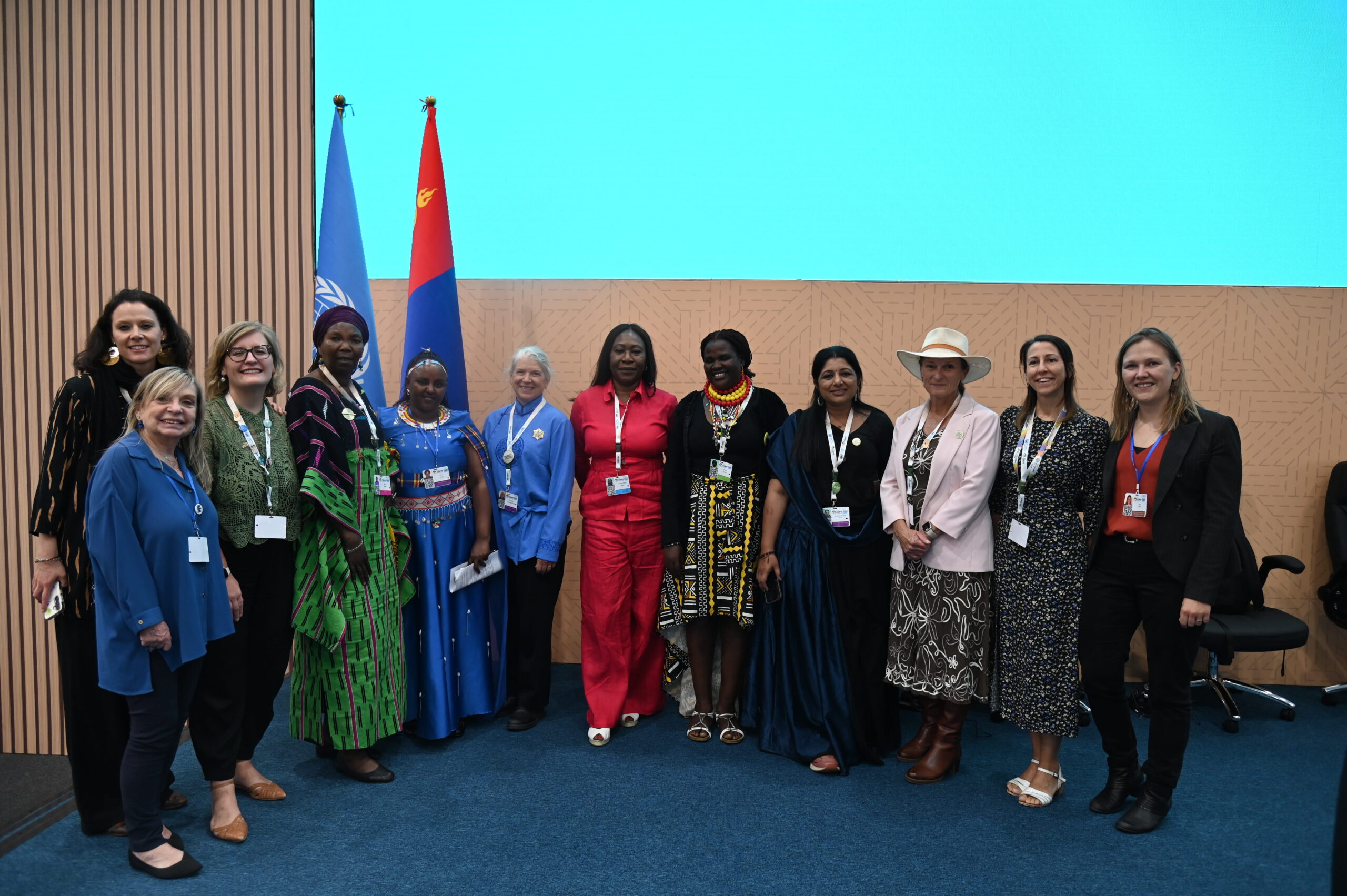
The Role of Women in Pastoralism and Climate Governance
Keitumetse Ketlhoilwe: A Voice for Change
Keitumetse Ketlhoilwe, a director at Yummy Farms and an advocate for youth and women in pastoralism from Botswana, embodies the spirit of a contemporary entrepreneur engaged in both livestock and horticulture. As a member of the WeCaN network, she appreciates the chance to connect with pastoralists and women from various nations, sharing experiences and enhancing knowledge on sustainable rangeland management.
Insights from COP17
Keitumetse’s participation at COP17 provided her with a platform to engage in significant discussions about international policies affecting pastoralist communities. She learned valuable lessons from global counterparts and reflected on how pastoralist women can influence decisions impacting their lives.
However, she expressed a critical concern regarding the transition from discussion to actionable outcomes. “What happens after global discussions conclude?” she questioned, emphasizing the necessity for commitments made at such events to yield meaningful actions at the local level.
Advocating for Accountability and Women’s Recognition
Keitumetse advocates for accountability in participation, insisting that pastoralist communities should not only engage in discussions but also play an integral role in designing, implementing, and reviewing policy frameworks that influence their livelihoods. She argues for the acknowledgment of women’s insights and experiences, advocating that these contributions lead to tangible results.
Empowering Future Generations
Through her initiative at Yummy Farms, Keitumetse is fostering the next generation of leaders by equipping young individuals with essential skills in farming, entrepreneurship, and leadership. Her aim is to disseminate the knowledge gained from her projects to empower more women and young people, thereby enhancing their role in rangeland management and sustainability.
Connecting Global Commitments to Local Action
The experiences of Keitumetse, alongside others like Lucia, Sarah, Alima, and Grace, underscore the necessity of linking international commitments to local accountability. Investing in women’s leadership and expertise is vital in creating resilient dryland ecosystems while facilitating gender-transformative Ecosystem-based Adaptation (EbA).
This project adopts an integrated approach that prioritizes practical training, knowledge documentation, and collaborative exchanges between nations. It also champions the importance of collective advocacy, empowering individual narratives to form a cohesive voice for women in dryland regions.
The Path Forward
As the impacts of climate change become more pronounced, the scaling of EbA will require not just effective technical solutions, but also inclusive governance. Continuous support for those managing and restoring ecosystems is essential for enduring environmental stewardship.
The stories of women like Keitumetse illustrate the potential unlocked when women’s insights are valued and they are empowered to mold the policies affecting their livelihoods and their communities.
About the Global EbA Fund
The Global EbA Fund, implemented by both IUCN and UNEP with assistance from Germany’s International Climate Initiative (IKI), is dedicated to supporting these vital initiatives toward sustainable governance.
