


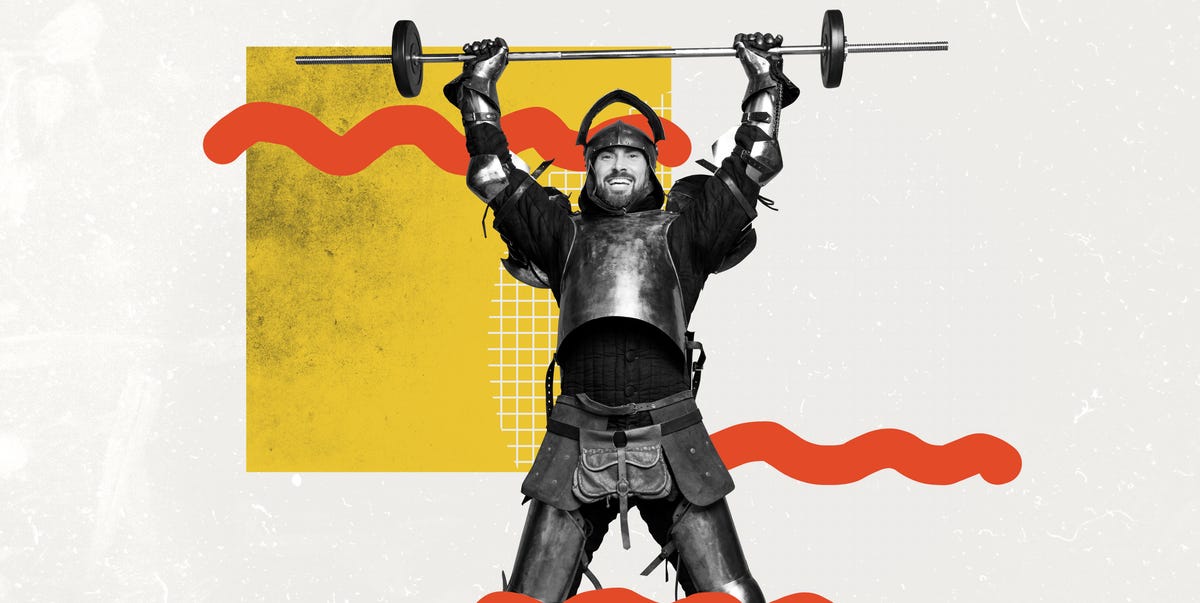
6 Timeless Training Techniques of Medieval Knights
Modern gym-goers often find themselves investing considerable amounts in high-end fitness clubs, yet the foundations of effective training can be traced back to the physical preparation of medieval knights. Burdened with heavy armor and weapons, these warriors required formidable strength and endurance to excel in battle.
Their training regimens incorporated a variety of exercises, from lifting hefty stones to activities such as wrestling, jumping, and climbing. Many of these elements closely mirror contemporary strength and conditioning programs, reinforcing the notion that not all effective training requires modern equipment.
James Pieratt, a historical researcher and ultramarathon runner, has examined six key training methods employed by knights in a recent YouTube presentation, highlighting their relevance to today’s fitness routines. Remarkably, these techniques do not necessitate swords or horses for practice.
1. Plyometric Training
Knights integrated plyometric exercises into their training long before these methods were recognized in modern athletics. Pieratt points out that this form of training involved activities like explosive jumps while wearing full armor. Techniques included:
- Jumps and skips
- Throwing stones
- Performing shot puts
Plyometric exercises today, such as box jumps and medicine ball throws, similarly cultivate explosive power and athletic capacity. Focus on powerful and explosive movements rather than sheer repetition for maximum benefit.
2. Wrestling and Martial Arts
Knights were trained in unarmed combat through a martial art known as “Ringen,” which emphasized grappling techniques, including joint locks and takedowns. This discipline closely resembles modern wrestling and Brazilian jiu-jitsu. Pieratt notes that:
“To modernise Ringen would look almost exactly like a combination of wrestling and jiu-jitsu.”
To incorporate this training today, consider participating in judo or wrestling classes or engaging in exercises that enhance your grip strength and overall body conditioning, such as farmer’s carries.
3. Gymnastics
Agility and coordination were crucial for knights, particularly for maneuvering in armor. They practiced gymnastics-like movements, which included:
- Vaulting over barriers
- Balancing exercises
Pieratt humorously suggests the image of Olympic gymnasts in full armor, but the underlying message is clear: upper body strength and balance remain essential for performance today. Incorporate calisthenics such as pull-ups and dips to develop those skills.
4. Training with Weighted Vests
While weighted vests are a modern training tool, knights were effectively performing bodyweight exercises while encumbered by armor. Elite trainers, like Jim Wendler, advocate for integrating weights into calisthenics, enhancing the strength-building potential of traditional exercises like push-ups and squats.
When progressing in strength training, consider incorporating a weighted vest as an effective strategy to increase resistance and build real-world strength.
5. Strongman Techniques
To achieve great levels of raw strength, knights utilized strongman-style training. They would lift substantial stones and logs through varied techniques such as:
- Deadlifts
- Weighted carries
- Overhead presses
This method fosters not just bulk strength but also stability and grip, necessary for practical applications outside of conventional gym settings. Activities like sandbag lifts and Atlas carries serve as excellent modern alternatives.
6. Wall Running and Climbing
Knights also engaged in wall running, referred to as “Wandlaufen,” showcasing agility and the ability to traverse challenging terrains. This historical practice resembles parkour, emphasizing bodyweight efficiency and strength. Pieratt elaborates:
“Surprisingly, knights did parkour. Back then, it was called wall running.”
Today’s versions can be practiced through obstacle courses, rope climbs, or assisted pull-ups, enhancing lower-body strength and coordination.
Conclusion
The training methods used by medieval knights offer valuable insights into effective physical preparation that persists in modern fitness. By exploring techniques that span centuries, today’s fitness enthusiasts can enhance their training with time-tested practices that require little more than dedication and creativity.
